
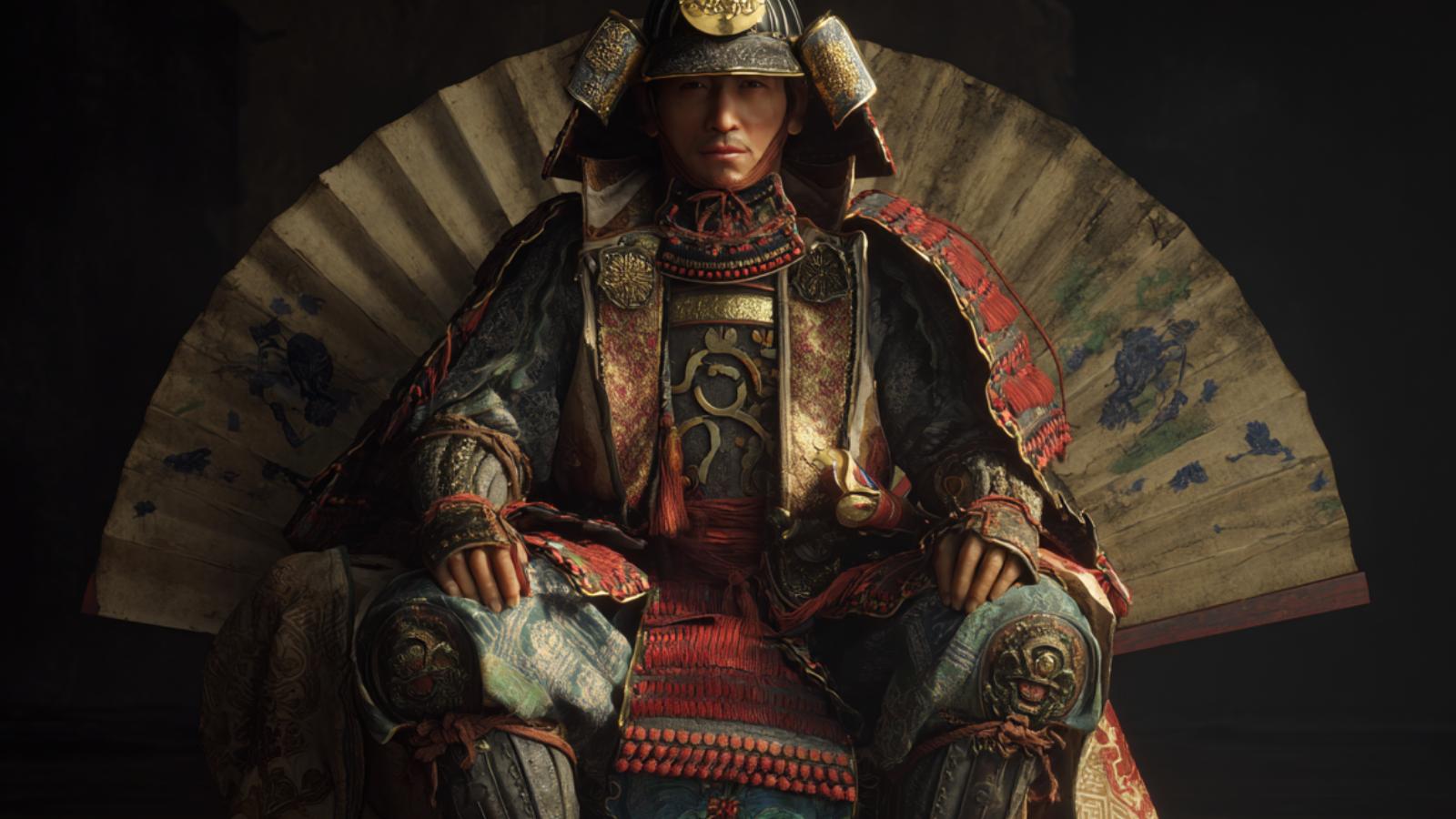
“逆境こそが真の力を試す”
— Adversity is the true test of strength.

| Lead 統率 |
Valor 武勇 |
Intel 知略 |
Pol 政治 |
|---|---|---|---|
| 72 | 68 | 74 | 65 |
| Name (JP) | 土井 利勝 |
|---|---|
| Title | Daimyo |
| Clan / Force | Tōdō Clan |
| Era | 1546 – 1603 |
| Origin | Mutsu |
| Key Battles | |
| Arts | Calligraphy |
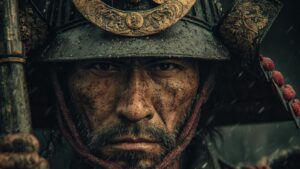
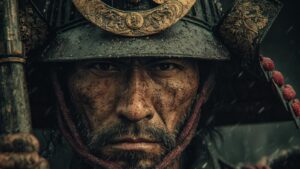
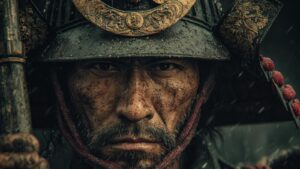
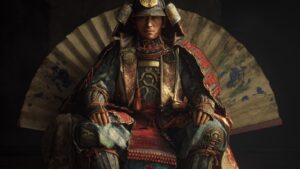
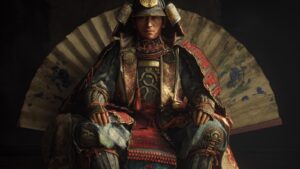
About Doi Toshikatsu
Little is known about his early years, but he was likely trained in the arts of warfare and strategy from a young age, eming the virtues expected of a samurai.
His family was part of the local nobility, which afforded him opportunities to serve under various lords and gain experience in military affairs.
Toshikatsu began to in prominence during the late stages of the Sengoku period, when the various clans were vying for power and control.
He served loyalty to several daimyos, earning a reputation as a capable commander.
His leadership abilities became apparent as he successfully led troops in various skirmishes, displaying not only valor but also an acute sense of battlefield tactics.
His talents garnered the attention of larger daimyos, who sought to ally with him to bolster their own military strength.
Throughout his career, Doi Toshikatsu participated in several key campaigns, notably in skirmishes that shaped the power dynamics in Mutsu.
He was part of the forces opposing rising powers, showcasing his leadership through strategic retreats and bold assaults.
His ability to navigate through the politics of the time allowed him to maintain a stable domain while contributing to larger coalitions.
Despite not becoming one of the most renowned generals of his era, his effectiveness and capacity for loyalty earned him respect among peers.
Doi Toshikatsu passed in 1603, his contributions to the samurai class and the development of Mutsu province lasting long after his death.
While he may not have achieved illustrious fame, his remained one of solid governance and military skill.
Posthumously, he is remembered as a figure who embodied the virtues of loyalty and strategy, serving as an inspiration for those who followed in the tumultuous landscape of feudal Japan.
comment