
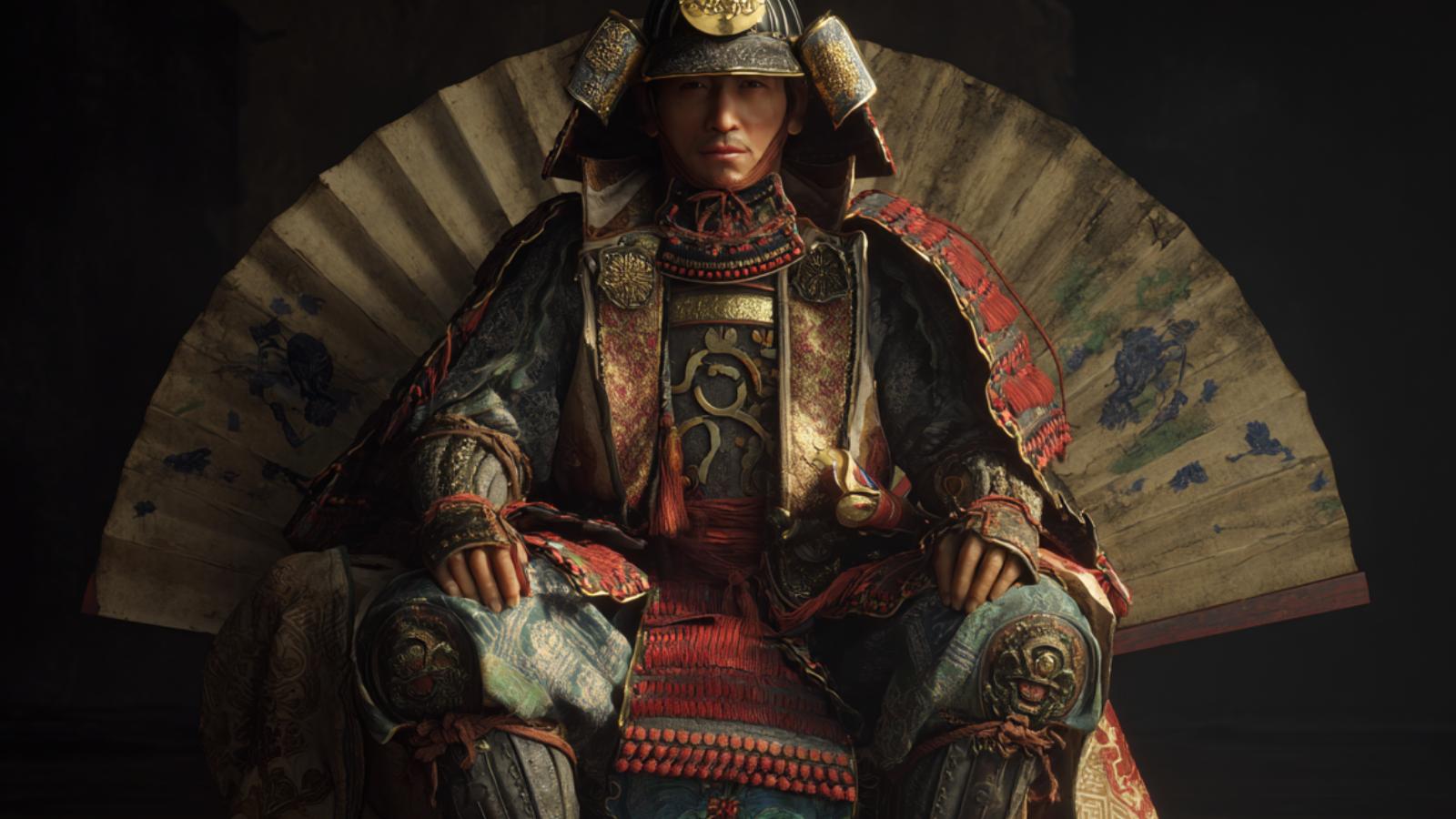
“己を知り、敵を知れば、百戦危うからず。”
— Know yourself and know your enemy, and you will never be in danger in a hundred battles.

| Lead 統率 |
Valor 武勇 |
Intel 知略 |
Pol 政治 |
|---|---|---|---|
| 75 | 70 | 75 | 65 |
| Name (JP) | 伊達 輝宗 |
|---|---|
| Title | Daimyo |
| Clan / Force | Date Clan |
| Era | 1519 – 1578 |
| Origin | Mutsu |
| Key Battles | |
| Arts | Noh Theatre |
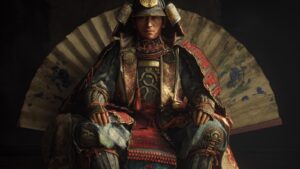
About Date Terumune
He was raised during a period filled with political intrigue and conflict as various clans fought for dominance during the Sengoku period.
From a young age, Terumune was trained in the arts of war and governance, laying the foundations for his future role as a leader.
Terumune ascended to head the Date clan following his fathers death in 1545.
Under his leadership, the Date clan sought to expand its influence across Mutsu.
He formed alliances with neighboring clans and strategically positioned himself against potential threats.
His ability to maneuver through the complex political landscape allowed him to maintain relative stability in a time marked by chaos.
Throughout his tenure as daimyō, Terumune engaged in significant that showcased his tactical acumen.
Despite facing fierce opposition, he managed to secure the Date clans dominance in the region through a blend of military strategy and diplomacy.
His leadership on the battlefield earned him a reputation as a capable general, though he was not as universally renowned as contemporaries like Oda Nobunaga or Tokugawa Ieyasu.
Date Terumunes is a testament to his effective governance and military capability in the face of adversity.
He set the stage for his son, Date Masamune, who would later become one of the most significant figures of the Edo period.
Terumunes contributions have had a lasting impact on the Date clan and the historical narrative of Japan during the late Sengoku period.




comment