
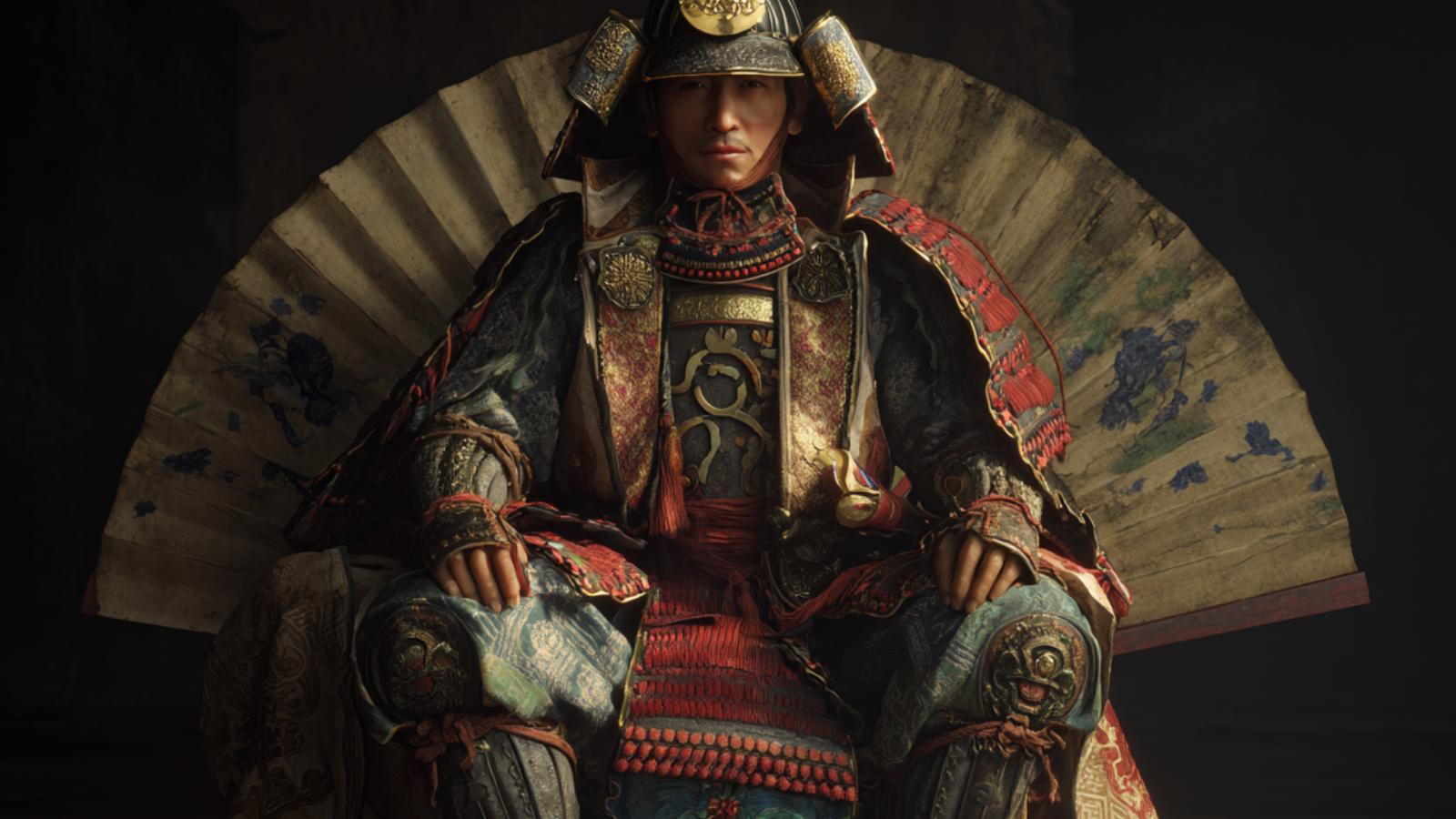
“志あれば道は開ける”
— If there is a will, a way will open.

| Lead 統率 |
Valor 武勇 |
Intel 知略 |
Pol 政治 |
|---|---|---|---|
| 75 | 70 | 80 | 65 |
| Name (JP) | 長宗我部 盛親 |
|---|---|
| Title | Daimyo |
| Clan / Force | Chosokabe Clan |
| Era | 1536 – 1585 |
| Origin | Tosa |
| Key Battles | |
| Arts | Noh Theatre |
About Chosokabe Morichika
He belonged to the Chosokabe clan, a minor but ambitious family that sought to expand its influence during the chaos of the Sengoku period.
With a background as Shugo, a provincial governor, Morichika received military training and developed a strategic mind, preparing him for the challenges of leading his clan.
As Morichika rose to prominence, he began to unite the various factions within Shikoku.
He succeeded his father and worked to strengthen the clans position against rivals, including the powerful Matsura clan.
His decisive leadership during conflicts like the Siege of Kōtō-ji showcased his capability as a military leader and his ability to inspire loyalty among his vassals.
Morichikas astute political maneuvers helped solidify his power within the chaotic landscape of feudal Japan.
Chosokabe Morichika played a significant role in several, making notable strategic advances against opposing forces.
His campaigns against the rival clans in Shikoku not only expanded Chosokabe territory but also established his reputation as a formidable shrewd general.
He employed tactics that emphasized swift cavalry attacks and psychological warfare, enabling his forces to outmaneuver and defeat larger armies.
Though not as celebrated as some of his contemporaries, his military contributions paved the way for the eventual unification of Shikoku under the Chosokabe banner.
Morichikas endures as a key figure in the efforts to bring unity to Shikoku during a tumultuous era in Japanese history.
His descendants would continue to wield power in the region, and his strategies influenced future generations of samurai and leaders.
The Chosokabe clan, under his guidance, significantly shaped the political landscape of Japan in the late 16th century, leaving an indelible mark on the annals of history.









comment