
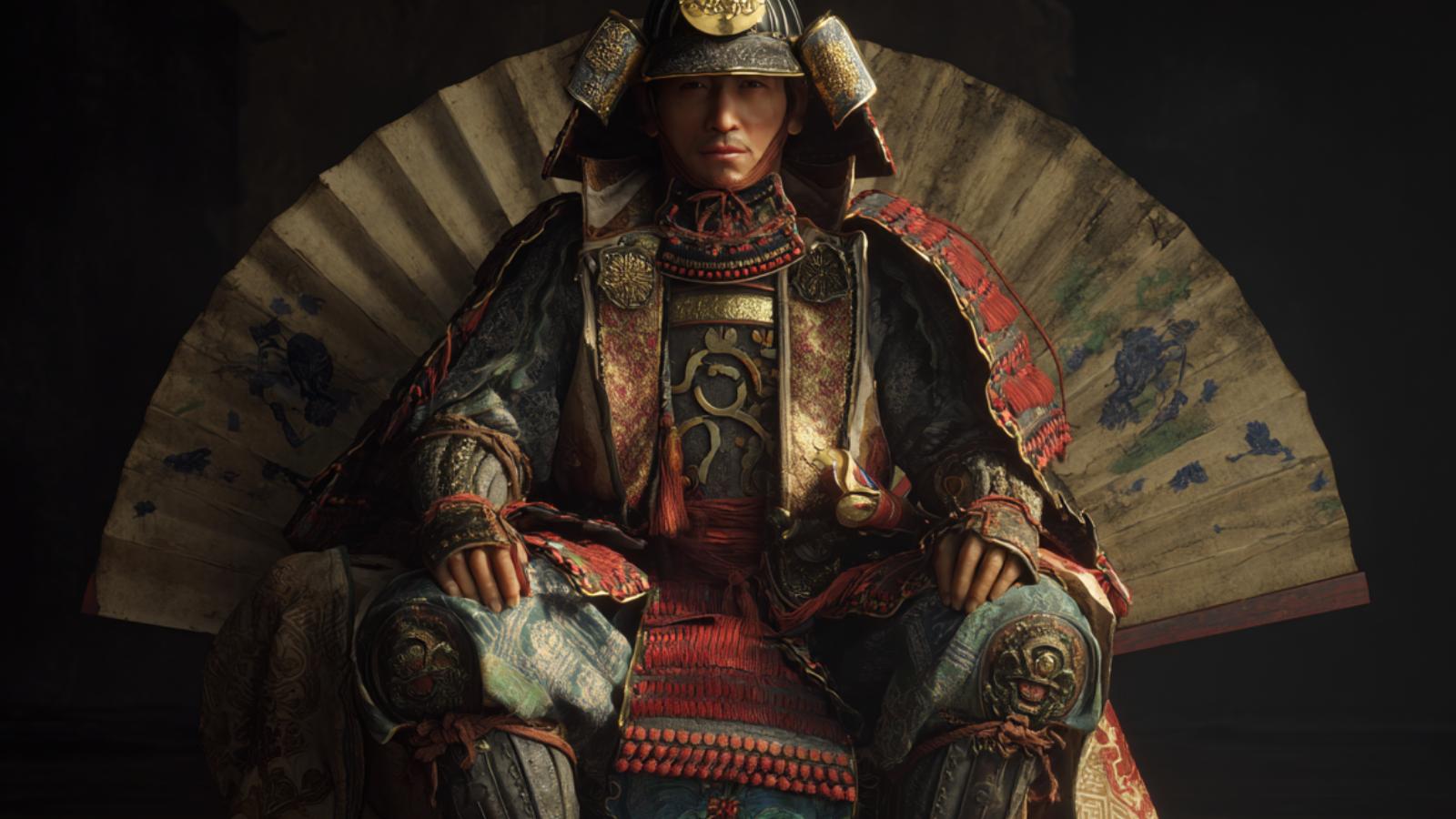
“力に応じて戦うがよい。”
— Fight according to your strength.

| Lead 統率 |
Valor 武勇 |
Intel 知略 |
Pol 政治 |
|---|---|---|---|
| 75 | 70 | 85 | 80 |
| Name (JP) | 長宗我部 国親 |
|---|---|
| Title | Daimyo |
| Clan / Force | Chosokabe Clan |
| Era | 1540 – 1591 |
| Origin | Tosa |
| Key Battles | |
| Arts | Tea Ceremony |
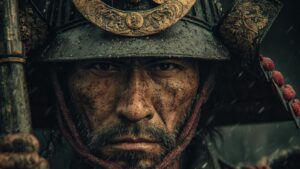
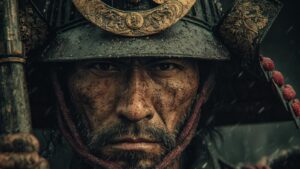
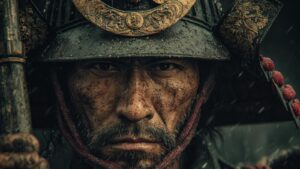
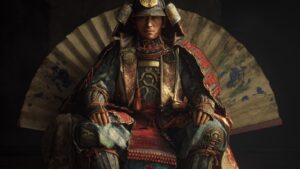
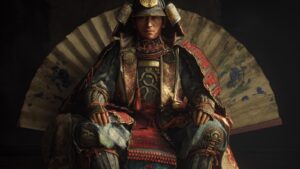
About Chosokabe Kunichika
Growing up amidst the turmoil of the Sengoku period, he was instilled with the values of honor and strategy that defined samurai culture.
His formative years were characterized by training in martial arts, military strategy, and the art of governance., As a young warrior, Kunichika engaged in various that honed his skills as a capable general.
He succeeded his father, Chosokabe Motochika, in 1576, during a crucial time when many daimyo sought to expand their territories.
Through a combination of cunning diplomacy and military prowess, Kunichika worked to consolidate the Chosokabe clan’s power on the island of Shikoku, ultimately leading to significant victories against rival clans such as the Ikko-ikki and the Mori.
His leadership saw Tosa become an influential province, and he became known for his emphasis on uniting the clans rather than unnecessary conflict., Kunichika’s most notable included the Siege of Saito and various skirmishes against the Saika and other clans.
His approach was characterized by the employment of strategic terrain advantages and forming alliances whenever possible.
He was not only a fierce warrior on the battlefield but also excelled in the art of naval warfare, reflecting the significance of maritime power in the Sengoku period.
His reputation as a strategist helped him gain respect and leverage in turbulent political times., Chosokabe Kunichika passed away in 1591, leaving behind a as a skillful and wise leader in the unification of Shikoku.
Despite facing considerable challenges during his reign, his ability to adapt and thrive in a complex era marked him as a significant daimyo.
Today, he is remembered not just for his military achievements but also for his contributions to culture and governance in the region, influencing generations of samurai and politicians who followed in his footsteps.
comment