
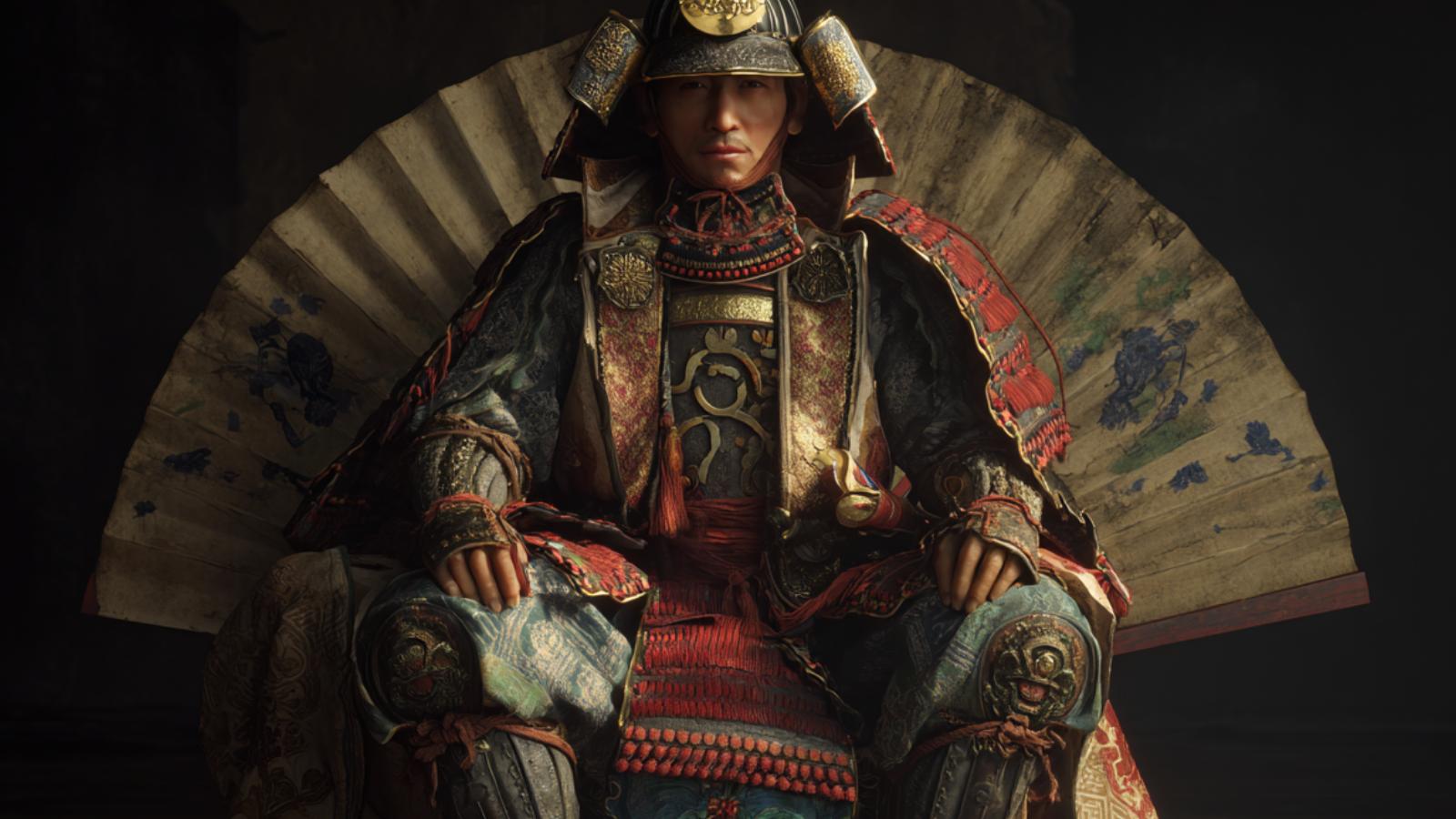
“我が道を行く”
— I walk my own path

| Lead 統率 |
Valor 武勇 |
Intel 知略 |
Pol 政治 |
|---|---|---|---|
| 70 | 60 | 75 | 65 |
| Name (JP) | 戸次 鑑連 |
|---|---|
| Title | Daimyo |
| Clan / Force | Uesugi Clan |
| Era | 1550 – 1587 |
| Origin | Iyo |
| Key Battles | |
| Arts | Noh Theatre |
About Bekki Akitsura
From a young age, he was trained in the arts of war and strategy, showing a keen interest in governance and politics, which would shape his future as a leader.
As Akitsura matured, he aligned himself with the influential clans during the tumultuous Sengoku period.
His ability to navigate the complex web of alliances and conflicts earned him respect among his peers.
By his late twenties, he had achieved the of Daimyo, leading his clan in various regional skirmishes and establishing himself as a capable leader.
He was recognized for his fair governance and his dedication to the welfare of his subjects, which endeared him to the people.
Akitsura participated in several, showcasing his strategic acumen.
While not as famous as some of his contemporaries, his decisions in battle proved critical during key conflicts, particularly against rival clans vying for power in Shikoku.
His valor and skill were notable, although he preferred to rely on strategy over personal combat, which reflected in his reputation.
Following his death in 1587, Bekki Akitsura left behind a of competent leadership and loyalty to his clan.
Today, he is remembered for his contributions to the military strategies that shaped the region, as well as his patronage of cultural arts like Noh Theatre.
His quote, I walk my own path, captures his spirit as a leader who valued independence and integrity in tumultuous times.









comment