
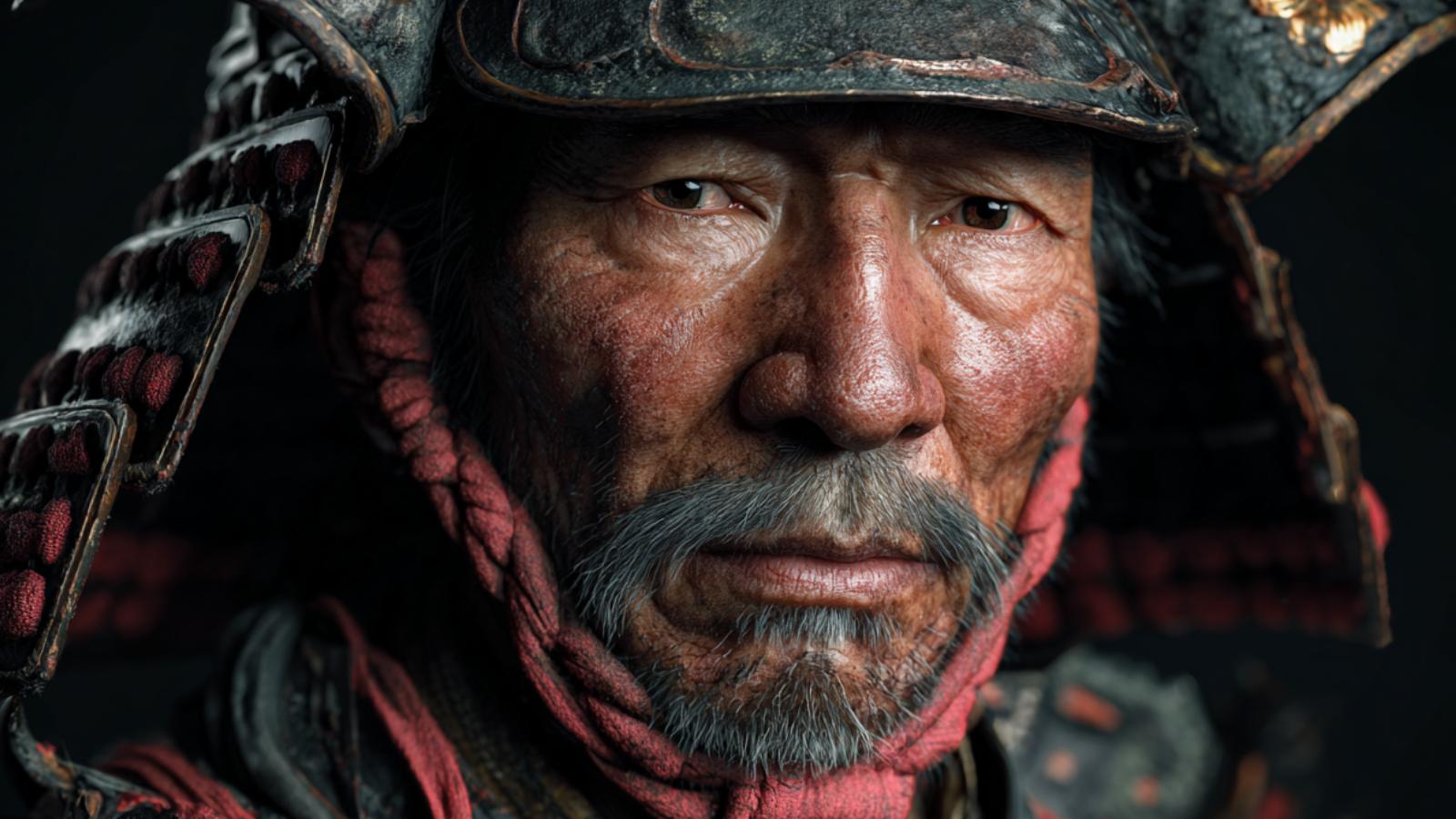
“武士は死を恐れず、名を残すことを重んじる。”
— A warrior fears not death, but values the legacy he leaves behind.

| Lead 統率 |
Valor 武勇 |
Intel 知略 |
Pol 政治 |
|---|---|---|---|
| 75 | 70 | 65 | 60 |
| Name (JP) | 馬場 信春 |
|---|---|
| Title | Daimyo |
| Clan / Force | Takeda Clan |
| Era | 1557 – 1638 |
| Origin | Kōzuke |
| Key Battles | |
| Arts | Martial Arts |
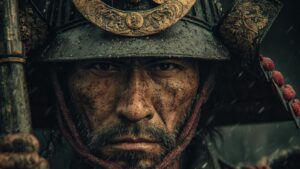
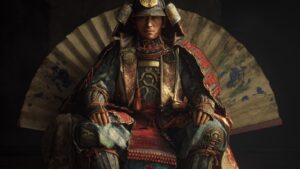
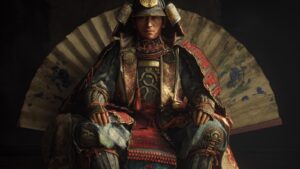
About Baba Nobuharu
From a young age, he was trained in the ways of the sword and the tactics of war.
Growing up in a tumultuous time, Nobuharu was influenced by the constant conflicts that defined the Sengoku period, which shaped his character and ambitions.
Nobuharus in the ranks came through his fierce loyalty to his lord, with whom he fought in numerous engagements.
His bravery and keen understanding of battlefield tactics earned him recognition among his peers, leading to his eventual appointment as a daimyo.
By demonstrating both strategic insight and valor, he solidified his reputation, ensuring his family’s prominence amidst the power struggles of neighboring clans.
Throughout his life, Nobuharu took part in several key that defined the era.
He is particularly noted for his role in the famous Siege of Yokohama where his tactical maneuvers helped secure a decisive victory for his forces.
His valor on the battlefield inspired many soldiers, and his strategic decisions bolstered his lords campaigns, greatly impacting the overall power dynamics of the time.
Baba Nobuharu passed away in 1638, leaving behind a celebrated among the samurai of his time.
His commitment to his lord and his prowess in battle became a blueprint for loyalty and skill for future generations.
Today, he is remembered not only as a skilled warrior but also as a key figure during one of Japan’s most transformative periods, the Sengoku era.
His life story continues to inspire those who study the art of war and honor in Japanese history.
comment