
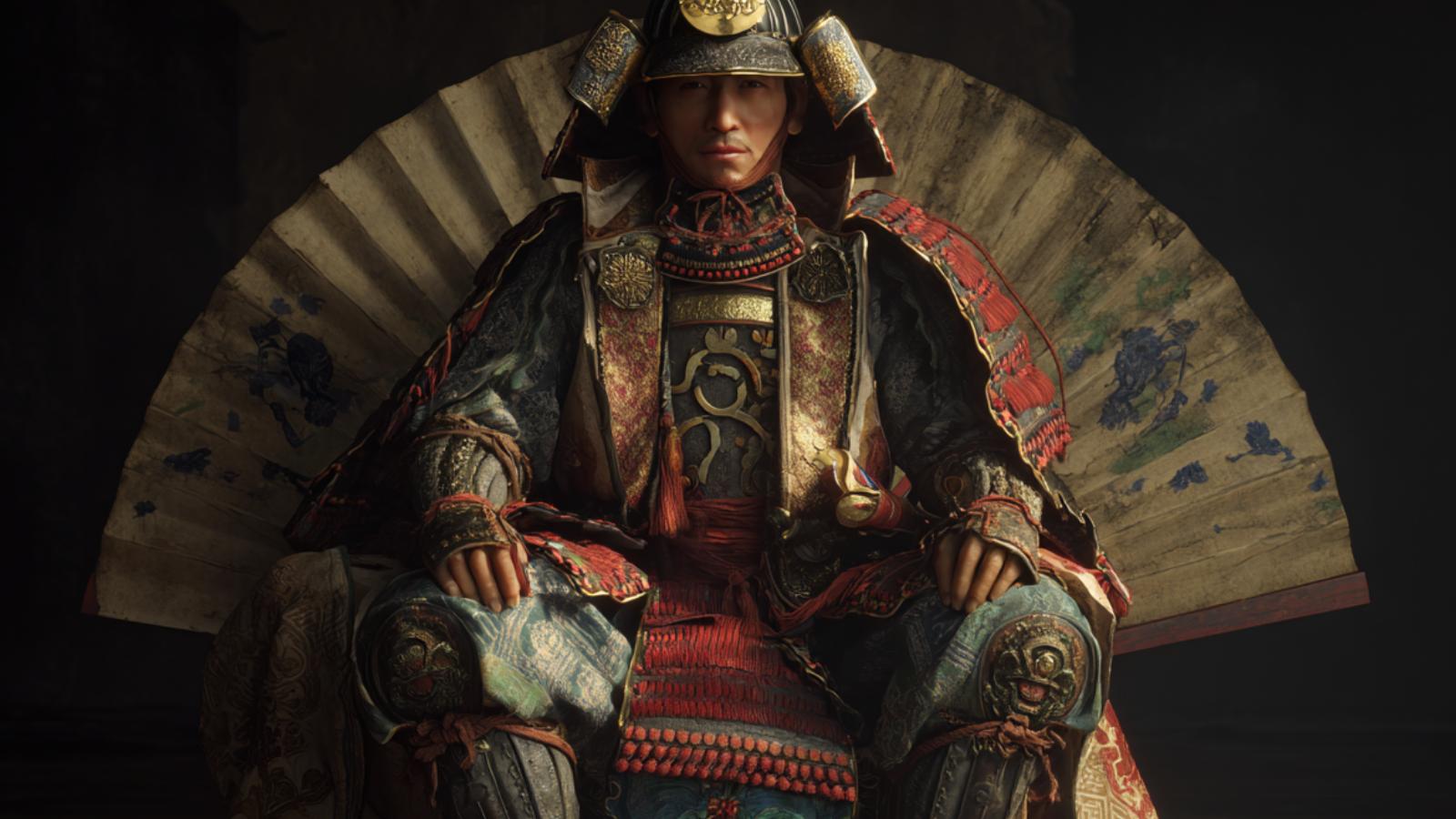
“勝利のためには、行動が必要だ。”
— To achieve victory, action is necessary.

| Lead 統率 |
Valor 武勇 |
Intel 知略 |
Pol 政治 |
|---|---|---|---|
| 77 | 68 | 83 | 72 |
| Name (JP) | 跡部 勝資 |
|---|---|
| Title | Daimyo |
| Clan / Force | Unknown |
| Era | 1535 – 1582 |
| Origin | Mutsu |
| Key Battles | |
| Arts | Calligraphy |
About Atobe Katsusuke
His lineage as a shugo allowed him the opportunity to learn martial arts and strategy from a young age.
With a keen mind and early exposure to the turmoil of the Sengoku period, he developed an understanding of warfare that would later define his career.
Katsusuke emerged as a capable leader during the power struggles of the late 16th century.
His ability to forge alliances and negotiate with other daimyo positioned him as a respected player in the regional politics of Mutsu.
By tactically managing his lands and resources, he expanded his influence, gaining recognition for his efforts in unifying smaller clans in the region under his banner.
His military engagements, while not numerous, showcased his strategic acumen.
Katsusuke participated in several key during the Sengoku period, where he demonstrated his ability to command troops effectively.
Although he was not the most valiant warrior on the battlefield, his tactical decisions often turned the tides in favor of his forces.
His most notable confrontation was during the Battle of Mutsu, where he successfully defended his territory against rival daimyo who sought to encroach on his lands.
Despite not being among the most famous figures of his time, Atobe Katsusuke left a lasting within Mutsu province.
His ability to govern and create a stable environment during a time of chaos helped shape the future of his region.
He is remembered not just for his military strategies, but also for his contributions to culture, especially in calligraphy, showcasing the multifaceted nature of samurai beyond mere combat prowess.
Katsusuke’s life embodies the struggles and complexities of samurai during the Sengoku period, positioning him as a capable general whose honor and dedication to his province marked a significant era in Japanese history.







comment