
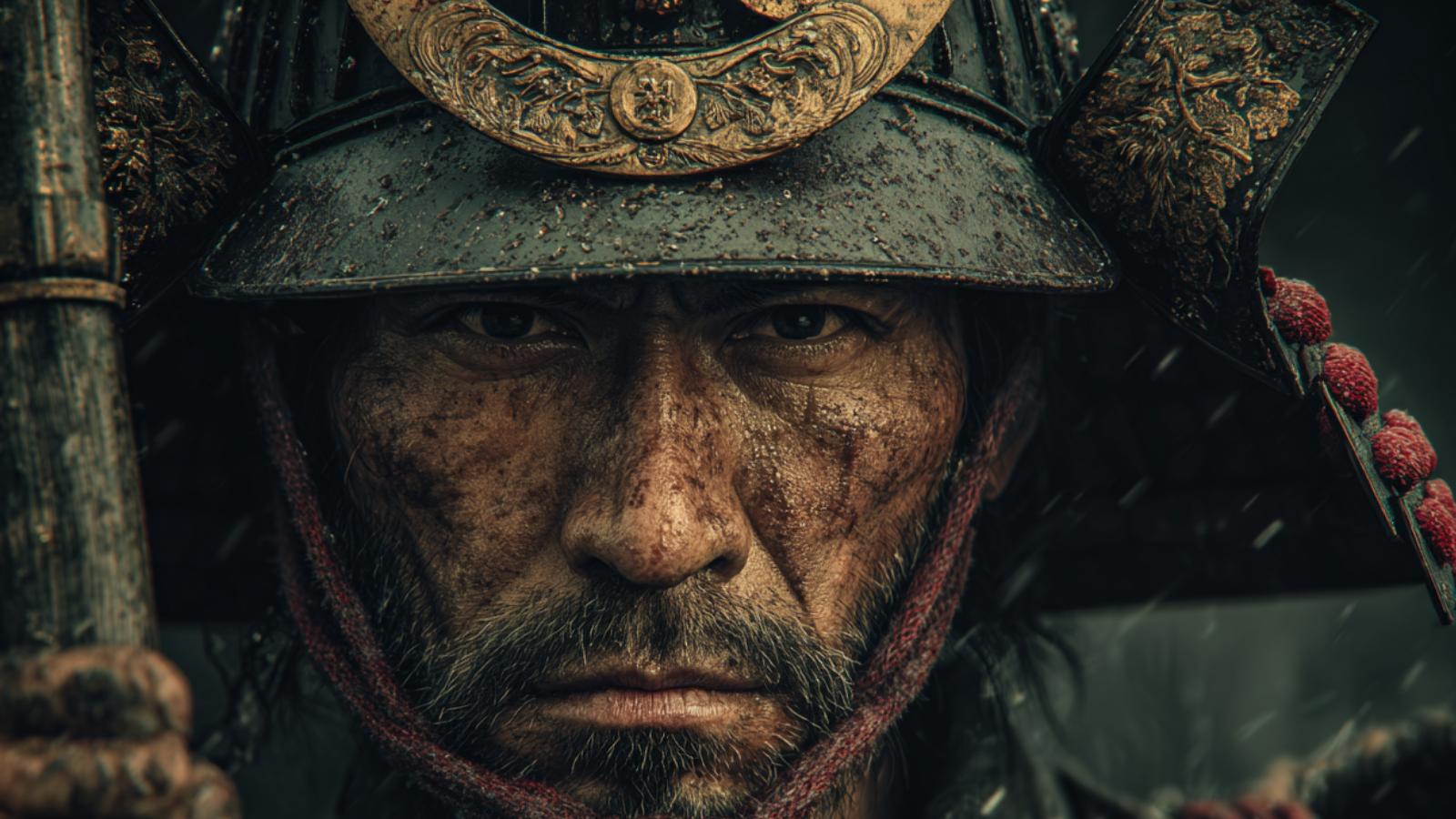
“和と調和が我が心に根付く”
— Harmony and peace reside in my heart.

| Lead 統率 |
Valor 武勇 |
Intel 知略 |
Pol 政治 |
|---|---|---|---|
| 65 | 40 | 75 | 80 |
| Name (JP) | 足利 義政 |
|---|---|
| Title | Shōgun |
| Clan / Force | Ashikaga Clan |
| Era | 1436 – 1490 |
| Origin | Kyoto |
| Key Battles | |
| Arts | Noh Theater |
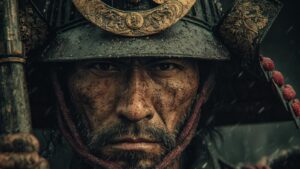
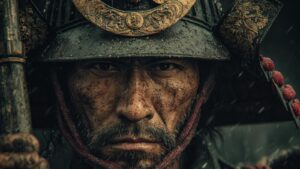
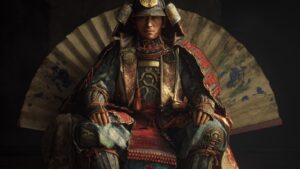
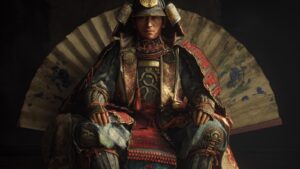
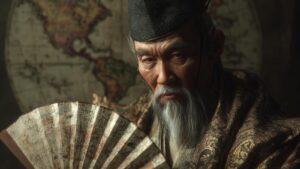
About Ashikaga Yoshimasa
From an early age, he was surrounded by feudal conflicts and the political intrigues of the Muromachi period.
His upbringing as a member of the Ashikaga clan exposed him to the importance of governance, military affairs, and the arts, shaping his future decisions as a leader.
Yoshimasa ascended to the position of shōgun in 1449 at a very young age, following the death of his father.
His reign was marked by a turbulent political landscape, dominated by power struggles between various factions within the country.
Attempting to navigate these challenges, Yoshimasa often found himself in a passive role, relying heavily on his advisors to manage the affairs of state.
Despite his limitations in leadership effectiveness, he was able to usher in an era that celebrated culture and artistry.
While Yoshimasas military prowess was not highly regarded, his tenure saw significant conflicts, most notably the Onin War (1467-1477), which led to the downfall of the Muromachi shogunates influence in Japan.
Although not a direct participant in many, Yoshimasas leadership during this time was often criticized for its indecision and inability to bring peace to a warring nation.
Nonetheless, his contributions to the arts and culture during this chaotic period were significant, giving to new developments in Noh theater and the tea ceremony.
Despite his mixed as a shōgun, Ashikaga Yoshimasa left an indelible mark on Japanese culture.
His patronage of arts led to flourishing cultural developments that defined the era, influencing generations to come.
While his rule was marked by strife and instability, Yoshimasa is remembered as a figure who valued the importance of culture amidst chaos, eming the intricate balance between governance and artistry within the feudal system of Japan.

comment