
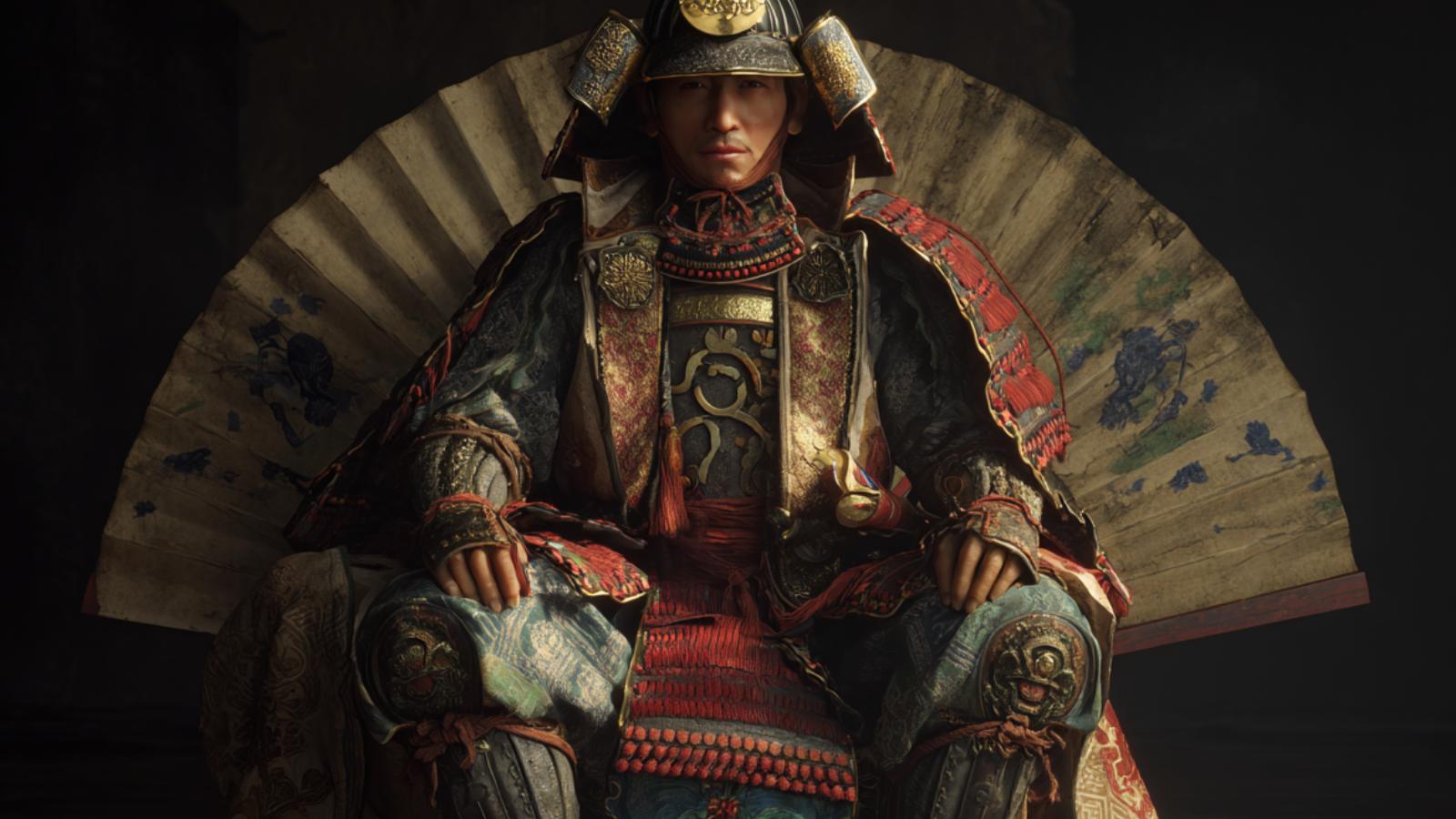
“戦略は勝利の道、勇気はその道を照らす。”
— Strategy is the path to victory, and courage lights the way.

| Lead 統率 |
Valor 武勇 |
Intel 知略 |
Pol 政治 |
|---|---|---|---|
| 75 | 70 | 80 | 85 |
| Name (JP) | 足利 晴氏 |
|---|---|
| Title | Daimyo |
| Clan / Force | Ashikaga Clan |
| Era | 1330 – 1384 |
| Origin | Mutsu |
| Key Battles | |
| Arts | Noh Theatre |
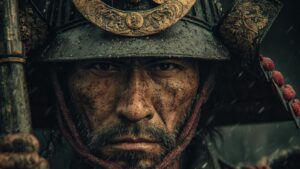
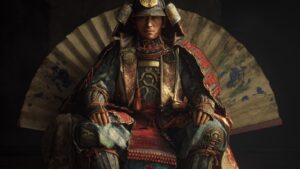
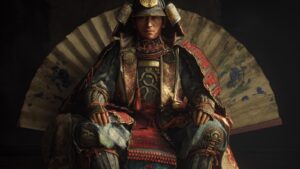
About Ashikaga Haruuji
Growing up in the province of Mutsu, he was groomed for leadership from a young age, learning the art of war and governance from his predecessors.
His fathers position as a shugo (military governor) provided him with a strong foundation in the complexities of military strategy and administrative skills.
As he matured, Haruuji took an active role in regional politics, navigating the turbulent power struggles that characterized the era.
He quickly gained a reputation for his tactical acumen and negotiation skills, facilitating alliances that bolstered his familys power.
By the late 1350s, he had firmly established himself as a capable daimyo, leveraging his connections to expand the Ashikaga influence throughout Mutsu and neighboring provinces.
Haruujis military pursuits involved various skirmishes and conflicts, particularly against rival clans vying for control over the Kanto region.
His leadership in showcased his ability to coordinate forces and exploit enemy weaknesses effectively.
Known for participating in major campaigns against the Takeda and the Uesugi clans, his valor on the battlefield earned him the respect of both allies and foes alike.
He often implemented unconventional tactics that caught his opponents off guard, further solidifying his reputation as a strategic genius.
Ashikaga Haruujis is marked by his contributions to the Ashikaga clans dominance during the Muromachi period.
His proficiency in politics and warfare laid the groundwork for future generations of samurai and daimyo.
His belief in the warriors way, encapsulated in his famous quote A warrior fears not death, continues to inspire the principles of bushido.
Haruujis life reflects the intricate tapestry of loyalty, strategy, and the cultural heritage of Noh theatre, making him a significant historical figure in the annals of Japanese history.
comment