
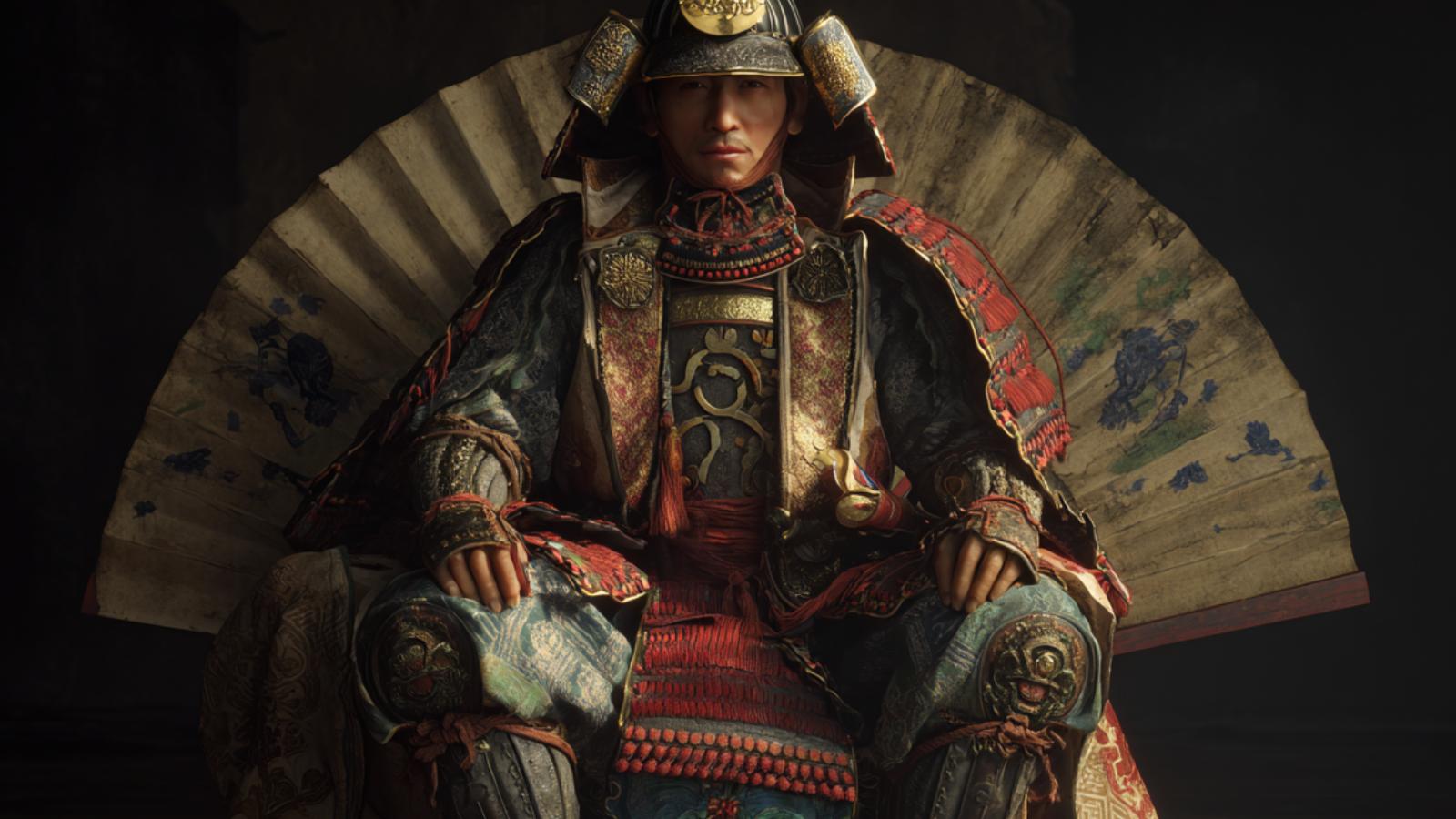
“武士の誇りは命より重し。”
— A samurai’s pride is heavier than his life.

| Lead 統率 |
Valor 武勇 |
Intel 知略 |
Pol 政治 |
|---|---|---|---|
| 75 | 70 | 65 | 60 |
| Name (JP) | 浅野 長矩 |
|---|---|
| Title | Daimyo |
| Clan / Force | Asano Clan |
| Era | 1660 – 1701 |
| Origin | Mikawa |
| Key Battles | |
| Arts | Tea Ceremony |
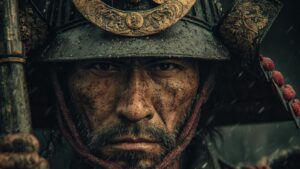
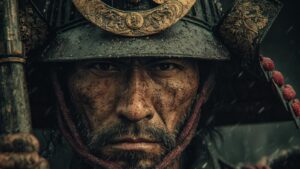
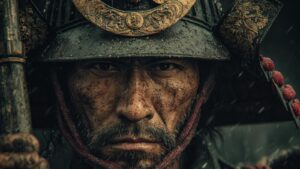
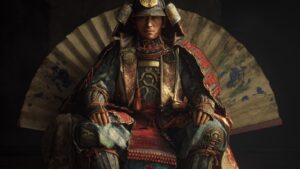
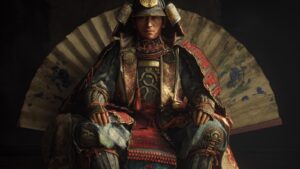
About Asano Naganori
Growing up steeped in the traditions of the samurai class, he was educated in the arts of warfare and the principles of bushido.
He was the son of Asano Naganao and became the head of the Asano clan at a young age after the death of his father.
His upbringing emphasized loyalty, valiance, and adherence to the samurai code, shaping his identity and future actions.
Naganori became the lord of the Ako Domain after inheriting the from his father.
He was known to be an honorable man and focused on the welfare of his domain, making efforts to improve agricultural output and craft skills.
However, his tenure was marred by conflicts with Kira Yoshinaka, a samurai in the employ of the Tokugawa shogunate.
Their relationship soured, culminating in a critical incident that would lead to lasting consequences for him and his retainers.
In 1701, Naganori was faced with provocation from Kira Yoshinaka during a ceremony in Edo.
In a moment of uncontrolled rage, he drew his sword and attacked Kira, injuring him.
This rash act led to Naganoris arrest, and he was ordered to commit seppuku, taking his own life.
His loyal retainers, devastated by their lords fate, would go on to avenge him in one of the most famous acts of loyalty in samurai history, leading to the 47 Ronin incident.
This act elevated Naganoris posthumous fame as a martyr of bushido, symbolizing the ultimate sacrifice a samurai could make for honor and loyalty.
Asano Naganoris endures in Japanese culture, epitomizing the samurai spirit.
His actions not only triggered the infamous 47 Ronin story but also illustrated the complexities of honor in samurai culture.
Over the years, he has been immortalized in various forms of art, literature, and theater, making him a central figure in discussions of loyalty and sacrifice in the samurai ethos.
comment