
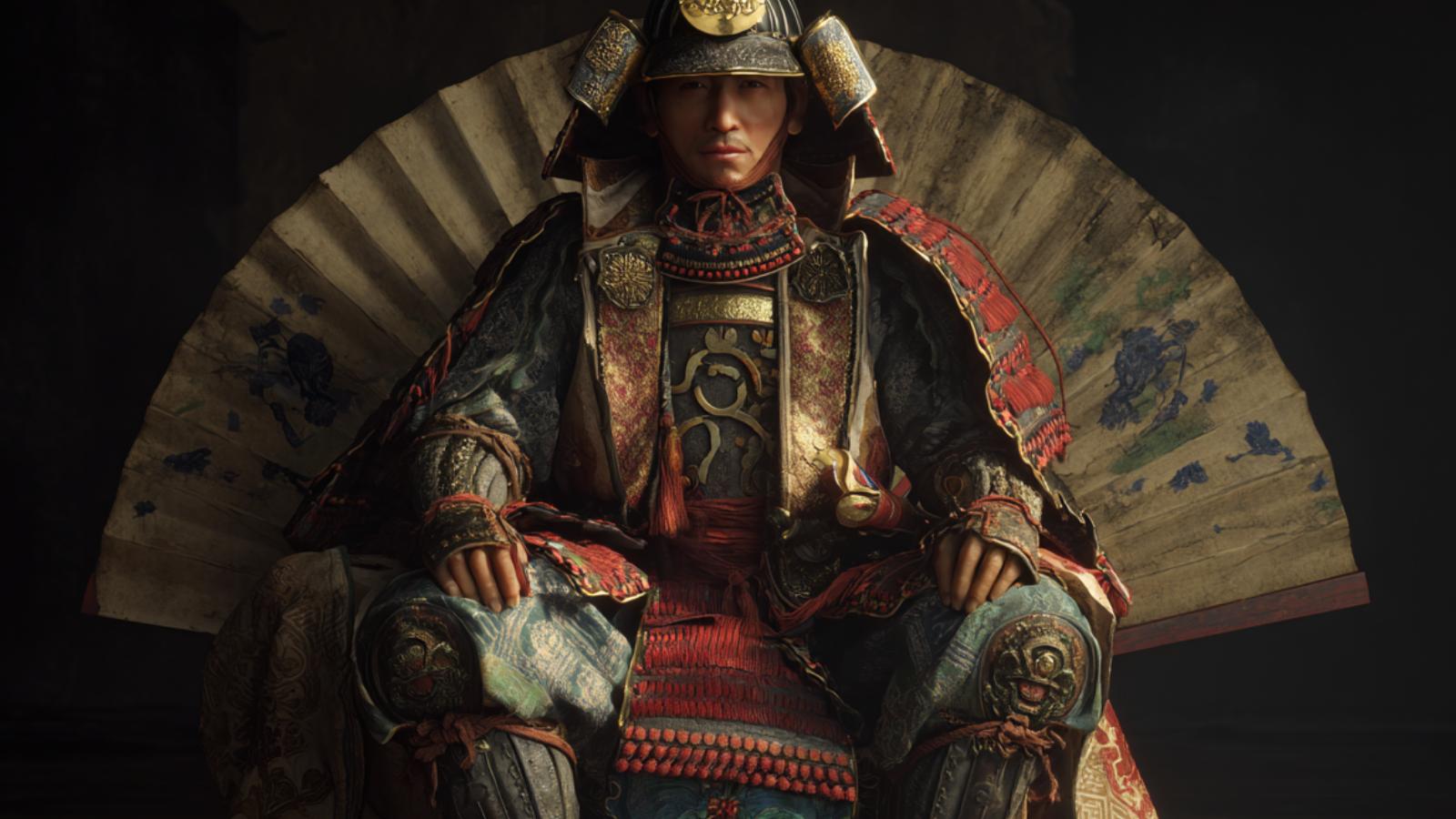
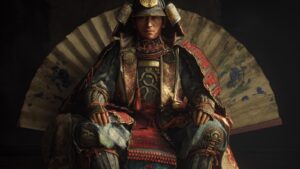
“力は強いが、心は優しい。”
— Strong in might, gentle in heart.

| Lead 統率 |
Valor 武勇 |
Intel 知略 |
Pol 政治 |
|---|---|---|---|
| 80 | 70 | 75 | 65 |
| Name (JP) | 朝倉 景健 |
|---|---|
| Title | Daimyo |
| Clan / Force | Asakura Clan |
| Era | 1510 – 1571 |
| Origin | Echizen |
| Key Battles | |
| Arts | Noh Theatre |
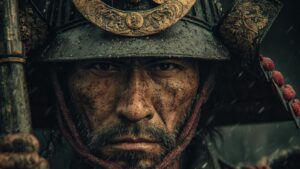
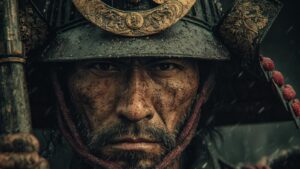
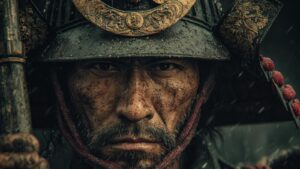
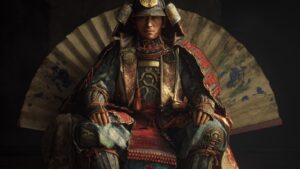
About Asakura Kagetake
He belonged to the Asakura clan, which held significant political power in the region.
Kagetake was educated in the arts and martial skills from a young age, preparing him for the world of samurai warfare and governance.
His family background as the heir of the Shugo positioned him to be a leader in a tumultuous era of Japanese history.
After the death of his father, Kagetake ascended to the role of head of the clan.
He demonstrated strong leadership qualities by consolidating power and managing the clan effectively amid the ongoing conflicts of the Sengoku period.
Kagetake was known for his diplomatic skills, often navigating complex alliances and rivalries with neighboring clans.
His reign saw the Asakura clan maintain significant influence in the region, though his decisions often brought him into conflict with powerful rivals such as the Takeda and Uesugi clans.
Kagetake participated in several key, including the infamous Battle of Kawanakajima.
Though he was not as renowned for personal valor compared to some of his contemporaries, he was respected for his strategic acumen in battle formations and troop morale.
His leadership was crucial in ensuring that his men fought fiercely, even when faced with overwhelming odds.
Despite his efforts, the clan faced turbulent times, and by the 1570s, external pressures began to challenge their hold on power significantly.
Asakura Kagetakes lives on, particularly in the historical context of the Sengoku period.
Although he did not achieve the legendary status of contemporaries like Oda Nobunaga, his contributions to the resistance against warlord hegemony were significant.
He is remembered not only as a warrior but also as a patron of the arts, especially Noh theatre, which flourished during his rule.
Kagetakes story is a testament to the complexities of samurai life and the intricate dance of power and governance in feudal Japan.
comment