
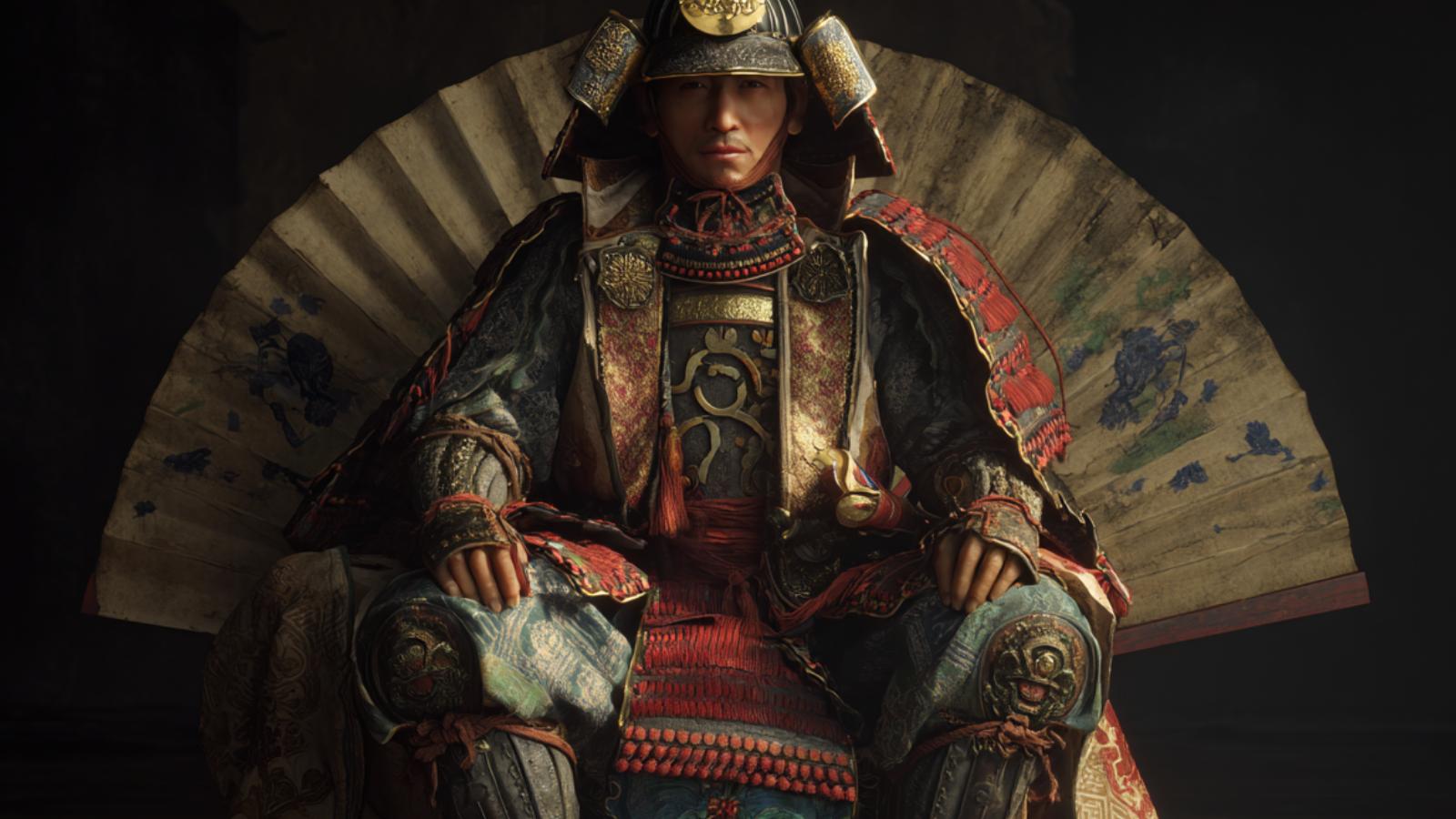
“勝利は準備の成果である。”
— Victory is the result of preparation.

| Lead 統率 |
Valor 武勇 |
Intel 知略 |
Pol 政治 |
|---|---|---|---|
| 75 | 70 | 78 | 65 |
| Name (JP) | 朝比奈 泰朝 |
|---|---|
| Title | Daimyo |
| Clan / Force | Unknown |
| Era | 1542 – 1610 |
| Origin | Suruga |
| Key Battles | |
| Arts | No Drama |
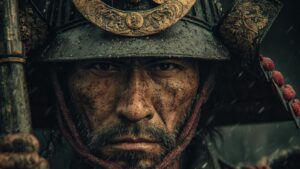
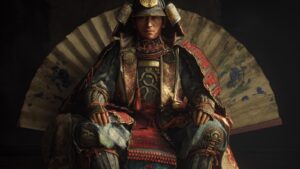
About Asahina Yasutomo
His family belonged to the Shugo class, responsible for governing areas of Japan.
Raised in a culture that prized martial skills and governance, Yasutomo was steeped in the traditions of the samurai from a young age.
His involved rigorous training in military tactics and strategies, preparing him for a life of service and combat.
Yasutomos to prominence began as he served under the Takeda clan during the tumultuous Sengoku period.
His capabilities in both governance and military strategy quickly set him apart from his peers.
He played a significant role in several, where his leadership qualities shone through.
By his early thirties, he had garnered enough respect and loyalty to be appointed as a Daimyo, overseeing his own domain and rallying local samurai to defend against their rivals.
Throughout his military career, Yasutomo participated in numerous significant .
His strategic intellect was particularly evident during the against Tokugawa Ieyasu, where he showcased his ability to maneuver troops effectively on the battlefield.
While he was not as renowned as some of his contemporaries, his record of engagements demonstrated his capability and valor.
Despite facing considerable challenges, he maintained a loyal following among his men, who respected his tactical decisions and courage in battle.
Following his passing in 1610, Asahina Yasutomo’s lived on through his descendants and his impact on the local governance of Suruga.
He is remembered as a capable general who made significant contributions during a time of great upheaval in Japan.
His philosophy of preparation and strategy influenced the samurai code of conduct and tactical teachings of future generations.
comment