
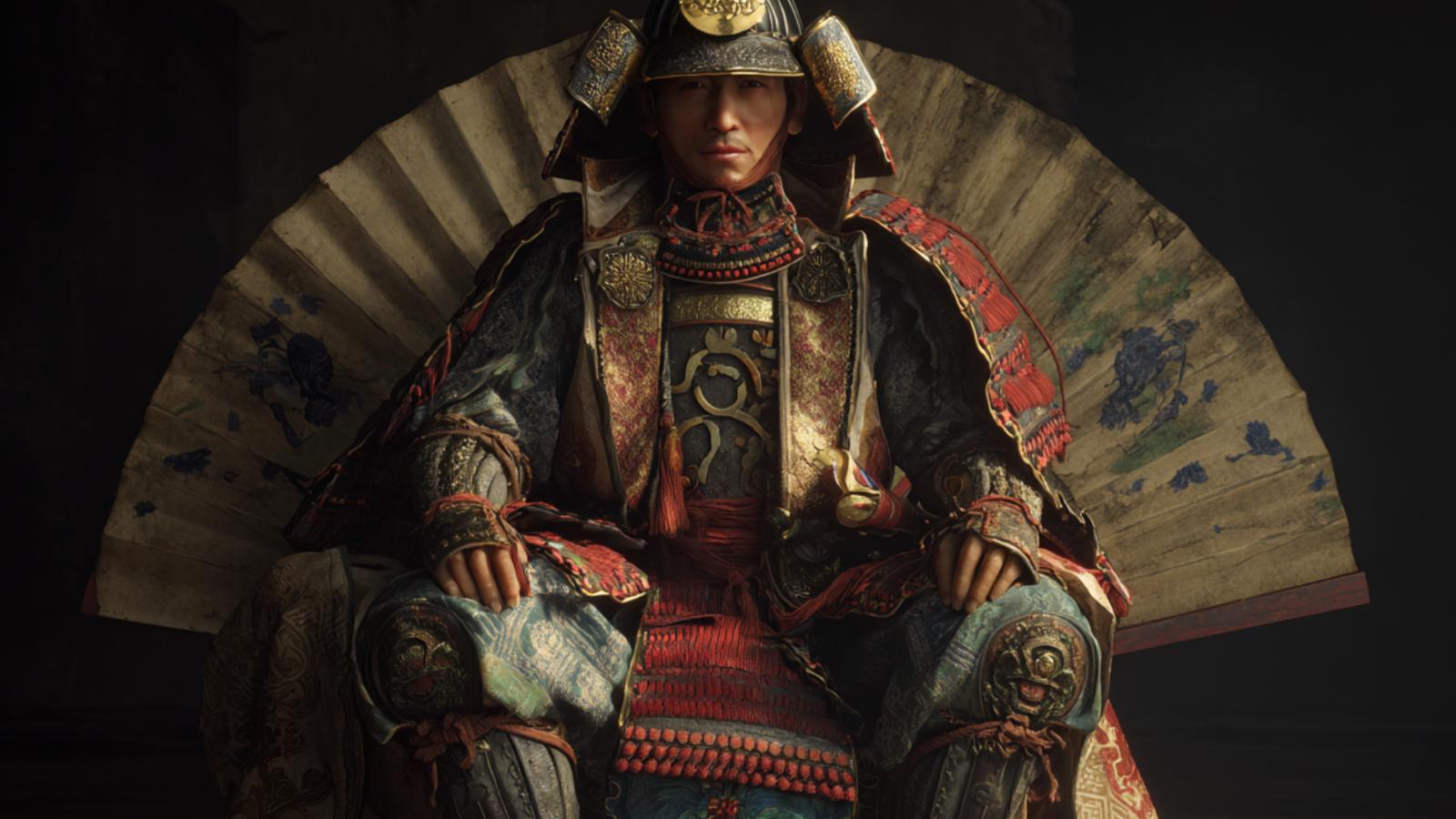
“武士は死ぬことを恐れない。”
— A warrior does not fear death.

| Lead 統率 |
Valor 武勇 |
Intel 知略 |
Pol 政治 |
|---|---|---|---|
| 75 | 60 | 70 | 65 |
| Name (JP) | 甘利 虎泰 |
|---|---|
| Title | Daimyo |
| Clan / Force | Hojo Clan |
| Era | 1499 – 1543 |
| Origin | Kōzuke |
| Key Battles | |
| Arts | Calligraphy |
About Amari Torayasu
His lineage as a Shugo positioned him in the noble class, providing him with the privileges of samurai education, focusing on martial skills and the art of governance.
These formative years were essential in shaping his future as a capable leader.
As the Sengoku period ignited feudal conflicts and territorial struggles, Torayasu began to carve out his reputation.
He allied with powerful clans, emphasizing stability and protection over sheer aggression in his military campaigns.
His leadership during local skirmishes drew attention from larger factions, leading to promotions in rank and authority.
Eventually, he was recognized as a daimyō, overseeing a territory that flourished under his governance.
Torayasu participated in several notable, employing strategic intelligence over brute force.
While not known for extraordinary valor in hand-to-hand combat, he proved to be a pragmatic strategist, often opting for defensive tactics while leveraging the strengths of his retainers and the unique topography of his lands.
His contribution to the unification attempts during this tumultuous period was considerable, yet remaining shadowed by greater historical figures of the time.
Though Amari Torayasus name may not be as widely recognized as contemporaries like Oda Nobunaga, his impact on the regions he governed is undeniable.
His ability to cultivate loyalty among his warriors and adapt to rapidly changing political landscapes laid groundwork necessary for future leaders.
Not merely a warrior, but also a patron of arts like calligraphy, Torayasu embodied the nuances of samurai life, reminding us that the road to power is often paved with wisdom and perseverance.









comment