
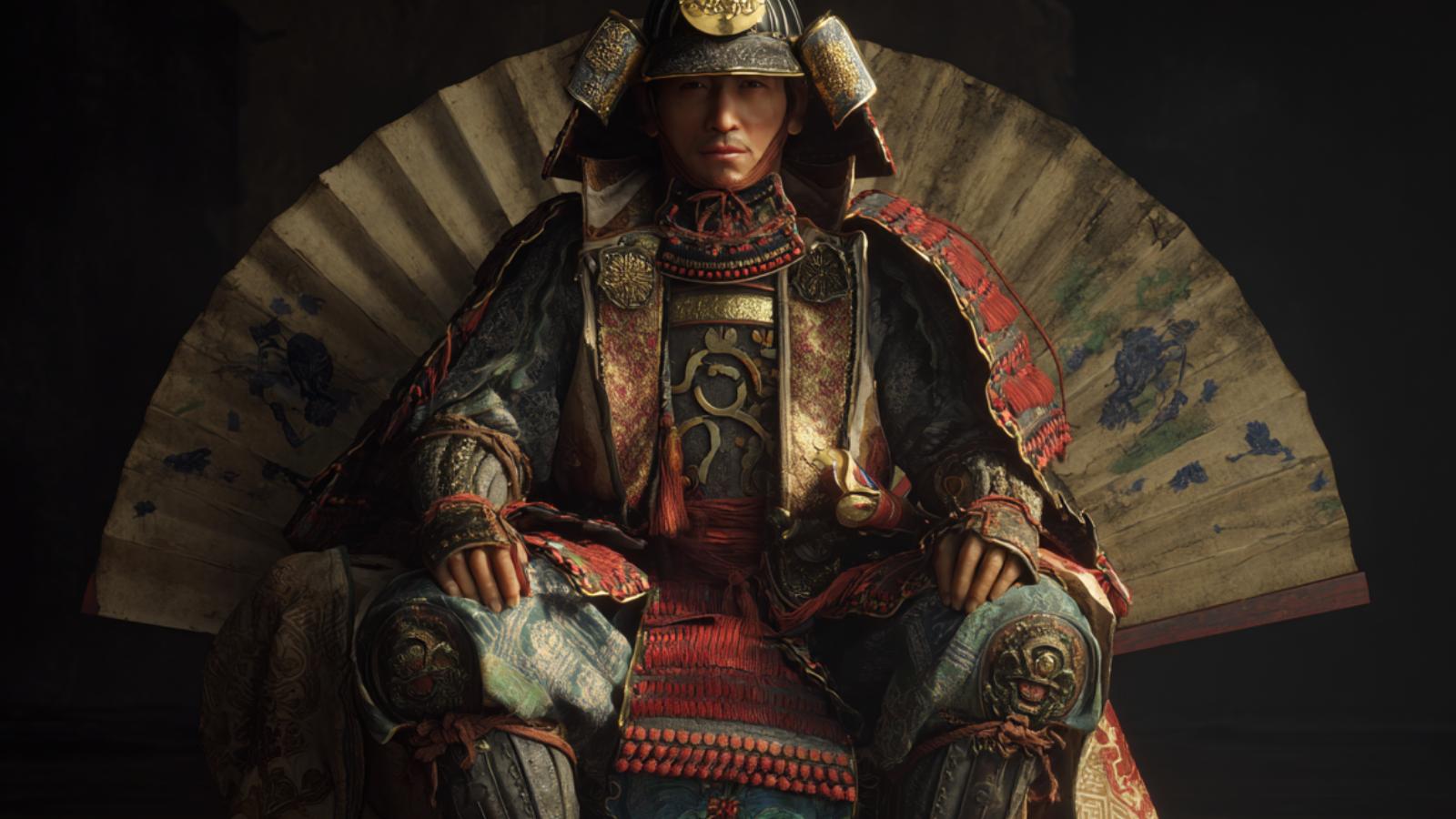
“戦に勝つためには、戦わなければならない。”
— To win a battle, one must fight.

| Lead 統率 |
Valor 武勇 |
Intel 知略 |
Pol 政治 |
|---|---|---|---|
| 75 | 70 | 80 | 65 |
| Name (JP) | 天野 元政 |
|---|---|
| Title | Daimyo |
| Clan / Force | Unknown |
| Era | 1562 – 1600 |
| Origin | Kōzuke |
| Key Battles | |
| Arts | Martial Arts |
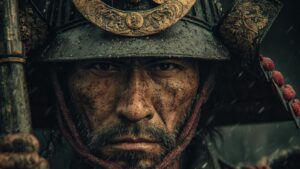
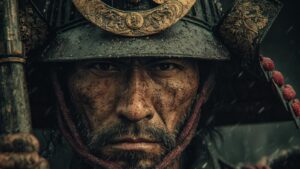
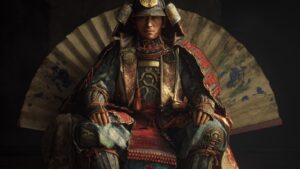
About Amano Motomasa
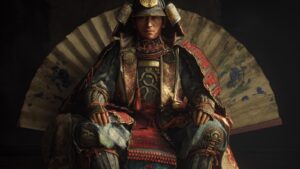
From a young age, he was trained in the arts of warfare and strategy, showcasing a natural aptitude for leadership that would later distinguish him in the feudal landscape of Japan.
Motomasas to prominence came through his service under several powerful lords of the period.
His clever tactics and loyal service earned him not only the trust of his superiors but also a reputation that spread among his peers.
By the late 1570s, he had amassed enough power and resources to declare himself a daimyō, controlling significant territories in Kōzuke.
Motomasa fought valiantly in numerous, including engagements during the campaigns to unify Japan under the Tokugawa clan.
His skill in both strategy and personal combat allowed him to emerge victoriously in several crucial engagements, winning the admiration of his soldiers and fear from his enemies.
Despite facing challenges from rival clans, he maintained his stronghold through a combination of fierce combat and shrewd negotiations.
Amano Motomasas is one of a capable and respected leader during a tumultuous period in Japanese history.
His emphasis on martial training and strategic warfare left an impact on future generations of samurai.
Although he did not achieve the legendary status of contemporaries like Oda Nobunaga or Tokugawa Ieyasu, his contributions to the samurai way and his tactical intelligence paved the way for the formation of a unified Japan.
comment