
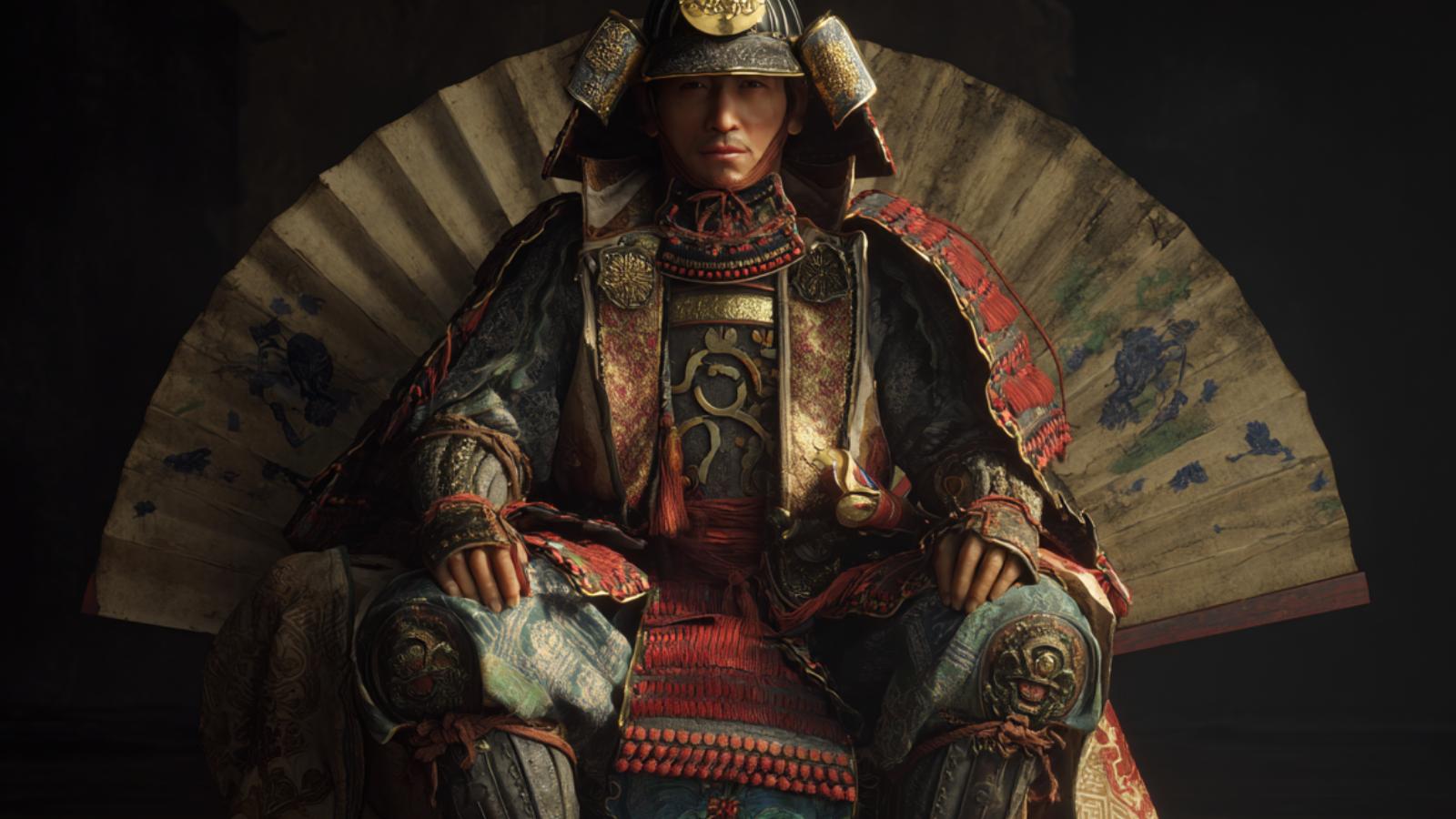
“志を持ち、行動せよ。”
— Hold a strong will and act upon it.

| Lead 統率 |
Valor 武勇 |
Intel 知略 |
Pol 政治 |
|---|---|---|---|
| 80 | 70 | 85 | 75 |
| Name (JP) | 尼子 経久 |
|---|---|
| Title | Daimyo |
| Clan / Force | Amago Clan |
| Era | 1512 – 1560 |
| Origin | Izumo |
| Key Battles | |
| Arts | Noh Theatre |
About Amago Tsunehisa
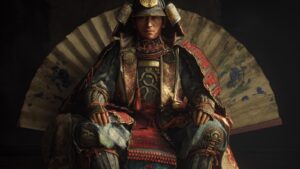
He belonged to the Amago clan, a lineage of shugo (military governors) with a rich heritage.
Growing up in a tumultuous time marked by constant warfare, Tsunehisa was exposed to the intricacies of military strategy and governance from a young age.
Tsunehisa ascended to power as the head of the Amago clan after a brief internal conflict.
His leadership skills began to shine as he unified the clan and expanded its influence, successfully engaging in diplomatic marriages and tactical alliances to strengthen the clans position.
He aimed to restore the clan’s former glory and expand their territory amidst the turbulence of the Sengoku period.
Under Tsunehisas leadership, the Amago clan engaged in several notable against rival clans such as the Mōri and the Uesugi.
His strategic prowess was demonstrated at the Battle of Kizaki, where he implemented effective formations and tactics that maximized his forces’ strengths.
Although the clan faced eventual decline, Tsunehisas military engagements showcased his capability as a commander despite some setbacks.
Amago Tsunehisa left a lasting impact on Japanese history through his efforts in maintaining clan loyalty and strategic governance.
Although the Amago clan ultimately waned in the face of stronger adversaries, Tsunehisa is remembered as a competent and resilient leader who navigated the complexities of samurai warfare and politics during a critical era of Japans history.




comment