
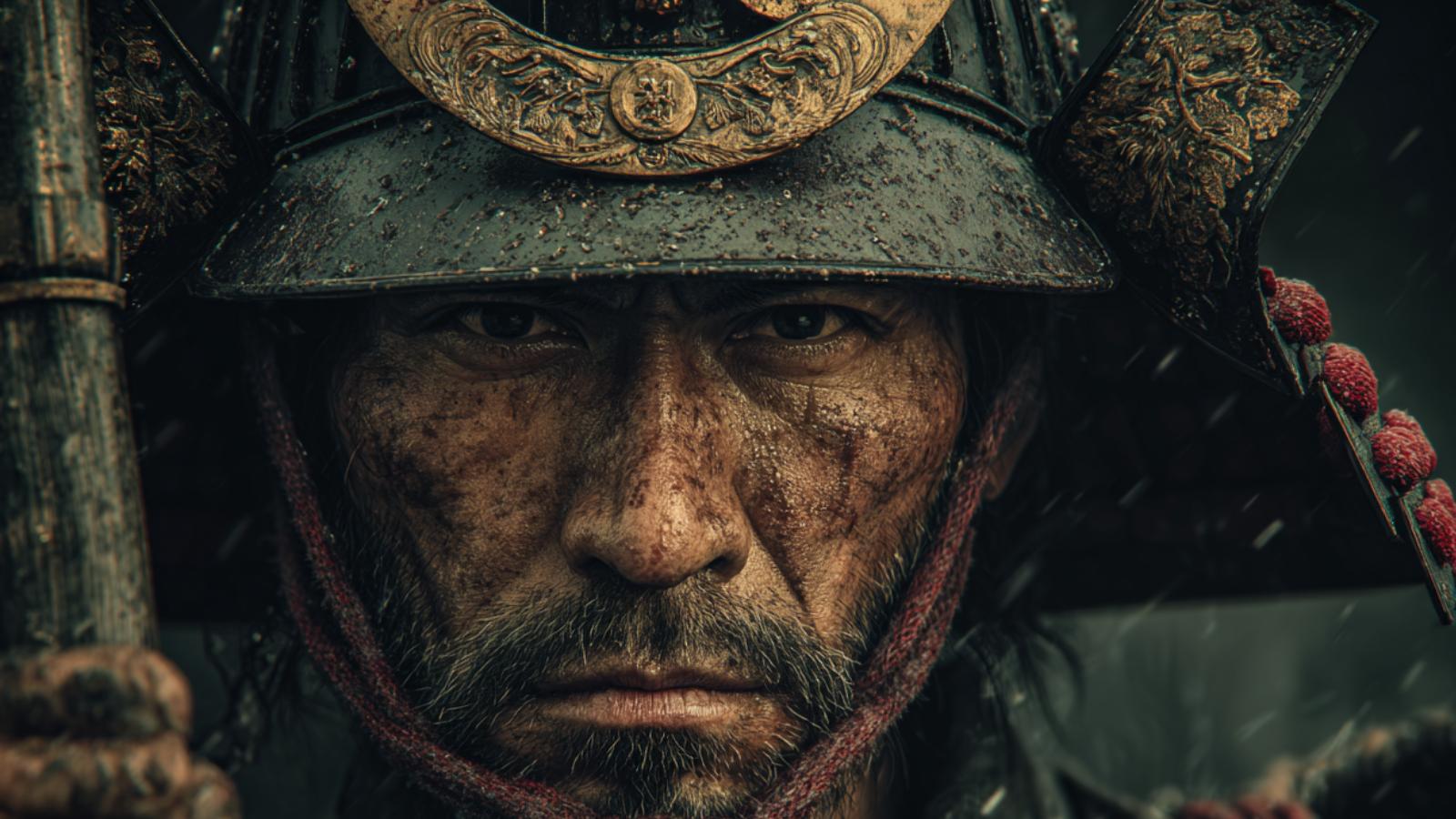
“私の刀は、私の心を映す鏡である。”
— My sword reflects the mirror of my heart.

| Lead 統率 |
Valor 武勇 |
Intel 知略 |
Pol 政治 |
|---|---|---|---|
| 75 | 70 | 80 | 65 |
| Name (JP) | 秋山 信友 |
|---|---|
| Title | Sōdō |
| Clan / Force | Tokugawa Shogunate |
| Era | 1560 – 1615 |
| Origin | Kōzuke |
| Key Battles | |
| Arts | Swordsmanship |
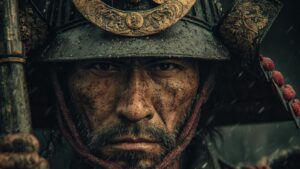
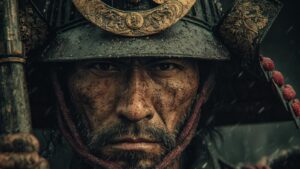
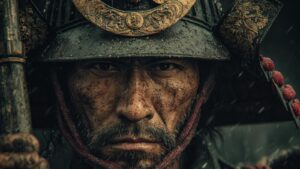
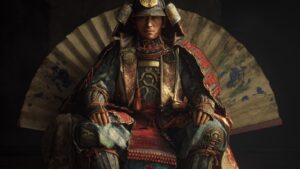
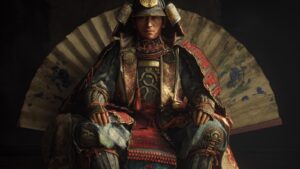
About Akiyama Nobutomo
Raised in the midst of the Warring States, he was exposed to warfare and strategy from a young age, leading him to develop a deep understanding of military tactics and swordsmanship.
Nobutomos early experiences would shape him into a skilled warrior and a clever strategist.
Nobutomo gained prominence in the late 16th century, serving under several notable daimyos, including the Uesugi clan.
His capabilities in battle earned him the of Sōdō, a surname reflecting his status among samurai officers.
Nobutomo was instrumental in various campaigns, demonstrating his quick thinking during skirmishes and larger, particularly during the Siege of Tsuruga Castle.
His valor and reliability earned him respect among his peers and followers.
Throughout his career, Nobutomo participated in numerous significant after aligning himself with powerful factions.
His strategic mind helped turn the tide in several key engagements against rival clans.
The he fought were marked not only by physical combat but also by his ability to negotiate and settle conflicts diplomatically, showcasing a blend of warfare and politics that was critical in that era.
After the tumultuous period of warfare, Akiyama Nobutomos contributions were remembered as part of the intricate history of the samurai era in Japan.
Though he may not have achieved the legendary status of figures like Oda Nobunaga, his abilities and loyalty ensured he left a significant mark on the history of his time.
Remaining a paragon of valor and intelligence, his continues to be appreciated by historians and samurai enthusiasts alike.
comment