
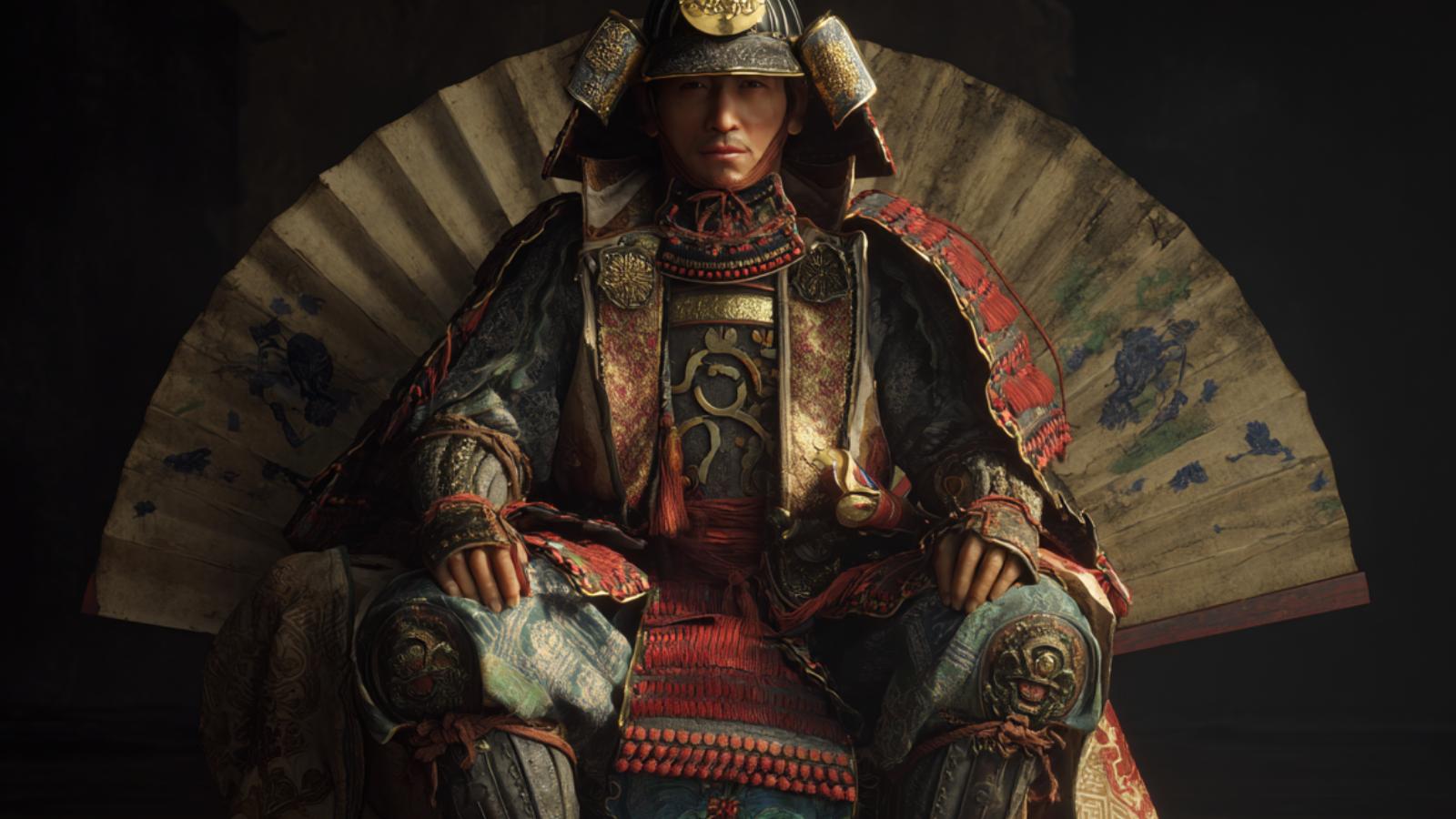
“忠義に生きること、それが武士の道である。”
— To live with loyalty and righteousness, that is the way of the samurai.

| Lead 統率 |
Valor 武勇 |
Intel 知略 |
Pol 政治 |
|---|---|---|---|
| 75 | 80 | 72 | 60 |
| Name (JP) | 赤井 直正 |
|---|---|
| Title | Daimyo |
| Clan / Force | Uesugi Clan |
| Era | 1544 – 1602 |
| Origin | Mikawa |
| Key Battles | |
| Arts | Calligraphy |
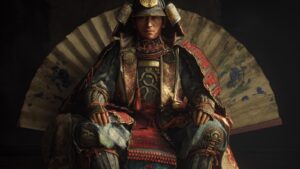
About Akai Naomasa
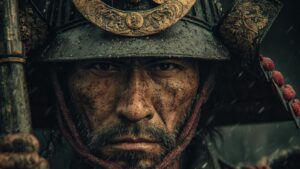
Coming from a family of shugo, he was groomed from a young age to become a formidable warrior.
The tumultuous nature of the Sengoku period influenced his upbringing, imbuing him with values of loyalty, bravery, and a strong sense of duty toward his lord.
His formative years were spent training in martial arts and studying the arts, particularly calligraphy, which would later symbolize his refined character.
Naomasas to prominence began as he served under Tokugawa Ieyasu, who recognized his valor and strategic mind in various engagements.
He quickly gained a reputation for his prowess on the battlefield, participating in significant during the unification of Japan.
His loyalty to Tokugawa was unwavering, earning him promotions and the trust of his lord.
Naomasas ability to command troops effectively during skirmishes was reflected in his leadership stat of 75, demonstrating his capability to rally and inspire those under his command.
Throughout his career, Akai Naomasa participated in several key, such as the Battle of Nagakute and the Siege of Osaka.
His bravery was consistently noted, leading to a valor stat of 80.
In these, he was not only a commander but also directly engaged in combat, showcasing his fighting skills and personal courage.
Despite facing numerous challenges, Naomasas tactical intelligence aided in formulating successful strategies, contributing to his reputation as a capable general within the Tokugawa ranks.
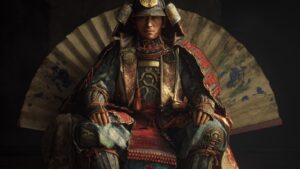
Akai Naomasa passed away in 1602, leaving behind a of loyalty and valor that would influence future generations of samurai.
While he may not have achieved the legendary status of his contemporaries, he is remembered as a dependable and brave daimyō who played a significant role in the consolidation of power during the Sengoku period.
His teachings and principles live on, reflecting the ideals of the samurai code, known as Bushido.
A quote attributed to him encapsulates his beliefs: To live with loyalty and righteousness, that is the way of the samurai.
comment