
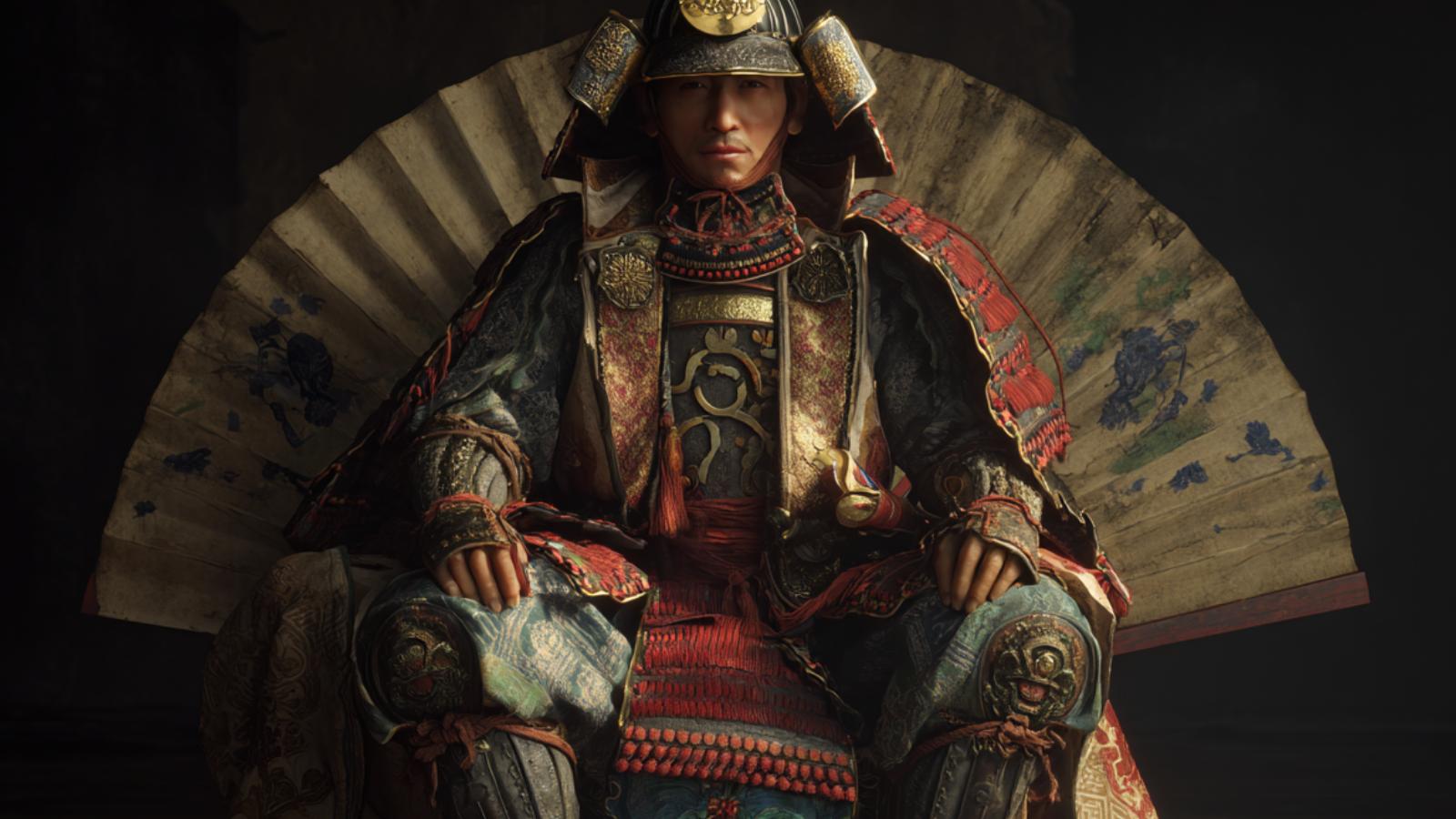
“戦略は勝利の母である。”
— Strategy is the mother of victory.

| Lead 統率 |
Valor 武勇 |
Intel 知略 |
Pol 政治 |
|---|---|---|---|
| 72 | 65 | 70 | 68 |
| Name (JP) | 阿部 忠秋 |
|---|---|
| Title | Daimyo |
| Clan / Force | Tokugawa Clan |
| Era | 1532 – 1590 |
| Origin | Shinano |
| Key Battles | |
| Arts | Martial Arts |
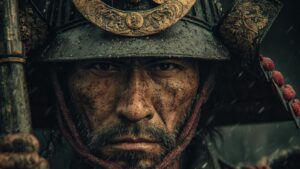
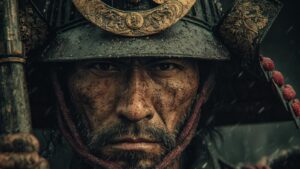
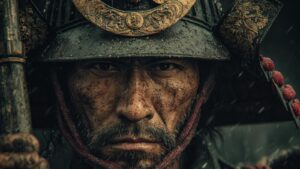
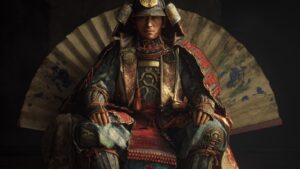
About Abe Tadaaki
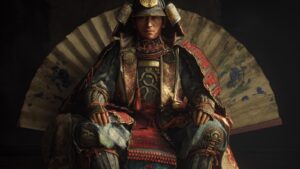
Raised during a tumultuous period marked by constant warfare, Tadaaki received a classical samurai education, focusing not only on martial arts but also on strategy and governance.
Through skillful diplomacy and impressive battlefield tactics, Tadaaki quickly rose through the ranks, earning the loyalty of his retainers and respect from rival clans.
By the late 1550s, he became a notable figure and was recognized as a capable leader among the lesser daimyo in the region.
His leadership was characterized by a blend of valor and intelligence, making him a respected but not overly aggressive daimyō.
Throughout the 1560s and 1570s, Tadaaki played a crucial role in the campaigns led by the powerful warlord Toyotomi Hideyoshi.
His notable included participation in the Siege of Takamatsu and the campaigns against the Hojo clan.
Tadaaki’s strategies often favored ambush and surp tactics, allowing his forces to engage with a timely advantage.
He also maintained a focus on securing his province and utilizing strong defenses against the rising threats of neighboring daimyō.
Abe Tadaaki passed away in 1590, leaving behind a as a respected and capable leader in the Sengoku landscape.
He is remembered for his contributions to the unification of Japan and the cultivation of martial arts within his domain.
Despite not achieving the legendary status of some of his contemporaries, Tadaaki’s impact on his region laid foundations for the stability that would follow the Warring States period.
His strategic philosophy continues to influence military tactics, making him an enduring figure in samurai history.
comment