
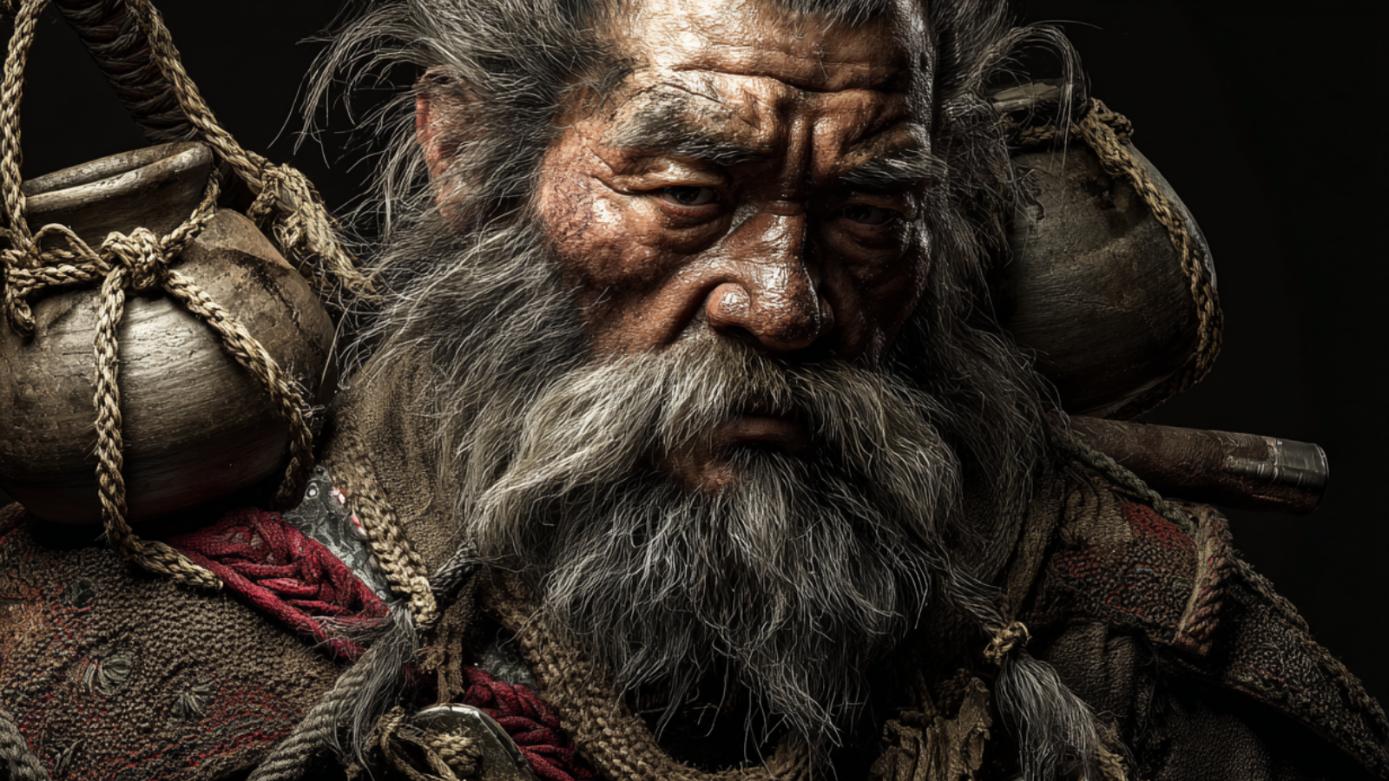
“勝つためには、まず死を恐れず、身を投じるべきだ。”
— To win, one must first embrace death and throw oneself into battle.

| Lead 統率 |
Valor 武勇 |
Intel 知略 |
Pol 政治 |
|---|---|---|---|
| 84 | 78 | 75 | 70 |
| Name (JP) | 柴田 勝家 |
|---|---|
| Title | Daimyo |
| Clan / Force | Oda Clan |
| Era | 1522 – 1583 |
| Origin | Owari |
| Key Battles | |
| Arts | Noh Theatre |
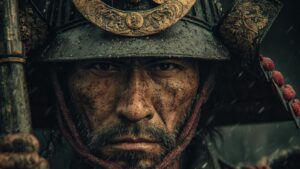
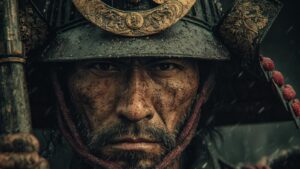
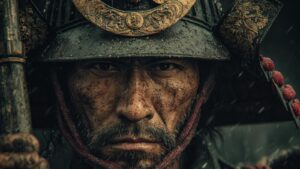
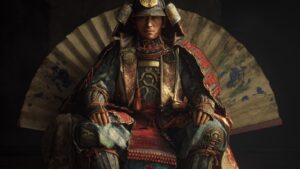
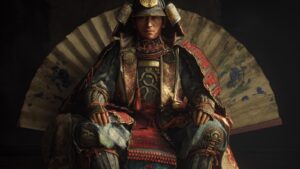
About Shibata Katsuie
His family was part of the samurai class, and he served the Oda clan from a young age.
Katsuie grew up under the tumultuous conditions of the Sengoku period, which shaped his character and skills in warfare., Katsuies to prominence began as he proved himself in battle during the campaigns of Oda Nobunaga.
His loyalty and martial skills earned him the of daimyo.
He played significant roles in various notable, including the Battle of Okehazama, where Nobunagas forces defeated a much larger army, showcasing his strategic mind in executing complex plans against enemies., Throughout his career, Katsuie participated in numerous military campaigns, defending Odas interests and expanding their territories.
One of the hallmark moments of his military career occurred at the Battle of Nagashino in 1575, where he showcased his prowess and ability to work with gunpowder weapons, capitalizing on the tactical revolution of the time.
His contributions solidified the Odas power during this era., Shibata Katsuies is marked by his unyielding loyalty and martial skill.
After Nobunagas death in 1582, he sought to protect the Oda clans interests amidst rising tensions.
However, after the defeat at the hands of Toyotomi Hideyoshi, Katsuie chose to commit seppuku rather than submit.
His life embodies the honor and tragedy of samurai existence, representing the relentless spirit of loyalty and bravery in Japans feudal history.
comment
List of comments (1)
[…] Shibata Katsuie | 柴田 勝家 […]