
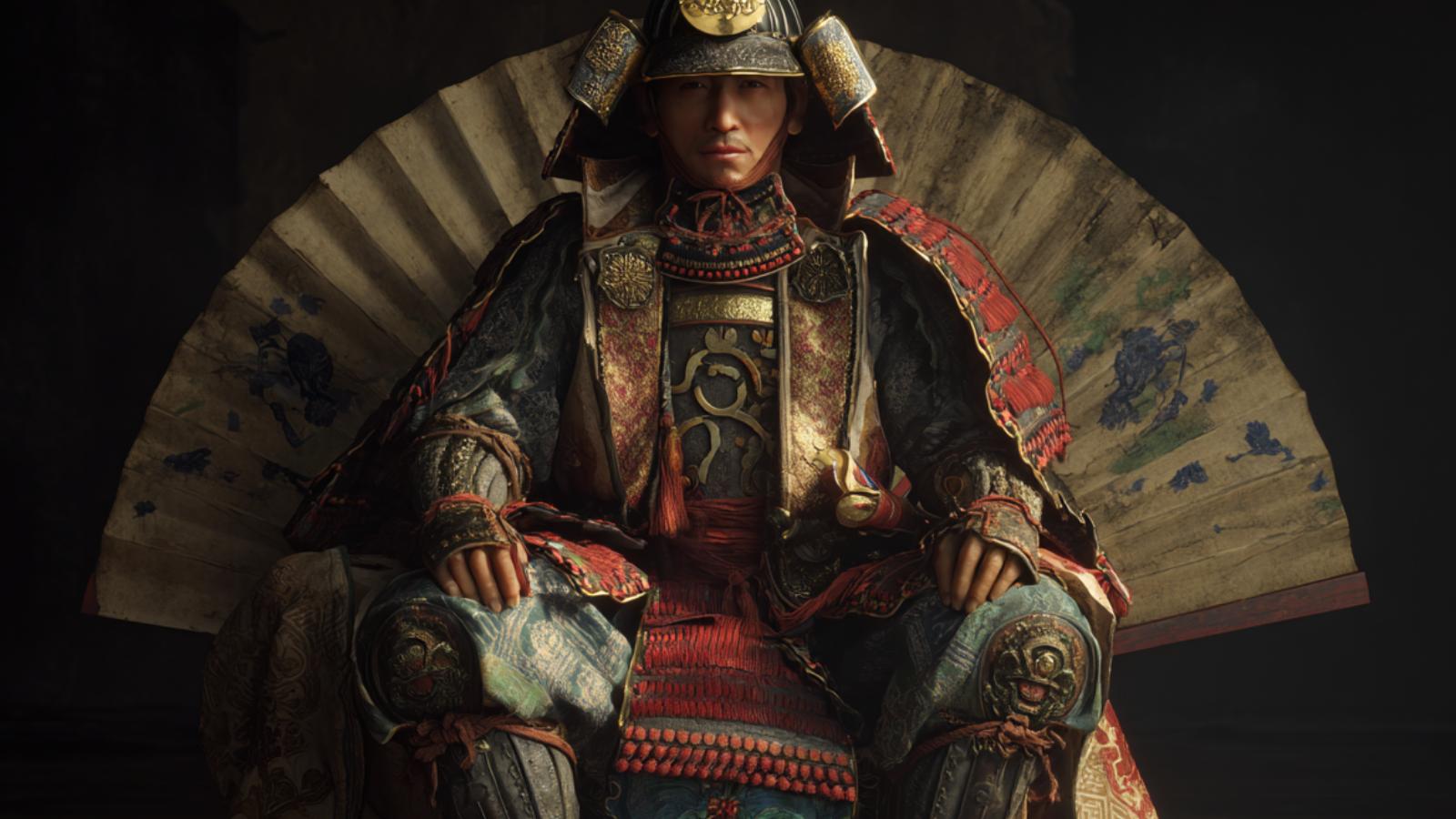
“武士は信念のもとに生きるべし。”
— A samurai should live under the principle of conviction.

| Lead 統率 |
Valor 武勇 |
Intel 知略 |
Pol 政治 |
|---|---|---|---|
| 75 | 70 | 78 | 65 |
| Name (JP) | 桑名 吉成 |
|---|---|
| Title | Daimyo |
| Clan / Force | Unknown |
| Era | 1570 – 1633 |
| Origin | Ise |
| Key Battles | |
| Arts | Noh Theatre |
About Kuwana Yoshinari
From a young age, he was immersed in the martial traditions of the samurai, displaying a keen aptitude for both combat and strategy.
His upbringing instilled in him the samurai virtues of loyalty and honor, which would guide him throughout his life.
As he matured, Yoshinari quickly rose through the ranks due to his impressive skills on the battlefield and his ability to lead men in times of tumult.
His most notable achievements include his participation in key conflicts during the period leading up to the unification of Japan.
His loyalty to the ruling powers of the time gained him favor, leading him to be appointed as a daimyo.
During this time, he became known not only for his military prowess but also for his patronage of the arts, particularly Noh theatre.
Kuwana Yoshinari fought in several significant throughout the late Sengoku period, demonstrating both bravery and tactical acumen.
His strategies were often characterized by careful planning and an understanding of his enemies’ weaknesses.
Despite his capable leadership, he faced many challenges, as the political landscape was ever-changing, and alliances were often temporary.
Though not a legendary figure, he earned respect among his contemporaries for his contributions both on and off the battlefield.
Yoshinari passed away in 1633, leaving a rooted in both martial and cultural influence.
His contributions to Noh theatre and the samurai code have been remembered through the ages, ensuring that his name remains associated with the rich history of the samurai class in Japan.
His lifes work exemplified the balance between might and culture, a hallmark of the samurai spirit that would influence future generations.







comment