
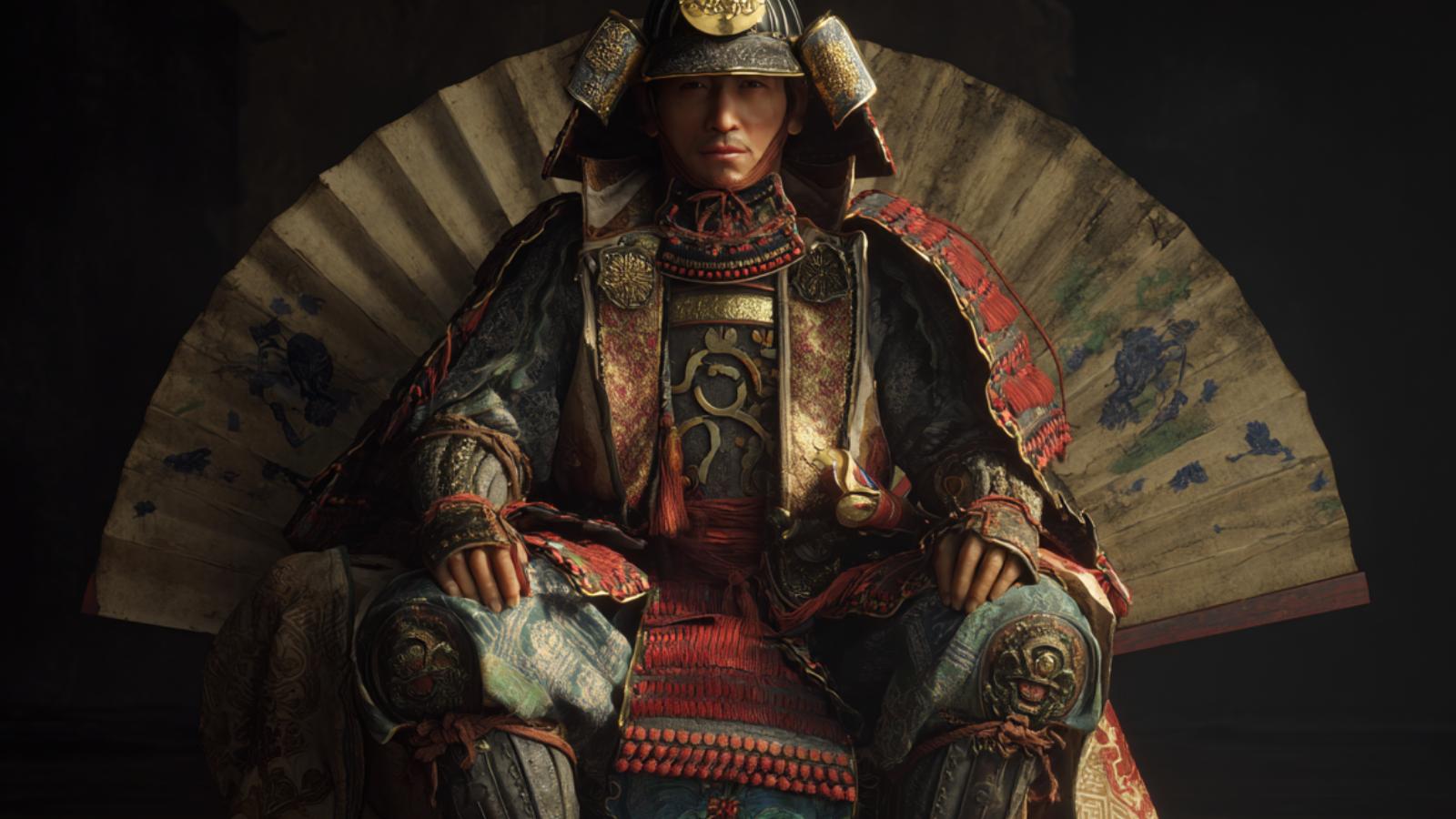
“武士の道は忠義に始まり、忠義に終わる。”
— The way of the samurai begins with loyalty and ends with loyalty.

| Lead 統率 |
Valor 武勇 |
Intel 知略 |
Pol 政治 |
|---|---|---|---|
| 75 | 70 | 65 | 60 |
| Name (JP) | 久武 親信 |
|---|---|
| Title | Daimyo |
| Clan / Force | Unknown |
| Era | 1558 – 1627 |
| Origin | Kii |
| Key Battles | |
| Arts | Noh Theatre |
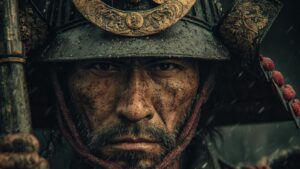
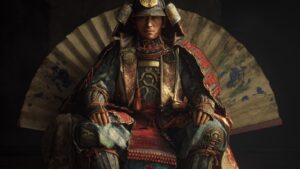
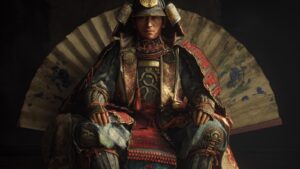
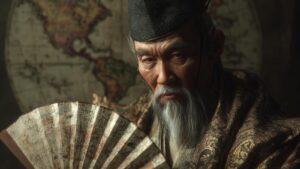
About Hisatake Chikanobu
His family had a lineage connected to the ruling powers of the area, which allowed him to receive a notable education in martial arts and strategy.
From a young age, he was groomed for leadership and was exposed to the complexities of political alliances and military tactics.
As Chikanobu grew older, he became a retainer for the powerful daimyō of the region.
His abilities in combat and keen intellect allowed him to through the ranks.
He participated in several key during the Sengoku period, gaining recognition for his tactical prowess and valor on the battlefield.
His dedication to his lord was unwavering, and he often strategized ways to secure advantages in conflicts against rival clans.
Chikanobus reputation solidified during the unification of Japan under Toyotomi Hideyoshi, where he displayed significant leadership during critical sieges and engagements.
His experiences during the chaotic of his time not only showcased his personal bravery but also highlighted his skills in assembling and leading troops effectively.
He fought valiantly in numerous campaigns that ultimately contributed to the stability of the region he represented.
Chikanobus contributions to the samurai culture and the unification efforts of Japan leave behind a that resonates in history.
After his passing in 1627, he was revered as a capable leader with deep-rooted loyalty, and his family continued to play a role in the governance of Kii Province.
His teachings and way of life became exemplary, setting standards for future generations of samurai.
His philosophy on loyalty and service continues to be a core tenet within samurai culture.
comment