
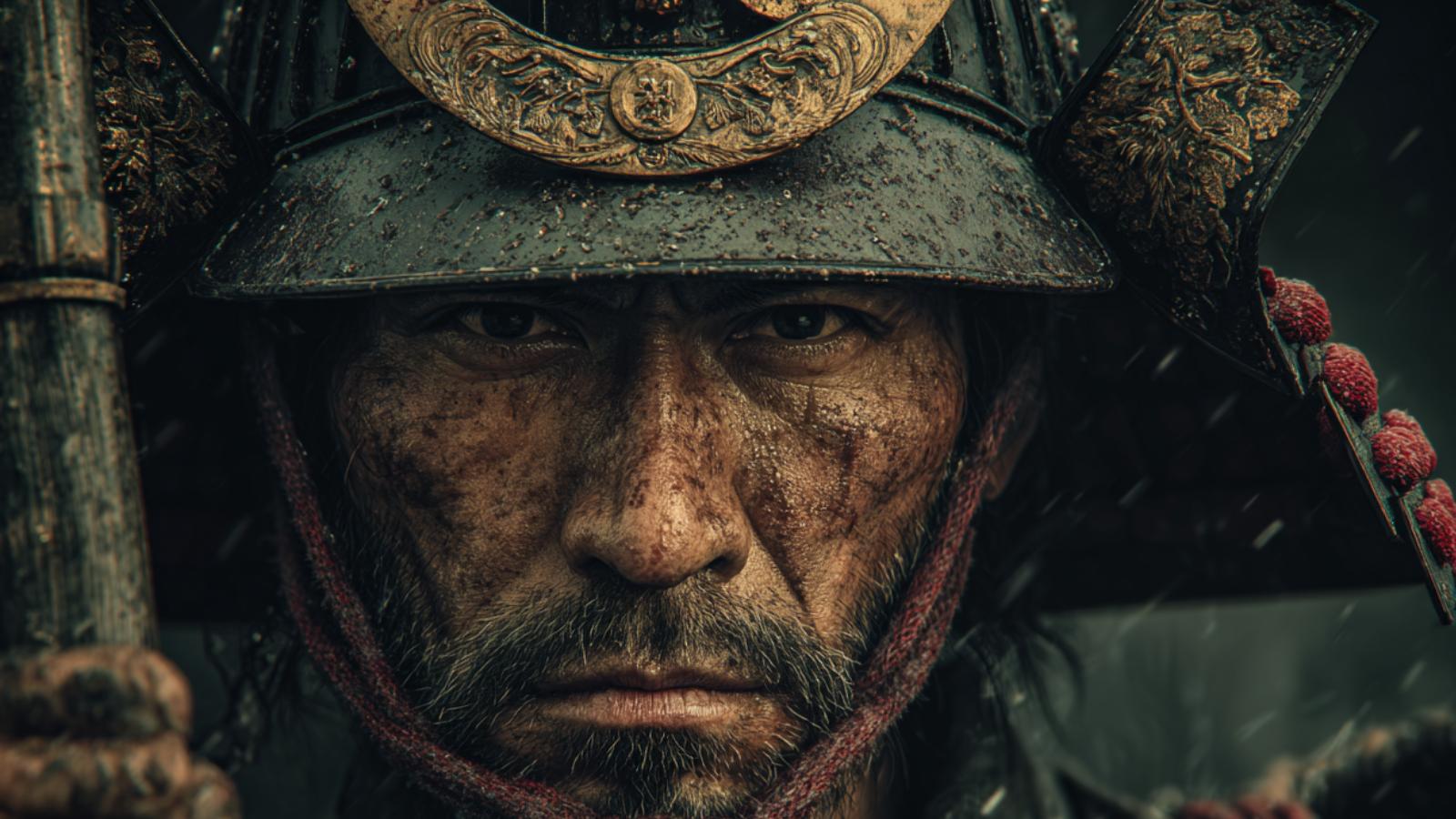
“剣に生き、剣に死ぬ。”
— Live by the sword, die by the sword.

| Lead 統率 |
Valor 武勇 |
Intel 知略 |
Pol 政治 |
|---|---|---|---|
| 66 | 70 | 65 | 60 |
| Name (JP) | 妙秀 |
|---|---|
| Title | Retainer |
| Clan / Force | Unknown |
| Era | 1560 – 1613 |
| Origin | Sumiyoshi |
| Key Battles | |
| Arts | Kenjutsu |
About Myoshu
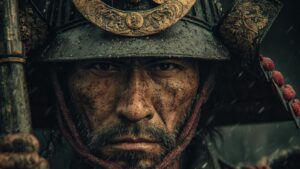
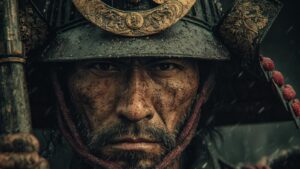
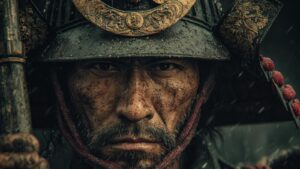
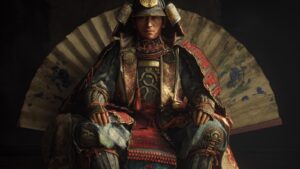
Growing up in a tumultuous period marked by feudal warfare, he was trained in the art of Kenjutsu from a young age, which laid the foundation for his future as a warrior.
His family had been vassals to a local lord, and the values of loyalty and honor were instilled in him early on.
Myoshu was recognized for his dedication and skill in combat, which caught the attention of notable warlords of the time.
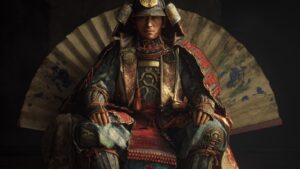
As he matured, Myoshu served under several prominent daimyo.
His leadership qualities were evident during skirmishes as he commanded small groups of men with remarkable effectiveness.
His reputation grew, not just for his personal valor but also for his ability to inspire his troops.
This led to him being appointed as a retainer to a rising warlord, where he participated in numerous strategic campaigns.
Myoshu played a crucial role in several key during the late Sengoku period.
His tactical sense was displayed during engagements against rival clans, where he demonstrated his ability to adapt and respond to changing battlefield conditions.
Despite not being the most famous figure of his time, his contributions were significant in securing victories for his lord, showcasing his relentless spirit and commitment to his clan.
Myoshu passed away in 1613, but his lives on through the stories of valor and loyalty that have inspired later generations.
While he may not have achieved the legendary status of some contemporaries, those who fought alongside him remembered him as a capable and honorable samurai whose life embodied the true spirit of the bushido code.
His profound quote, Live by the sword, die by the sword, encapsulates the essence of a samurais existence during this era.
comment