
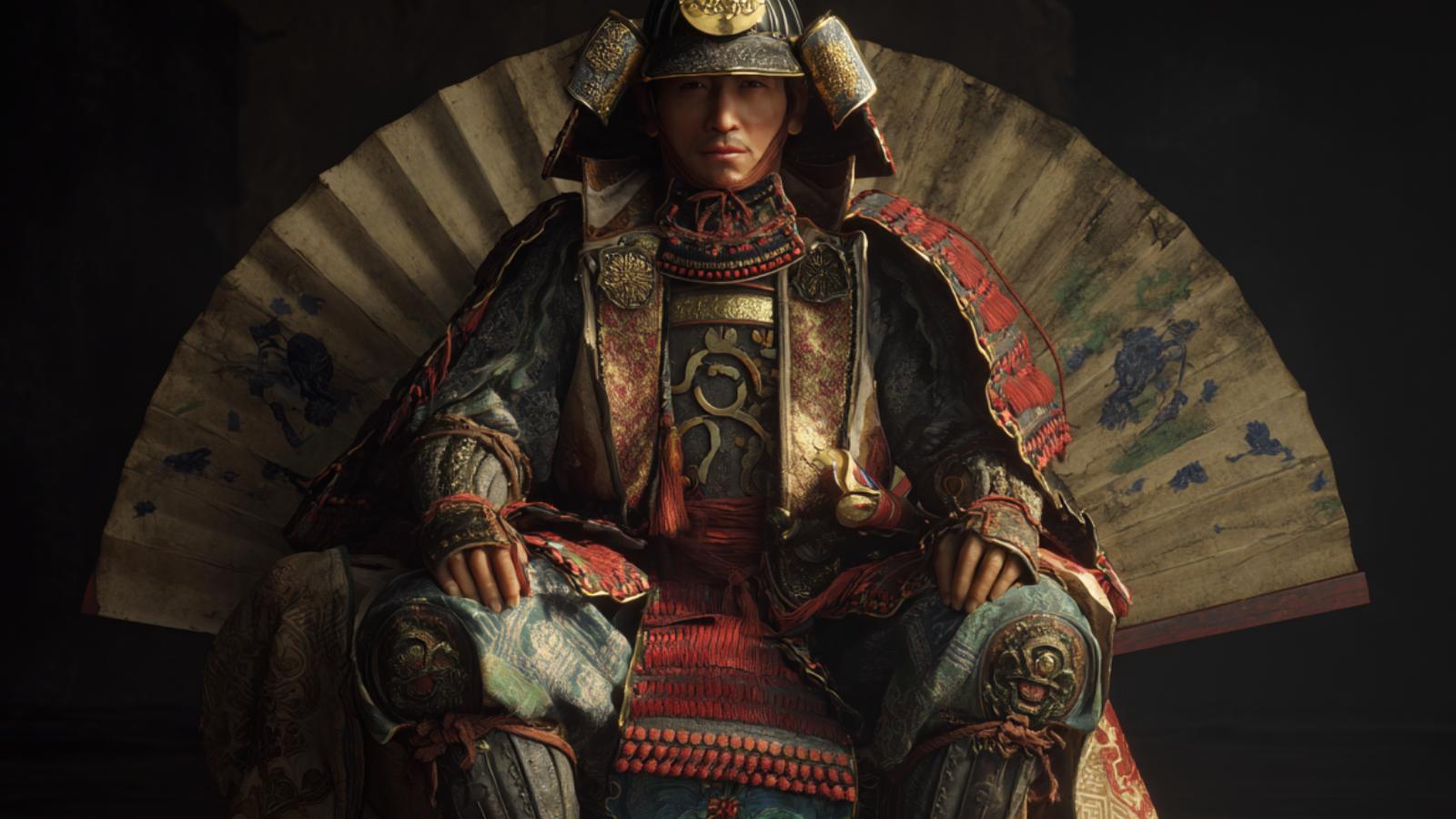
“士は常に戦に備えよ。”
— A warrior must always be prepared for battle.

| Lead 統率 |
Valor 武勇 |
Intel 知略 |
Pol 政治 |
|---|---|---|---|
| 76 | 72 | 82 | 68 |
| Name (JP) | 長宗我部 兼序 |
|---|---|
| Title | Daimyo |
| Clan / Force | Chosokabe Clan |
| Era | 1546 – 1600 |
| Origin | Tosa |
| Key Battles | |
| Arts | Ikebana |
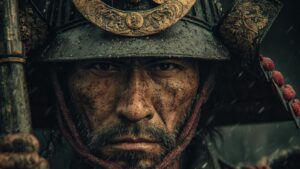
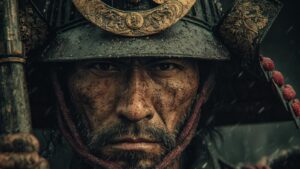
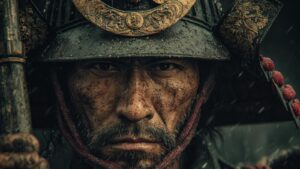
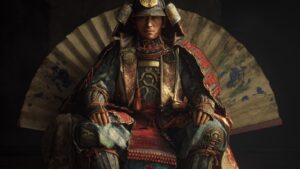
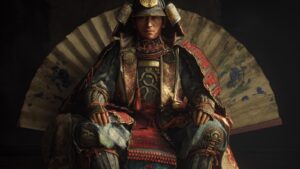
About Chosokabe Kanetsugu
His early years were marked by the tumultuous conflicts of the Sengoku era, which shaped his character and ambitions.
Kanetsugu was educated in martial arts and strategy under the guidance of experienced warriors and was influenced by the political maneuvering of the time., Kanetsugu rose to prominence as a skilled tactician and leader of the Chosokabe clan.
He played a crucial role in the clan’s expansion efforts across Shikoku and became known for his decisive against rival clans.
His leadership during the campaigns against the Motobune and the Ikko-Ikki helped solidify the Chosokabes influence and control in the region., His are famed for innovative tactics and effective use of the terrain.
Kanetsugu’s strategies were not only focused on direct confrontation but also on espionage and psychological warfare.
These approaches allowed the Chosokabe forces to prevail against larger armies through well-timed raids and ambushes.
His most notable achievements include the successful defense of against the powerful Oda clan forces and securing alliances that strengthened his position., Chosokabe Kanetsugus is one of a formidable yet pragmatic leader who navigated through the chaos of the Sengoku period.
His ability to unify disparate factions on Shikoku has earned him a respected place in Japanese history.
Key aspects of his leadership style, notably his diplomatic efforts, have influenced the strategic approaches of succeeding generations of leaders.
He ultimately met his end in the Battle of Sekigahara in 1600, but his contributions to the development of samurai tactics and governance live on.
comment