
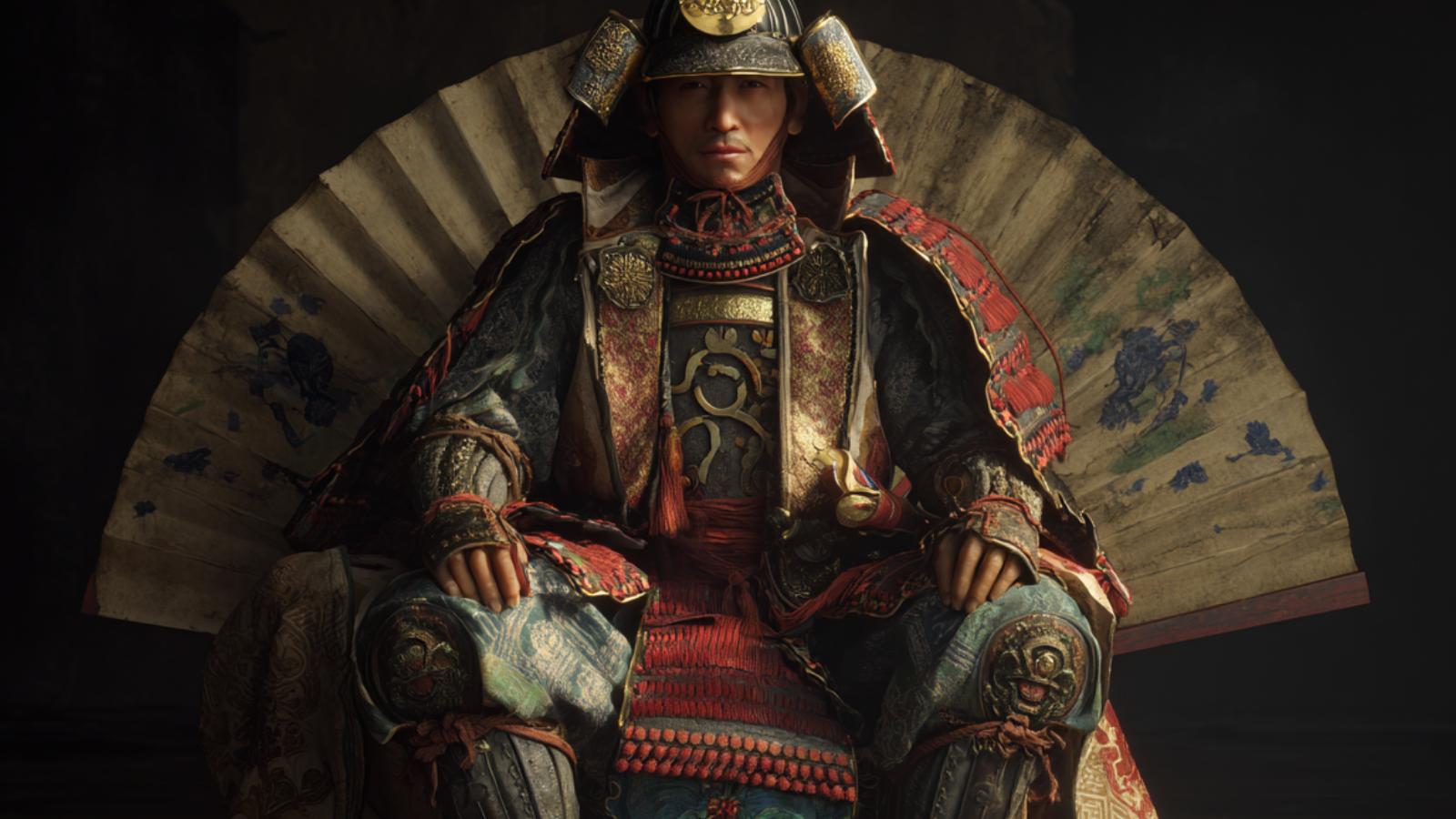
“かけがえのない者は、全力を尽くして守るべきだ。”
— Those irreplaceable must be protected with all one’s might.

| Lead 統率 |
Valor 武勇 |
Intel 知略 |
Pol 政治 |
|---|---|---|---|
| 75 | 70 | 80 | 60 |
| Name (JP) | 佐竹 義廉 |
|---|---|
| Title | Daimyo |
| Clan / Force | Satake Clan |
| Era | 1560 – 1633 |
| Origin | Dewa |
| Key Battles | |
| Arts | Noh Theatre |
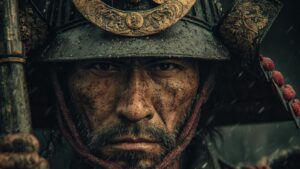
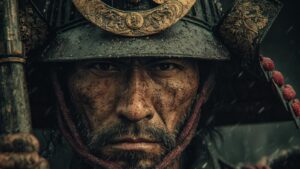
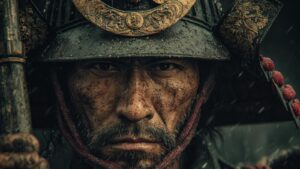
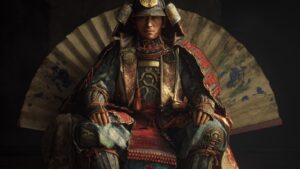
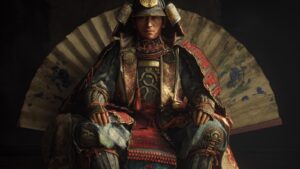
About Satake Yoshizumi
From a young age, he was groomed for leadership and military command, taking cues from the turbulent environment surrounding him.
His family was part of the shugo, a powerful feudal tenure in Japan.
He was educated in the classical arts as well as martial skills, laying the groundwork for his future as a capable daimyō.
As Yoshizumi reached adulthood, he became more involved in the political maneuvers of his clan, particularly as the power struggles between various factions escalated.
He was loyal to the Toyotomi clan, which earned him both allies and enemies.
Under his leadership, the Satake clan grew in strength and influence, especially during alliances and conflicts with neighboring clans.
His adept management also led to a significant improvement in the economic conditions of his province, showcasing his skills in governance.
Yoshizumi participated in several key throughout his career, demonstrating both valor and tactical intelligence.
He fought bravely during the Siege of Osaka, where his strategies contributed to delaying enemy advances.
Though the tide of war was not in favor of many who served the Toyotomi, Yoshizumis resolve did not falter, and he remained deeply committed to his allies throughout the conflict.
His ability to adapt to changing conditions on the battlefield earned him the respect of both his allies and adversaries, standing out as a competent general in tumultuous times.
Satake Yoshizumis is one marked by his diplomatic skills and military prowess.
Though he may not have reached the legendary status of figures like Oda Nobunaga or Tokugawa Ieyasu, his contributions to the Sengoku period were significant in their own right.
He was respected not only for his battlefield skills but also for his appreciation of culture, particularly Noh theatre, which he patronized during his reign as a daimyo.
His life reflects the complexity of the samurais role during Japans transition into a unified state, providing key insights into the intricacies of leadership and loyalty.
comment