
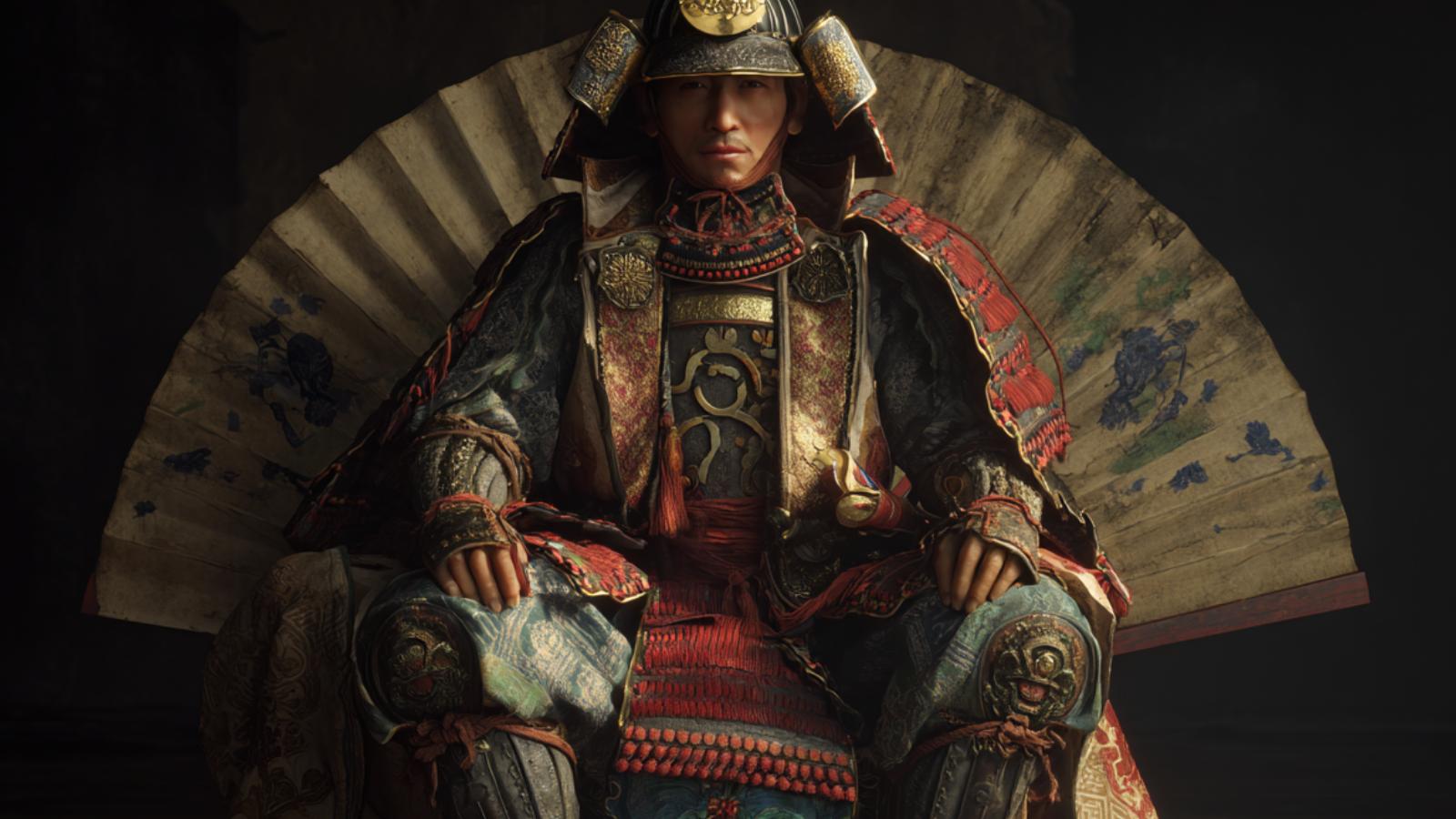
“心を持って物を作ることが、真の芸術である。”
— Creating with heart is the essence of true art.

| Lead 統率 |
Valor 武勇 |
Intel 知略 |
Pol 政治 |
|---|---|---|---|
| 75 | 70 | 80 | 65 |
| Name (JP) | 楽 長次郎 |
|---|---|
| Title | Daimyo |
| Clan / Force | Unknown |
| Era | 1525 – 1592 |
| Origin | Kyoto |
| Key Battles | |
| Arts | Pottery |
About Raku Chojiro
He grew up in an era of flourishing arts and crafts, where he was deeply influenced by the tea ceremony, which had begun to gain prominence among the samurai and the nobility.
His formative years were shaped by the rich cultural milieu of the Muromachi period, as he learned the intricate skills of pottery from his father.
In the 16th century, Raku’s innovative approach to pottery began to attract the attention of influential figures, including the famous tea master Sen no Rikyū.
Recognizing the harmony between Rakus pottery and the aesthetic principles of the tea ceremony, Rikyū sought to incorporate Raku ware into his tea gatherings.
This partnership not only elevated Rakus reputation but also established Raku ware as essential to the tea culture, symbolizing simplicity and natural beauty.
Although Raku was not a military figure, he navigated the competitive world of artisans and rival potters with strategic insight.
His creations, characterized by an organic appearance and unique glazing techniques, led to considerable demand, paralleling the tumultuous that defined the political landscape of his time.
Rakus artistry was his weapon, and through it, he established a that would endure for centuries.
Raku Chojiro’s influence on Japanese pottery is monumental.
He not only founded the Raku ware style but also inspired generations of potters.
His work became a vital part of the cultural of the tea ceremony, bridging the gap between the arts and everyday life.
Raku ware remains revered for its unique aesthetic and is celebrated in modern tea practices.
Raku’s commitment to craftsmanship embodies the spirit of the artisan class in Japan.




comment