
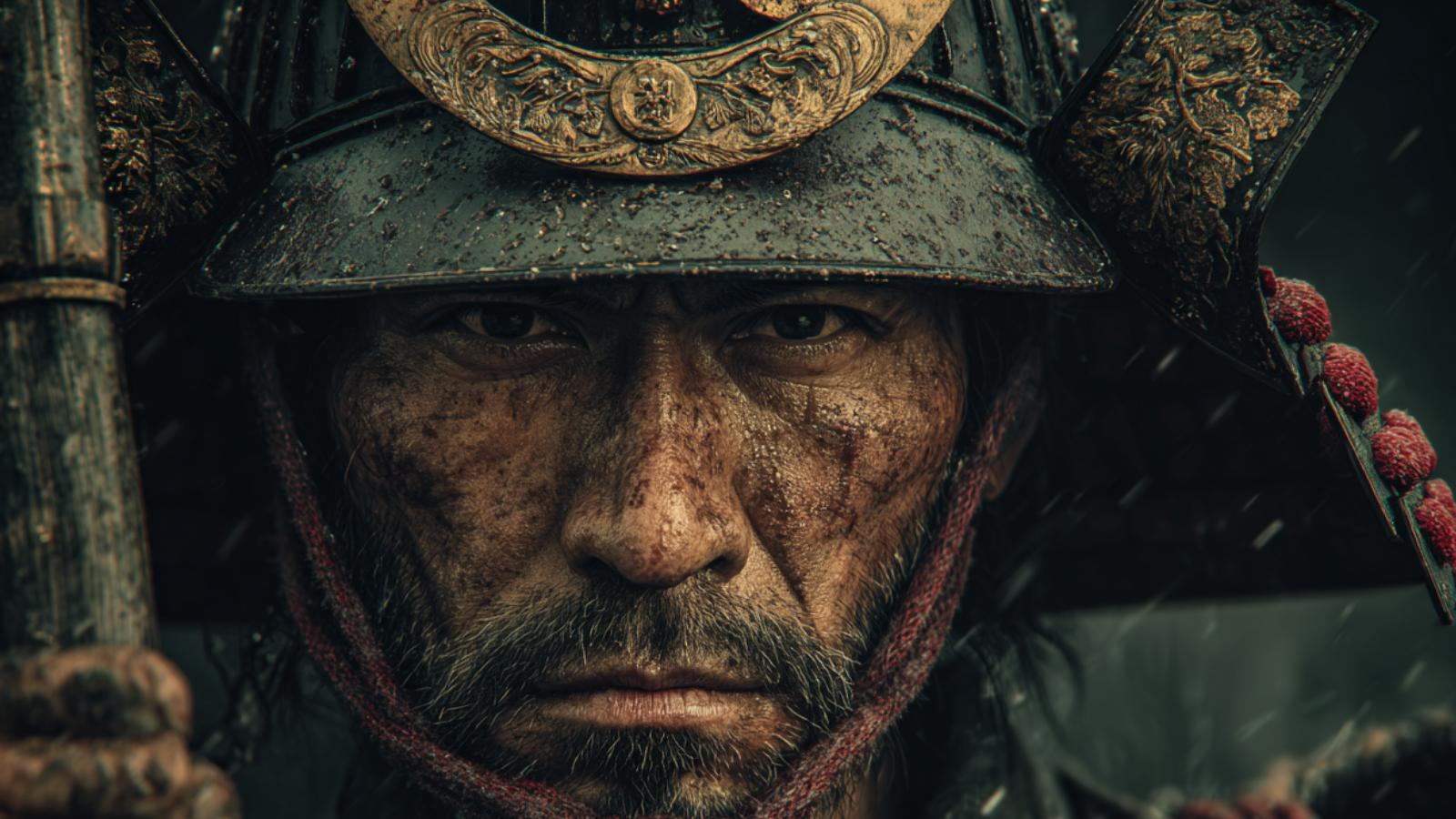
“刀は心を映す。”
— The sword reflects the heart.

| Lead 統率 |
Valor 武勇 |
Intel 知略 |
Pol 政治 |
|---|---|---|---|
| 70 | 75 | 60 | 50 |
| Name (JP) | 孫六 兼元 |
|---|---|
| Title | Master Swordsmith |
| Clan / Force | Unknown |
| Era | 1560 – 1615 |
| Origin | Kōzuke |
| Key Battles | |
| Arts | Swordsmithing |
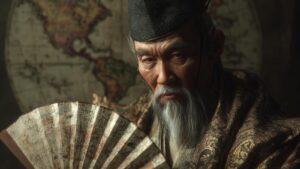
About Magoroku Kanemoto
Little is documented about his, but it is believed that he was trained by master swordsmiths, developing his skills in the making of exceptional blades.
His craftsmanship quickly gained attention during a time when samurai demanded high-quality weapons for battle.
As the Sengoku period progressed, Kanemoto established himself as one of the foremost swordsmiths of his time.
He adopted the name Magoroku as a mark of recognition in his craft, creating blades that were not only functional but also works of art.
His swords were sought after by numerous daimyo, elevating his status within the artistic and martial communities.
While Kanemoto was primarily known for his mastery in swordsmithing, the tumultuous times of the Sengoku period saw his weapons wielded by many notable samurai in across Japan.
His craftsmanship contributed to the effectiveness of their artistry in warfare, as a finely made sword can often turn the tide of battle.
Though he himself did not command armies, his influence resonated through the weapons he crafted.
Magoroku Kanemoto’s is highly regarded not only for the quality of his swords but also for his philosophy in sword making, believing that a sword should reflect the spirit of its owner.
His impact can be seen in the continued appreciation for Japanese swords and craftsmanship to this day, making his contributions timeless in the annals of martial arts history.
comment