
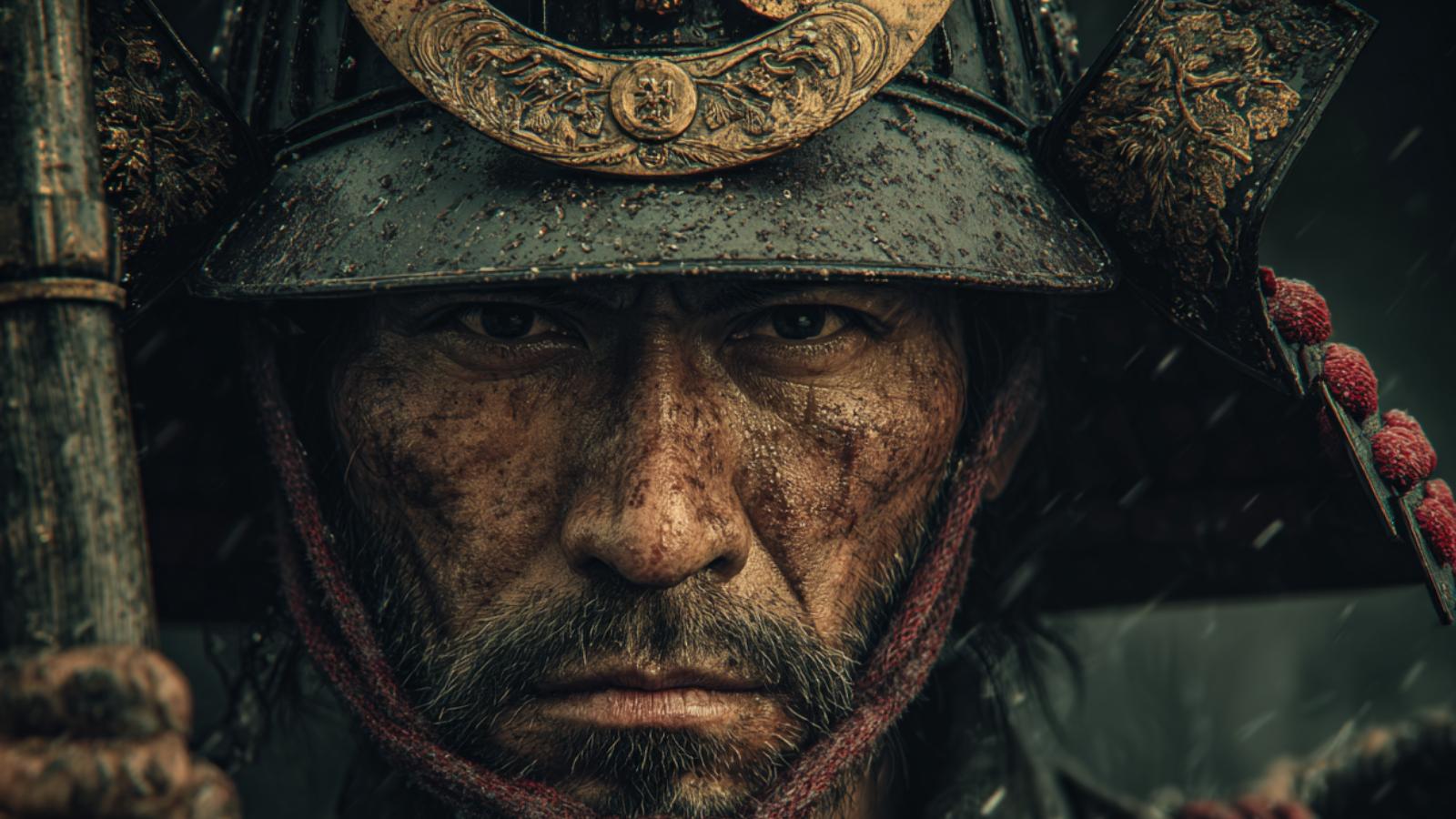
“刀は地にあり、心を持て。”
— The sword lies on the ground, but the heart must be present.

| Lead 統率 |
Valor 武勇 |
Intel 知略 |
Pol 政治 |
|---|---|---|---|
| 82 | 70 | 88 | 75 |
| Name (JP) | 五郎入道 正宗 |
|---|---|
| Title | Swordsmith |
| Clan / Force | Unknown |
| Era | 1264 – 1343 |
| Origin | Mutsu |
| Key Battles | |
| Arts | Swordsmithing |
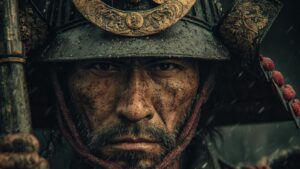
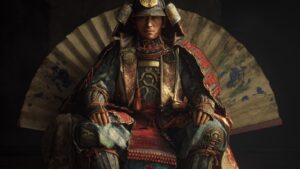
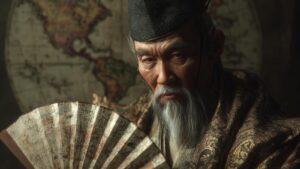
About Goro Nyudo Masamune
Little is known about his, but it is believed that he came from humble beginnings with a natural talent for metallurgy and craftsmanship.
His skills were honed through years of apprenticeship, and he eventually became one of the most sought-after swordsmiths in Japan.
Masamunes innovative techniques and meticulous attention to detail elevated his work above that of his contemporaries.
He became known for producing blades that were not only beautiful but also possessed exceptional cutting ability and durability.
His swords, particularly the Masamune line, became legendary for their quality, earning him a reputation as one of the greatest swordsmiths in history.
Although Goro Nyudo Masamune did not directly engage in military conflicts, his swords were wielded by many notable samurai and warriors.
The durability and sharpness of a Masamune sword often made the difference in, contributing to the success of those who fought with them.
The famous Kusanagi sword, associated with the Imperial family, is said to have been crafted by Masamune himself, symbolizing the importance of his work in the context of Japans warrior culture.
Masamunes transcends his lifetime, and he left an indelible mark on Japanese culture.
His swords are cherished artifacts, often viewed as family heirlooms or artworks.
The term Masamune has become synonymous with excellence in swordsmithing, and modern craftsmen still strive to emulate his techniques.
His life and works continue to inspire artists and collectors alike, solidifying his status as a cultural icon in Japan.
comment