
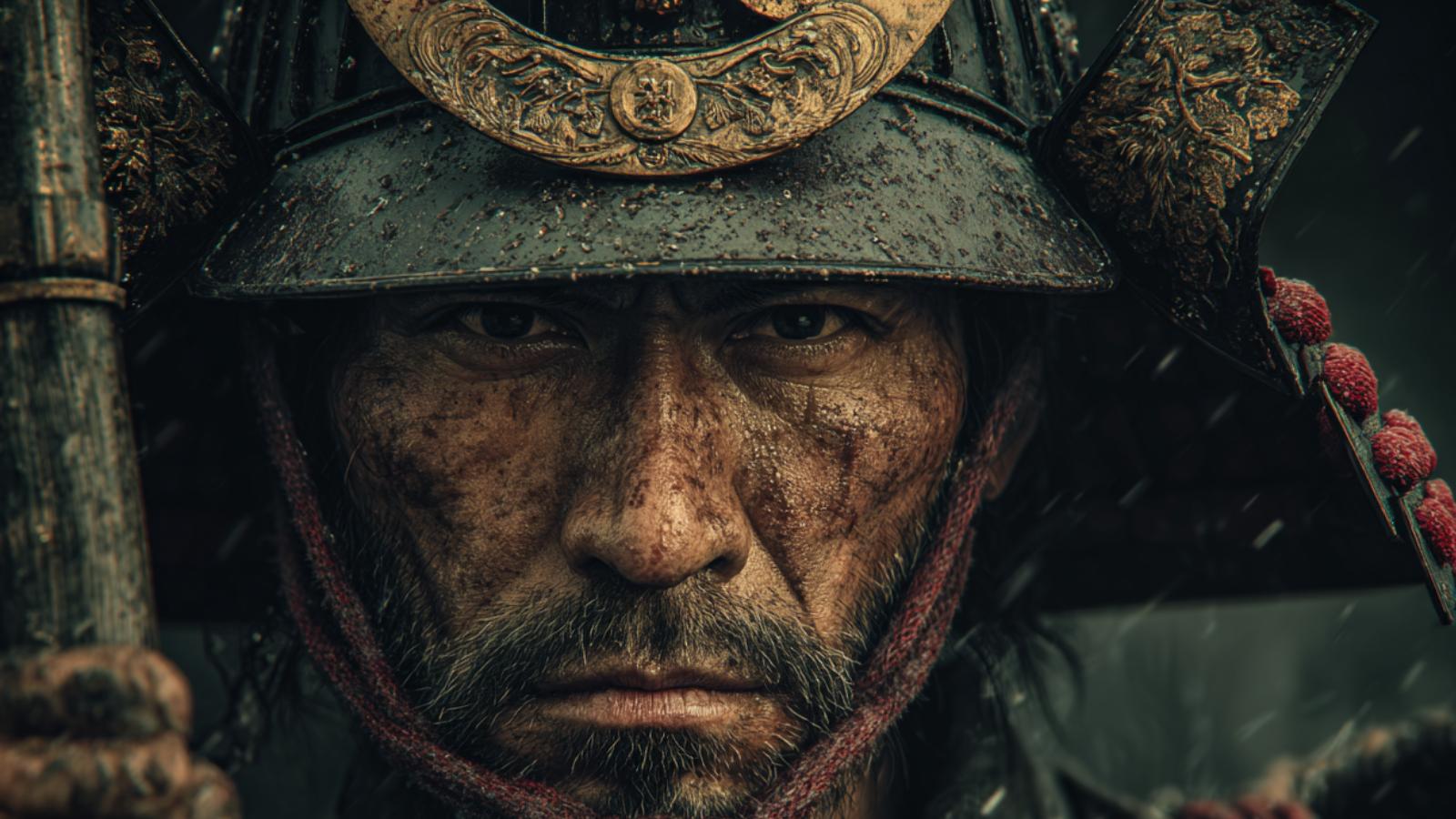
“道に迷ったら、心を静めて歩むことだ。”
— When lost on the path, calm your heart and walk.

| Lead 統率 |
Valor 武勇 |
Intel 知略 |
Pol 政治 |
|---|---|---|---|
| 73 | 65 | 88 | 80 |
| Name (JP) | 隠元 隆琦 |
|---|---|
| Title | Zen Master |
| Clan / Force | Unknown |
| Era | 1592 – 1669 |
| Origin | Hizen |
| Key Battles | |
| Arts | Zen Buddhism |
About Ingen Ryuki
From a young age, he displayed a profound interest in Zen Buddhism and sought to deepen his understanding of it.
As a youth, he traveled to China to study under prominent Zen masters, immersing himself in the culture and philosophy that shaped his beliefs.
Upon returning to Japan, Ingen Ryuki established a Zen temple, which became a hub for cultural exchange between Japan and China.
His teachings emphasized mindfulness, simplicity, and the interconnectedness of all life.
He attracted many followers, including samurai and influential figures of the time, establishing himself as a respected Zen master who promoted the arts, including ink painting and tea ceremonies.
Though not a general in the traditional sense, Ingens influence extended to the political realm, where his teachings guided several samurai leaders in their governance.
He was often sought after for advice on matters of state and diplomacy, which contributed to the stabilization of the region during the Edo period.
His unique perspective on Zen philosophy also influenced military strategy, as he taught that peace and calmness in mind could lead to better decision-making in conflict situations.
Ingen Ryuki passed away in 1669, leaving behind a lasting of cultural and spiritual influence.
His work paved the way for the integration of Zen Buddhism into Japanese society, emphasizing its relevance beyond just religious practice.
Today, he is remembered not only as a Zen master but as a cultural bridge between Japan and China, with his teachings still resonating in various fields of Japanese culture and philosophy.




comment