
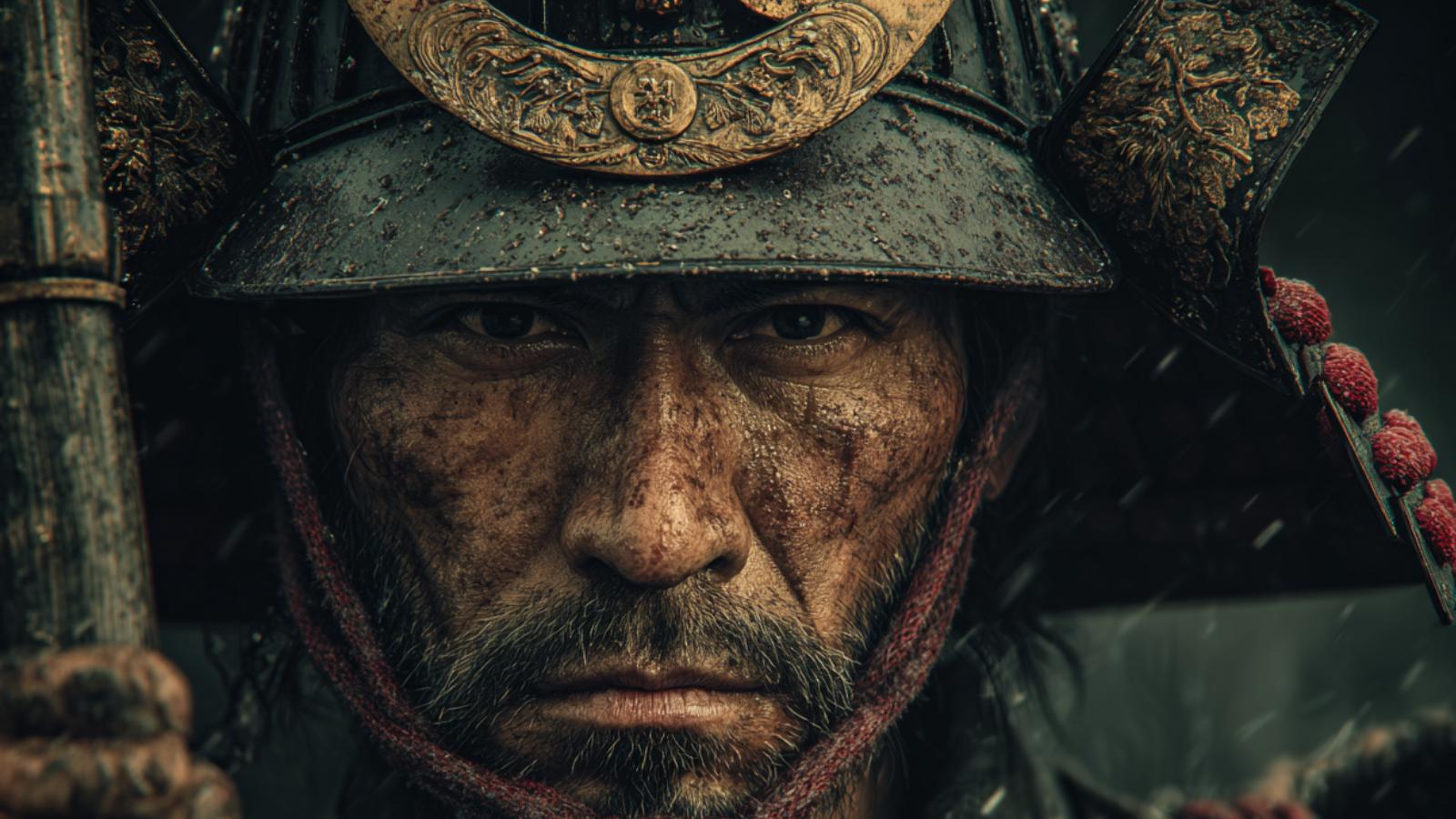
“戦は常に勝つとは限らぬ。慎重に、そして冷静に進むことが肝要である。”
— War does not always guarantee victory. It is essential to proceed cautiously and calmly.

| Lead 統率 |
Valor 武勇 |
Intel 知略 |
Pol 政治 |
|---|---|---|---|
| 70 | 65 | 75 | 60 |
| Name (JP) | 木村 重茲 |
|---|---|
| Title | Chief Retainer |
| Clan / Force | Tokugawa Clan |
| Era | 1523 – 1608 |
| Origin | Mikawa |
| Key Battles | |
| Arts | Martial Arts |
About Kimura Shigekore
From a young age, he was trained in the arts of war and strategy, a necessity during the constantly shifting alliances of the Sengoku period.
He quickly gained a reputation for not only his martial skills but also his keen strategic mind.
Shigekore rose to prominence as a trusted retainer of the powerful warlord Tokugawa Ieyasu.
Proving himself in several skirmishes, he earned the of Chief Retainer thanks to his ability to command troops effectively, showcasing a combination of valor and intelligence.
He played a crucial role during the campaigns to stabilize Tokugawas rule over Mikawa and surrounding territories, often acting as Ieyasus right hand in military matters.
Throughout his career, Kimura participated in numerous significant, such as the of Mikata-ga-hara and Nagashino.
His tactical decisions often tilted the scales of battle, helping to secure victories for Tokugawas forces.
Although he was not the most renowned fighter, his collaboration with skilled generals and his ability to inspire his men proved invaluable, cementing his as a capable general of his time.
Kimura Shigekores contributions to his lords campaigns helped lay the groundwork for the of the Tokugawa shogunate.
After Ieyasu consolidated power, Shigekore was remembered not just as a warrior but as a sage who understood the importance of strategy and leadership.
His words continued to echo through the ages, reminding future generations that wisdom is as vital as strength in the art of war.









comment