
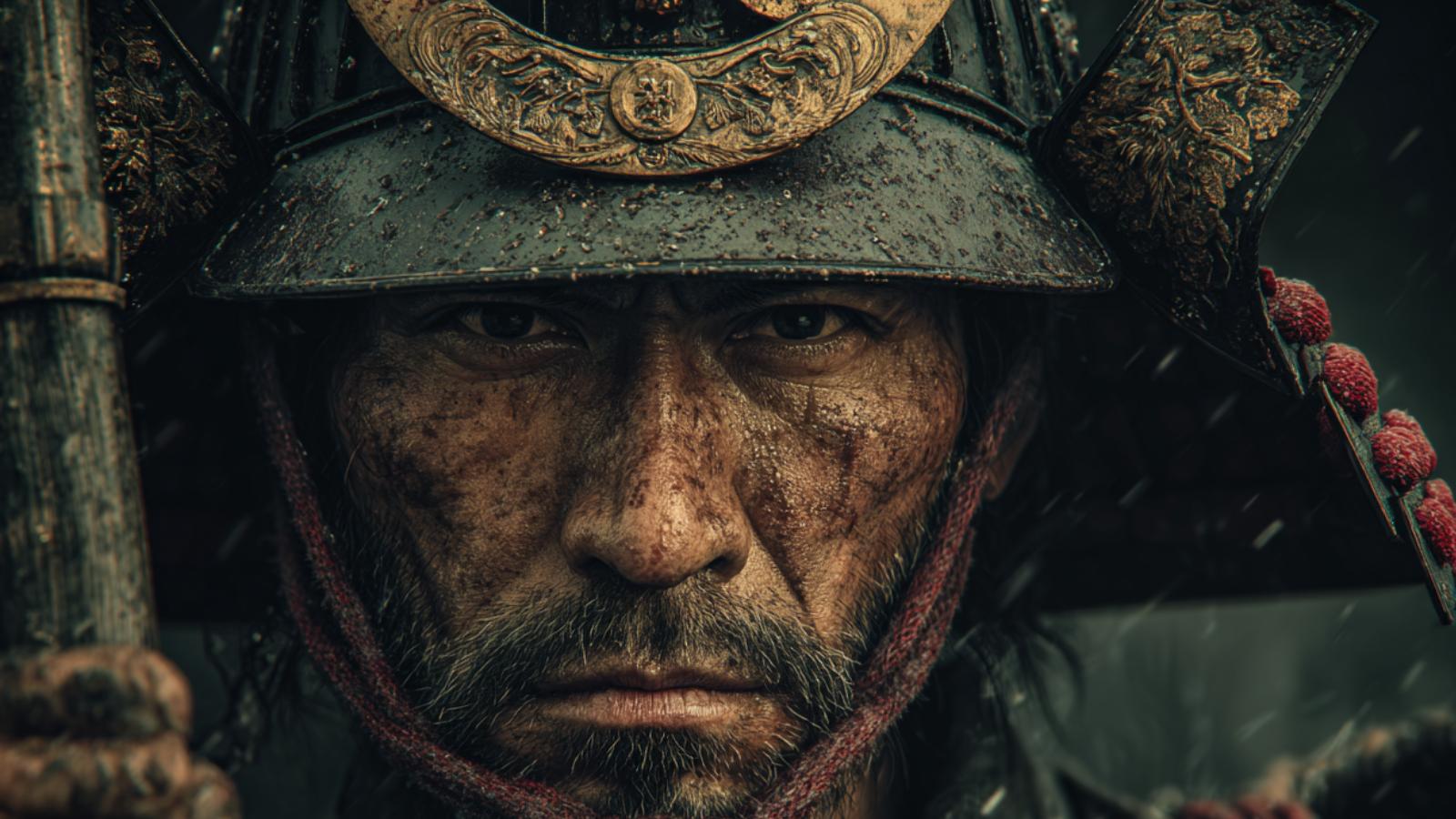
“戦の舞台では、強者の剣が運命を切り開く。”
— On the battlefield, the sword of the strong carves the path of destiny.

| Lead 統率 |
Valor 武勇 |
Intel 知略 |
Pol 政治 |
|---|---|---|---|
| 75 | 70 | 78 | 65 |
| Name (JP) | 海野 六郎 |
|---|---|
| Title | Samurai |
| Clan / Force | Unknown |
| Era | 1552 – 1600 |
| Origin | Shinano |
| Key Battles | |
| Arts | Martial Arts |
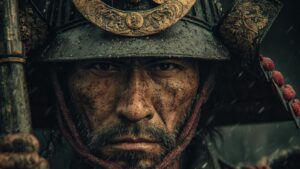
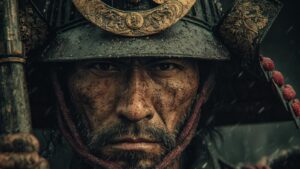
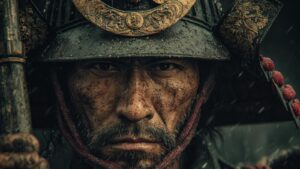
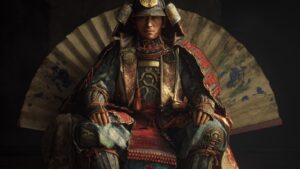
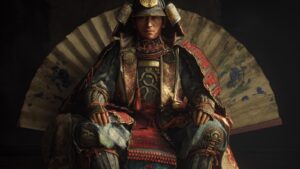
About Unno Rokuro
Coming from a samurai lineage, he was raised in an environment rich in martial tradition.
From an early age, he exhibited a keen interest in swordsmanship and the strategies of war, influenced by tales of legendary generals.
His training was rigorous, honing his skills in both combat and the arts of war.
During the tumultuous Sengoku period, Rokuro aligned himself with the powerful warlord Takeda Shingen.
Under Shingens command, he participated in numerous, earning respect for his tactical decisions and bravery on the battlefield.
Despite being overshadowed by more famous figures, Rokuro distinguished himself in several key engagements, contributing to the Takeda clans reputation as a formidable force in the region.
Rokuros military career was marked by participation in several significant, including the Battle of Kawanakajima.
Known for his valor, he often led small units into the thick of combat, demonstrating both leadership and combat effectiveness.
His ability to adapt to changing situations on the battlefield and his loyalty to the Takeda clan solidified his status as a capable general, if not a legendary one.
Rokuros life came to an end during the ever-shifting power dynamics following Takeda Shingens death in 1573.
He continued to serve the Takeda remnants against rising foes but ultimately fell in battle in 1600.
Although he may not be as well-known as some of his contemporaries, Unno Rokuros contributions to his clan and the era’s military landscape reflect the spirit of the samurai, a dedication to duty and a mastery of the sword.
comment