
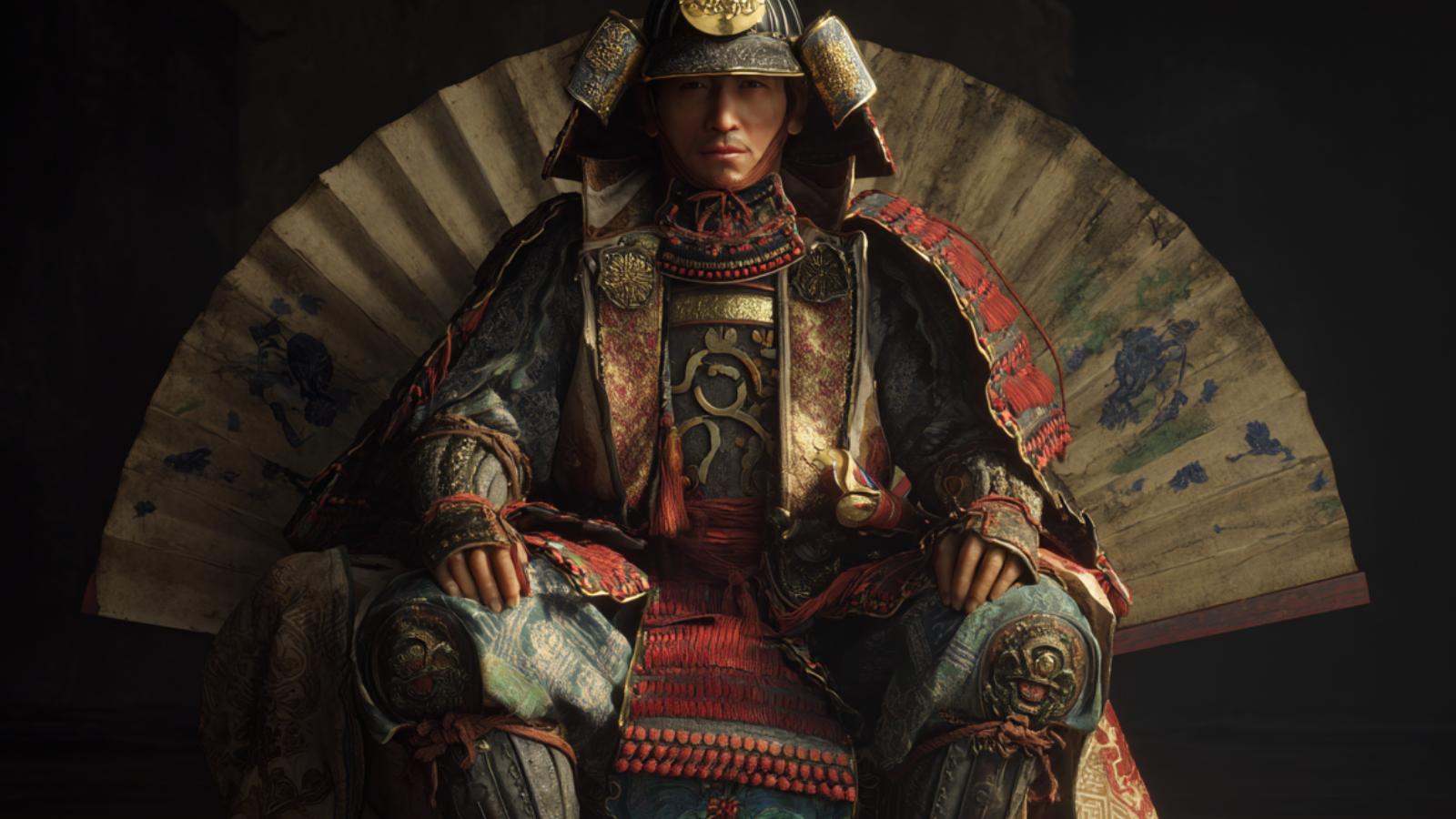
“我が心に 剣あり”
— A sword resides in my heart.

| Lead 統率 |
Valor 武勇 |
Intel 知略 |
Pol 政治 |
|---|---|---|---|
| 75 | 68 | 80 | 70 |
| Name (JP) | 長尾 藤景 |
|---|---|
| Title | Daimyo |
| Clan / Force | Uesugi Clan |
| Era | 1530 – 1575 |
| Origin | Echigo |
| Key Battles | |
| Arts | Calligraphy |
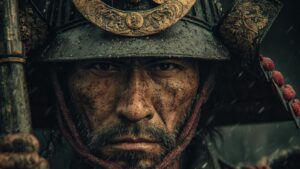
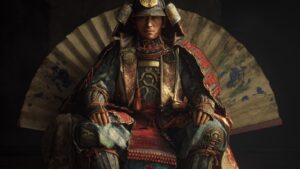
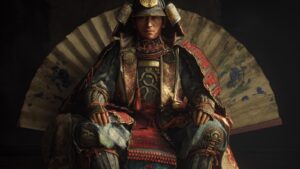
About Nagao Fujikage
Raised in a militaristic environment, Fujikage was heavily influenced by the ongoing conflicts of the Sengoku period, shaping his ambitions to become a formidable daimyo.
Educated in the arts of war and governance, he earned a reputation for tactical acumen from a young age.
Fujikage began his to prominence during the chaotic power struggles of the Sengoku era, aligning himself with larger clans while maintaining a keen eye for opportunity.
His early victories enhanced his status and inspired loyalty among his retainers.
He adopted various strategies, showcasing his intelligence in both battlefield tactics and diplomatic maneuvering.
His leadership earned him recognition that surpassed that of many contemporaries of his time.
Throughout his career, Nagao Fujikage engaged in numerous, notably against the Uesugi clan rivals, where his skills in swift and decisive action often turned the tide.
He was admired not only for his martial ability but also for his strategic decisions that encompassed alliances and territories.
Fujikages in battle grew as he navigated the complexities of allegiances, always aiming to expand his influence across Edo.
Nagao Fujikages impact on the history of Japans Sengoku period cannot be understated.
Though his life was cut short in the against the Uesugi clan in 1575, his contributions set the groundwork for future generations of samurai.
He is remembered as a capable and respected leader, eming the samurai virtues of honor and courage.
Even today, his quotes inspire warriors and leaders alike, reflecting his enduring influence in Japanese history.
comment