
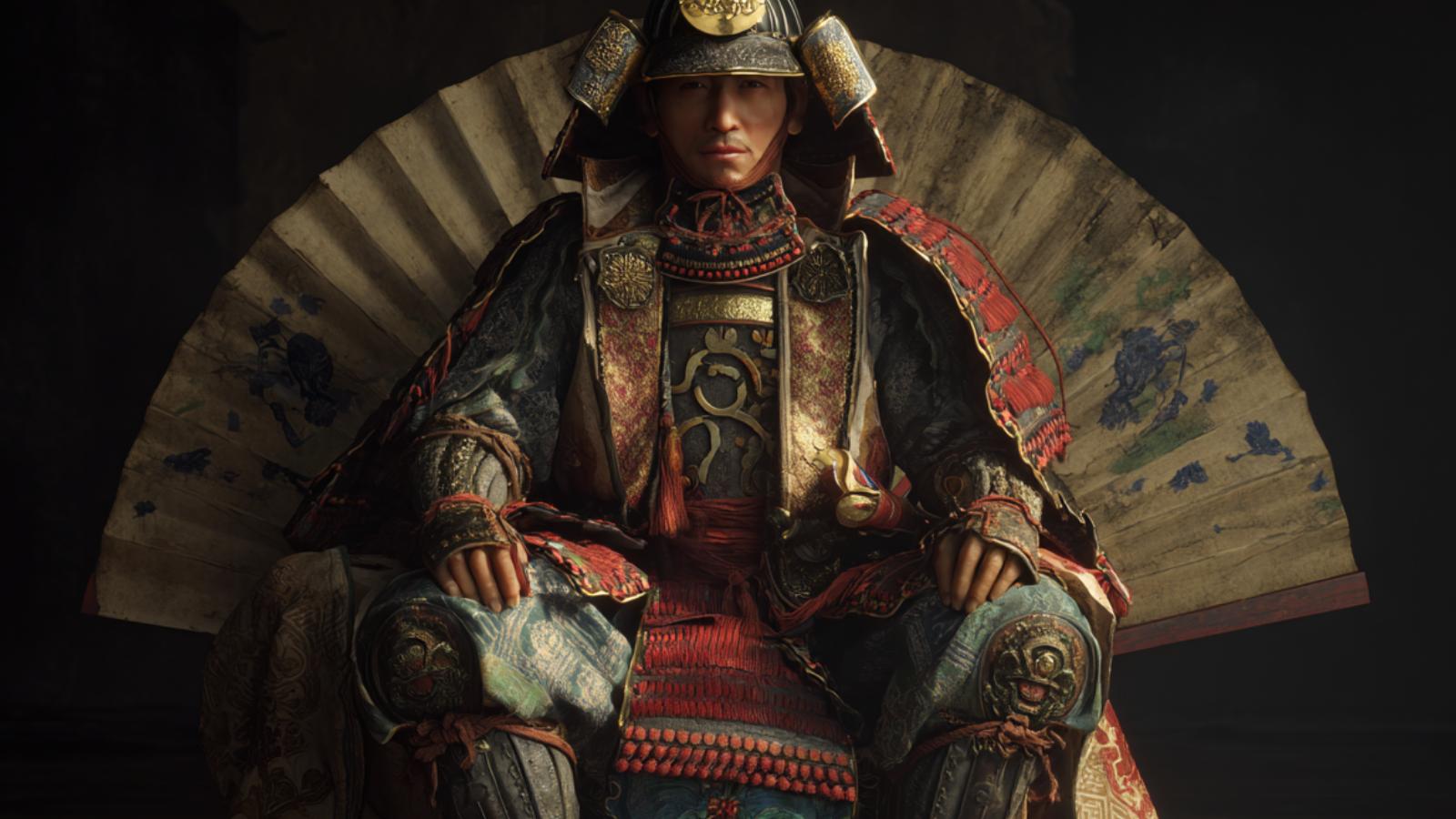
“勝者は歴史を作る。”
— The victor writes history.

| Lead 統率 |
Valor 武勇 |
Intel 知略 |
Pol 政治 |
|---|---|---|---|
| 72 | 65 | 75 | 68 |
| Name (JP) | 奥村 易英 |
|---|---|
| Title | Daimyo |
| Clan / Force | Unknown |
| Era | 1559 – 1621 |
| Origin | Ise |
| Key Battles | |
| Arts | Noh Theater |
About Okumura Yasuhide
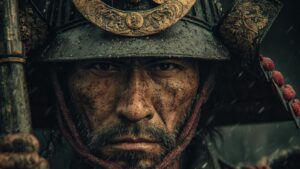
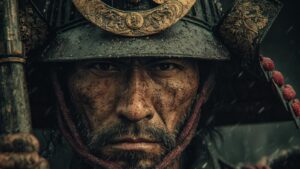
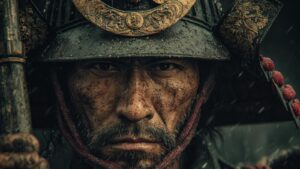
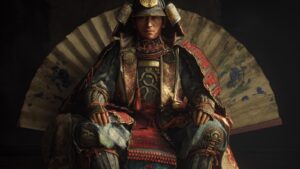
He grew up during a time of intense conflict among the warring states of Japan, which cultivated his ambition and sense of duty.
Learning the arts of war and governance under the tutelage of various local warlords, he developed a keen understanding of strategy and leadership.
By the time he was in his twenties, Yasuhide had gained a reputation for his tactical acumen.
Initially serving under the banner of more prominent daimyos, he swiftly moved up the ranks due to his prowess in minor .
His ability to govern territories efficiently helped consolidate his power.
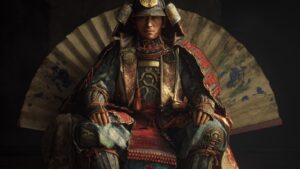
In 1582, he was granted his own fiefdom and ascended to the status of daimyo.
Yasuhide participated in several key conflicts during the late 16th century, showcasing both his leadership and valor.
He played a significant role in the famous of Sekigahara and Kanto, where his tactical decisions often turned the tide in favor of his allies.
While not the strongest fighter in personal combat, his strategic deployment of troops and resources earned him respect among peers and opponents alike.
Okumura Yasuhide’s contributions during the Sengoku period had a lasting impact on the regions he governed.
Known for his diplomacy and governance skills, he laid the foundations for his descendants to thrive in a newly unified Japan.
His is remembered through his writings on strategy and governance, and he is celebrated in local folklore as a wise and capable leader.
comment