
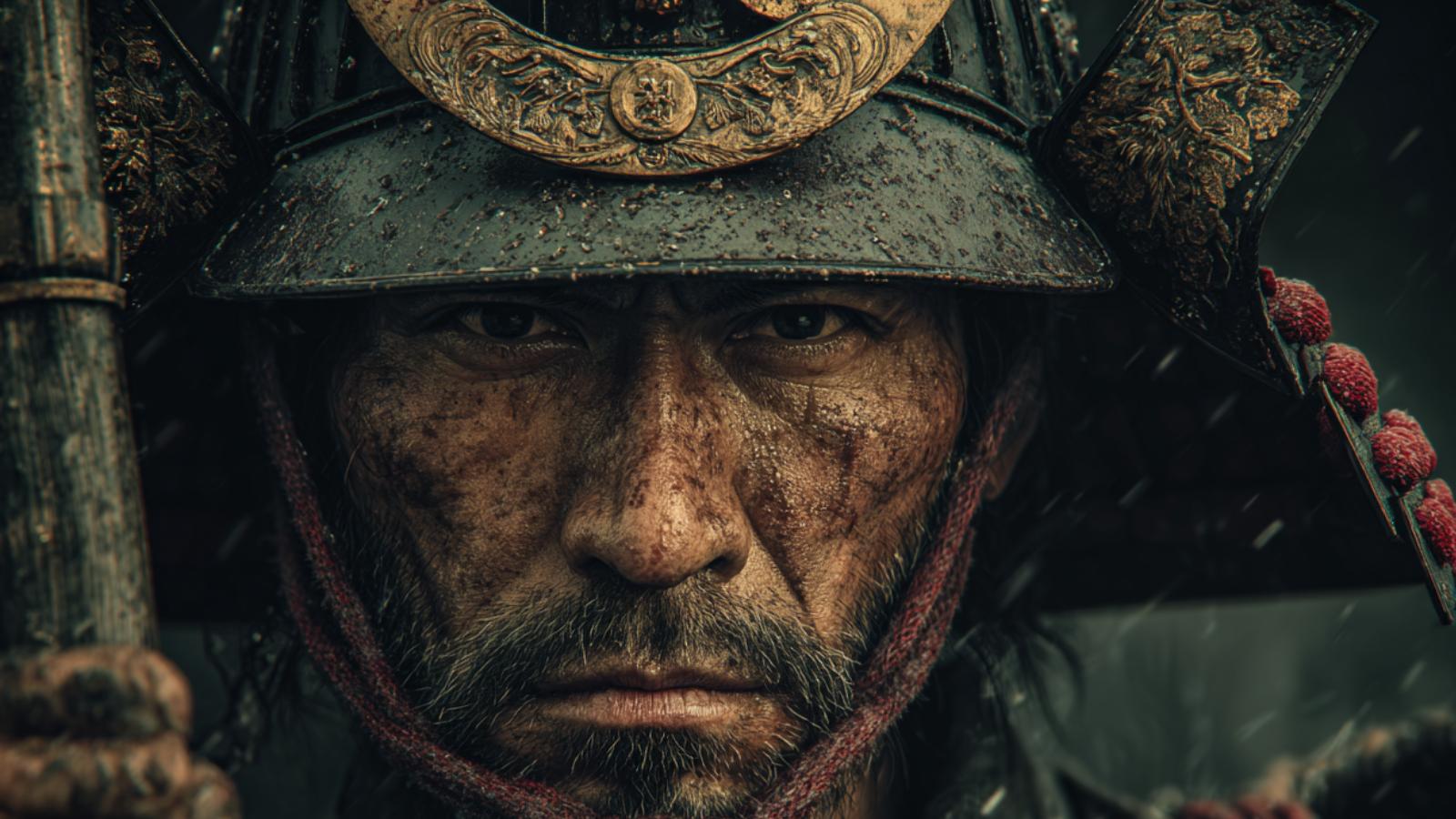
“剣を持つ者、心を持つ者。”
— He who wields the sword, wields the heart.

| Lead 統率 |
Valor 武勇 |
Intel 知略 |
Pol 政治 |
|---|---|---|---|
| 72 | 75 | 68 | 55 |
| Name (JP) | 筧 十蔵 |
|---|---|
| Title | Samurai |
| Clan / Force | Unknown |
| Era | 1560 – 1647 |
| Origin | Kagawa |
| Key Battles | |
| Arts | Martial Arts |
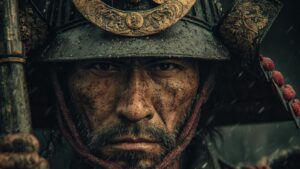
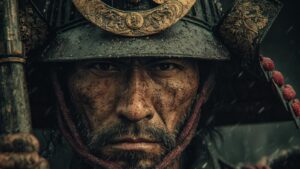
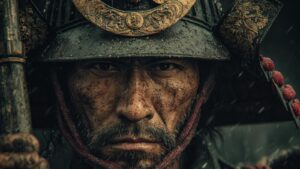
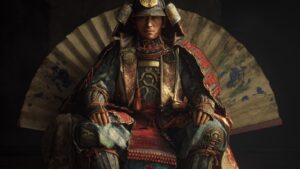
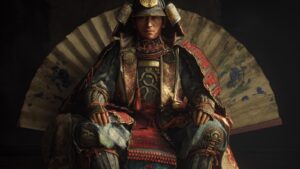
About Kakei Juzo
Raised during the near-constant warfare of the era, he developed a strong affinity for martial arts from a young age.
His family emphasized the importance of honor and duty, shaping his character and ambitions as a samurai.
Kakeis early training included not only swordsmanship but also strategy, preparing him for the challenging times ahead.
As Juzo matured, he aligned himself with various local lords and developed a reputation for bravery in battle.
Despite the chaos of the Warring States period, he managed to establish himself as a reliable retainer, known for his tactical mind and the ability to inspire those around him.
His loyalty to his lord earned him important assignments and increased his stature within the samurai community.
Throughout his career, Kakei participated in numerous, showcasing his fighting skills and strategic thinking.
He was particularly adept at organizing troops in the heat of battle and often led charges against enemy lines.
His valor on the battlefield was recognized, earning respect even from adversaries.
Though he faced several defeats, Kakeis cunning often turned the tide in pivotal moments, and he remained a steadfast figure amidst the shifting allegiances of the time.
After many years of service, Kakei Juzo eventually retired from active combat but continued to impart his knowledge of martial arts and strategy to younger generations.
His insights and teachings left an enduring impact on the samurai of Kagawa and surrounding provinces.
His life story is often told as a reminder of the importance of honor, loyalty, and the way of the warrior in tumultuous times.
Today, he is remembered as a figure who bridged the traditional values of the samurai with the changing landscape of early modern Japan.
comment