
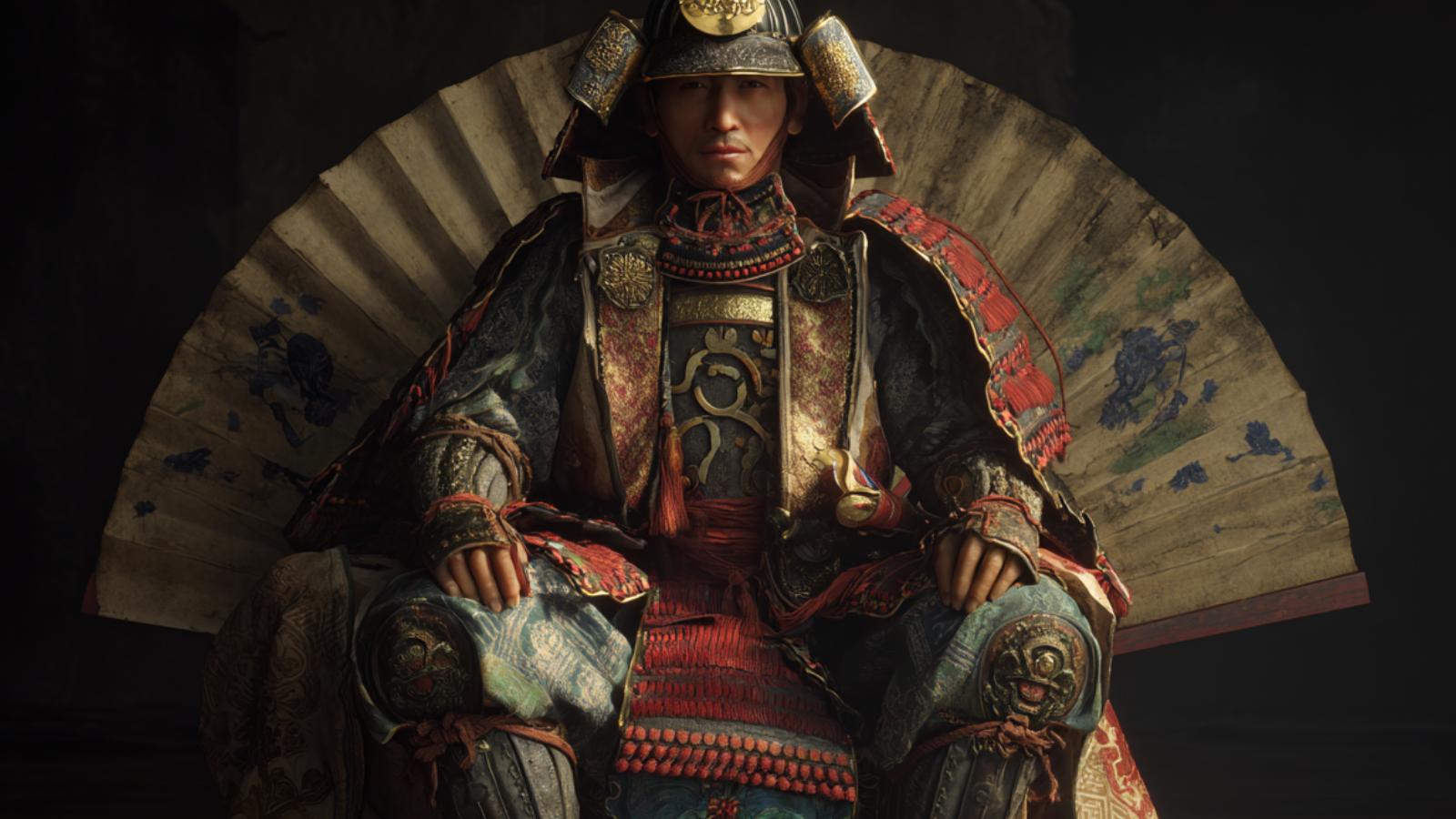
“勝利は私の手の中にある。”
— Victory lies within my grasp.

| Lead 統率 |
Valor 武勇 |
Intel 知略 |
Pol 政治 |
|---|---|---|---|
| 85 | 70 | 80 | 76 |
| Name (JP) | 北条 氏光 |
|---|---|
| Title | Daimyo |
| Clan / Force | Hojo Clan |
| Era | 1500 – 1571 |
| Origin | Sagami |
| Key Battles | |
| Arts | Noh Theatre |
About Hojo Ujimitsu
As a member of the Shugo lineage, he was groomed for leadership from a young age, deeply immersed in the political and military affairs of his family.
His upbringing instilled in him a sense of duty and a keen understanding of governance, which would later define his rule.
Ujimitsu came to emthe values of loyalty and honor, essential tenets in feudal Japan.
Ujimitsu ascended to prominence following the death of his father, Hojo Ujitsuna, around 1541.
He quickly took charge of the family’s extensive territories and embarked on a campaign to solidify their power.
Ujimitsu was known for his strategic alliances and diplomatic tactics, allowing the Hojo clan to maintain a stable grip over the Kanto region amidst the chaos of warring factions, notably against rivals like the Takeda and Uesugi clans.
His leadership saw the strengthening of fortifications, particularly at Odawara Castle, which became a symbol of his authority.
Throughout his reign, Ujimitsu faced several military challenges.
He skillfully led his troops in various engagements, showcasing his capabilities in battle, although he preferred shrewd strategies over direct confrontation.
His diplomacy often led to favorable outcomes that avoided bloodshed.
Nevertheless, he did lead his forces in conflicts against the Uesugi in the late 1550s, where he demonstrated both valor and tactical insight, ensuring the survival of his clan against overwhelming odds.
Hojo Ujimitsu is remembered as an effective and stable ruler who valued both military prowess and cultural enrichment.
He was a patron of the arts, particularly Noh theatre, and sought to elevate the cultural standing of his domain.
His reign marked a period of relative peace and prosperity for the Hojo domain until the eventual of Toyotomi Hideyoshi precipitated the fall of every major clan in Japan.
Ujimitsu’s lives on in the historical narrative of Japan, illustrating the dynamic interplay of warfare, politics, and culture during one of the nation’s most transformative eras.









comment