
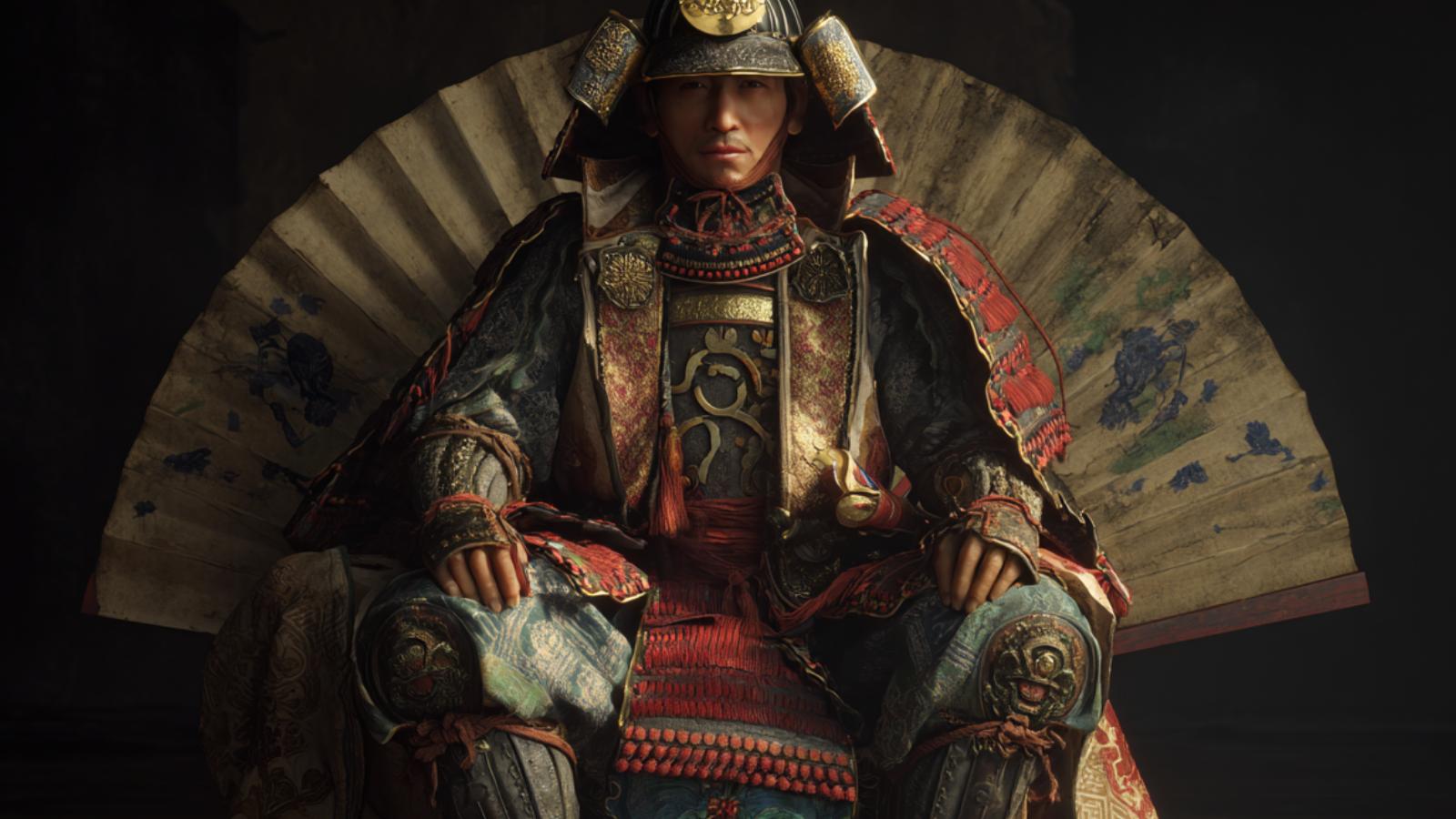
“戦いは栄光のためではなく、国のためにある。”
— Battles are not for glory, but for the sake of the country.

| Lead 統率 |
Valor 武勇 |
Intel 知略 |
Pol 政治 |
|---|---|---|---|
| 75 | 70 | 80 | 65 |
| Name (JP) | 北条 氏忠 |
|---|---|
| Title | Daimyo |
| Clan / Force | Hojo Clan |
| Era | 1535 – 1590 |
| Origin | Musashi |
| Key Battles | |
| Arts | Noh Theatre |
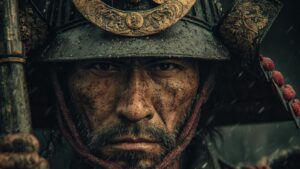
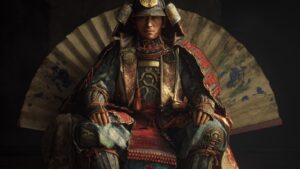
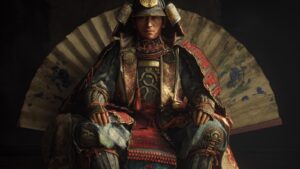
About Hojo Ujitada
As a member of the illustrious Hojo clan, which had historical roots in the Kanto region, he inherited a of military and political maneuvering.
Ujitada was well-educated, leaning heavily into the arts and strategy, which shaped his early understanding of both combat and governance.
Ujitada rose to prominence during a critical phase in Japanese history as feudal lords vied for power.
After the death of his father, he assumed control of the familys territories, navigating through intrigues and alliances.
His leadership style emphasized not only military might but also shrewd negotiations with rival clans, which facilitated stability within his domain.
Ujitada became known for his tactical acumen and an ability to maintain peace during chaotic times.
Throughout his life, Ujitada faced numerous challenges, both from external threats and internal strife.
Notable during his reign included skirmishes against the Takeda clan and navigating the complex landscape created by the ascendance of Toyotomi Hideyoshi.
His strategies often involved utilizing the terrain to his advantage, and he was respected for his ability to lead troops effectively in combat.
Ujitada was not just a leader but also actively fought alongside his men, earning their loyalty and respect.
Ujitadas is deeply entrenched within the historical context of the late Sengoku period and the early days of the Tokugawa shogunate.
After his death in 1590, he was remembered as a capable and strategic leader who helped to solidify the power of his family in a rapidly changing Japan.
His contributions to governance and the arts, especially Noh theatre, resonate through history, illustrating how feudal lords influenced both the battlefield and cultural life.
Ujitada stands as a figure who exemplified the dual paths of military leadership and cultural patronage, leaving an indelible mark on the history of the Kanto region.
comment