

“戦の智恵は、勇者の刀よりも鋭い。”
— The wisdom of war is sharper than a brave warrior’s blade.

| Lead 統率 |
Valor 武勇 |
Intel 知略 |
Pol 政治 |
|---|---|---|---|
| 68 | 72 | 62 | 65 |
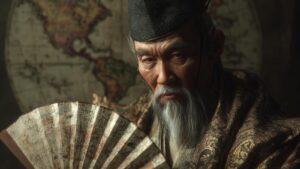
| Name (JP) | 三戸 政康 |
|---|---|
| Title | Daimyo |
| Clan / Force | Uesugi Clan |
| Era | 1526 – 1587 |
| Origin | Mutsu |
| Key Battles | |
| Arts | Kintsugi |
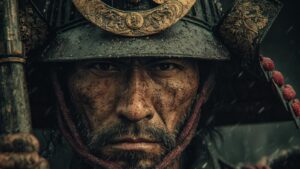
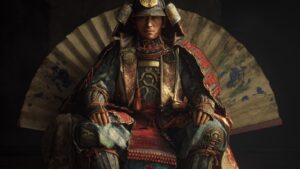
About Sannohe Masayasu
Raised within a family of status, he belonged to the Shugo lineage, which contributed to the governance of his region.
His upbringing steeped in the martial traditions of the samurai laid the groundwork for his future endeavors.
During the tumultuous Sengoku period, Sannohe began to establish his reputation as a capable general.
He demonstrated his leadership and tactical abilities in various local, gradually gaining influence within the region.
Despite not having the same level of notoriety as some of his contemporaries, he played a crucial role in maintaining stability within Mutsu in the face of external pressures.
Masayasu took part in several key and skirmishes while aligning with other daimyos.
His military acumen allowed him to achieve notable victories against rival factions, which solidified his status as a daimyo.
His leadership in avoiding direct confrontation through strategic operations was commendable, albeit not as celebrated as that of his more famous peers.
Although Sannohe Masayasu may not be as well-known as other samurai of his time, his contributions to the Mutsu province are significant.
His ability to balance combat and diplomacy enabled him to maintain a measure of peace during a chaotic period.
Today, he is remembered for his emphasis on effort leading to victory, a philosophy that aligns with the core values of the samurai spirit.
comment