
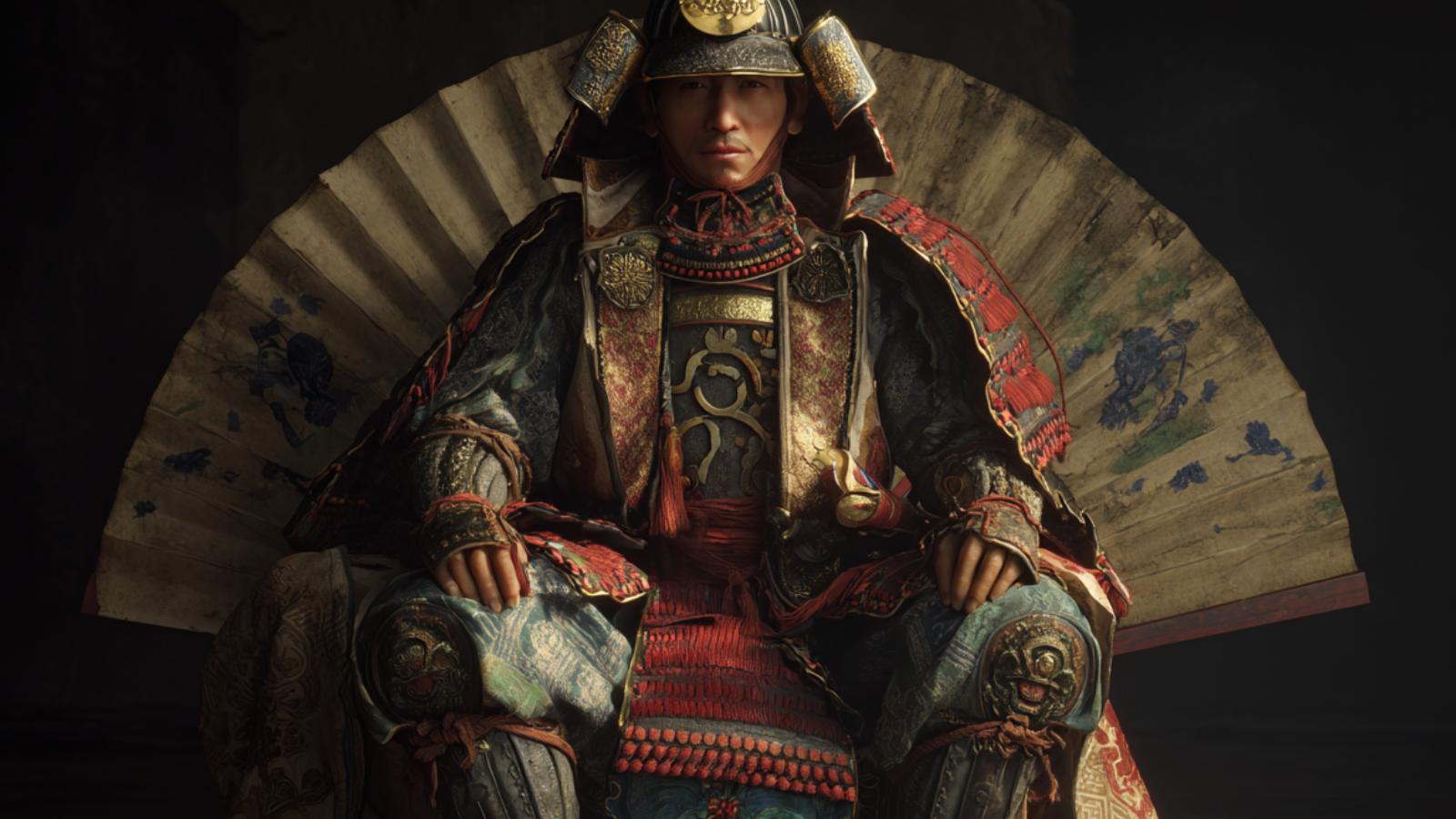
“運命は戦の中にある。”
— Destiny lies within the battle.

| Lead 統率 |
Valor 武勇 |
Intel 知略 |
Pol 政治 |
|---|---|---|---|
| 75 | 80 | 70 | 60 |
| Name (JP) | 鮭延 秀綱 |
|---|---|
| Title | Daimyo |
| Clan / Force | Takeda Clan |
| Era | 1548 – 1600 |
| Origin | Mutsu |
| Key Battles | |
| Arts | Calligraphy |
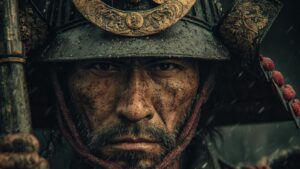
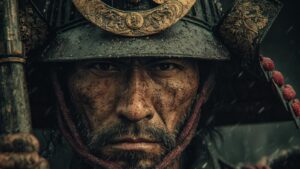
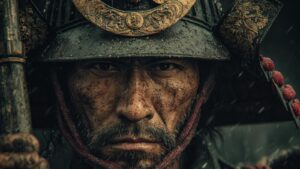
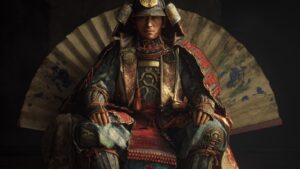
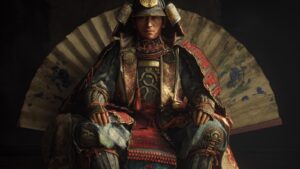
About Sakenobe Hidetsuna
His was shaped by the ongoing conflicts of the Sengoku period, where he learned the importance of strategy and martial prowess from a young age.
As a member of the samurai class, he was trained in the arts of war, calligraphy, and diplomacy, often demonstrating a strong sense of honor and duty.
Hidetsuna rose to prominence in the late 1550s as he began to take control of his familys territories.
His adeptness at leadership became evident as he managed to maintain relative stability in Mutsu during a time of chaos.
Through strategic alliances and occasional skirmishes, he carved out a significant domain, further influencing the balance of power within the region.
Known for his valor on the battlefield, Hidetsuna participated in numerous conflicts, showcasing his commitment to his allies and his tactical intelligence.
His key against rival clans emphasized his ability to coordinate troop movements and implement effective strategies.
Despite facing formidable foes, he garnered respect for his bravery and ingenuity in combat, faltering only occasionally when faced with overwhelming odds.
Sakenobe Hidetsunas is one of a capable and respected leader who contributed to the political landscape of feudal Japan.
While he may not have achieved the legendary status of some contemporaries, his influence in Mutsu is remembered through his descendants and the stories of his bravery.
His belief that destiny lies within the battle encapsulates his approach to life, where he faced every challenge head-on, motivated by honor and service to his people.
comment