
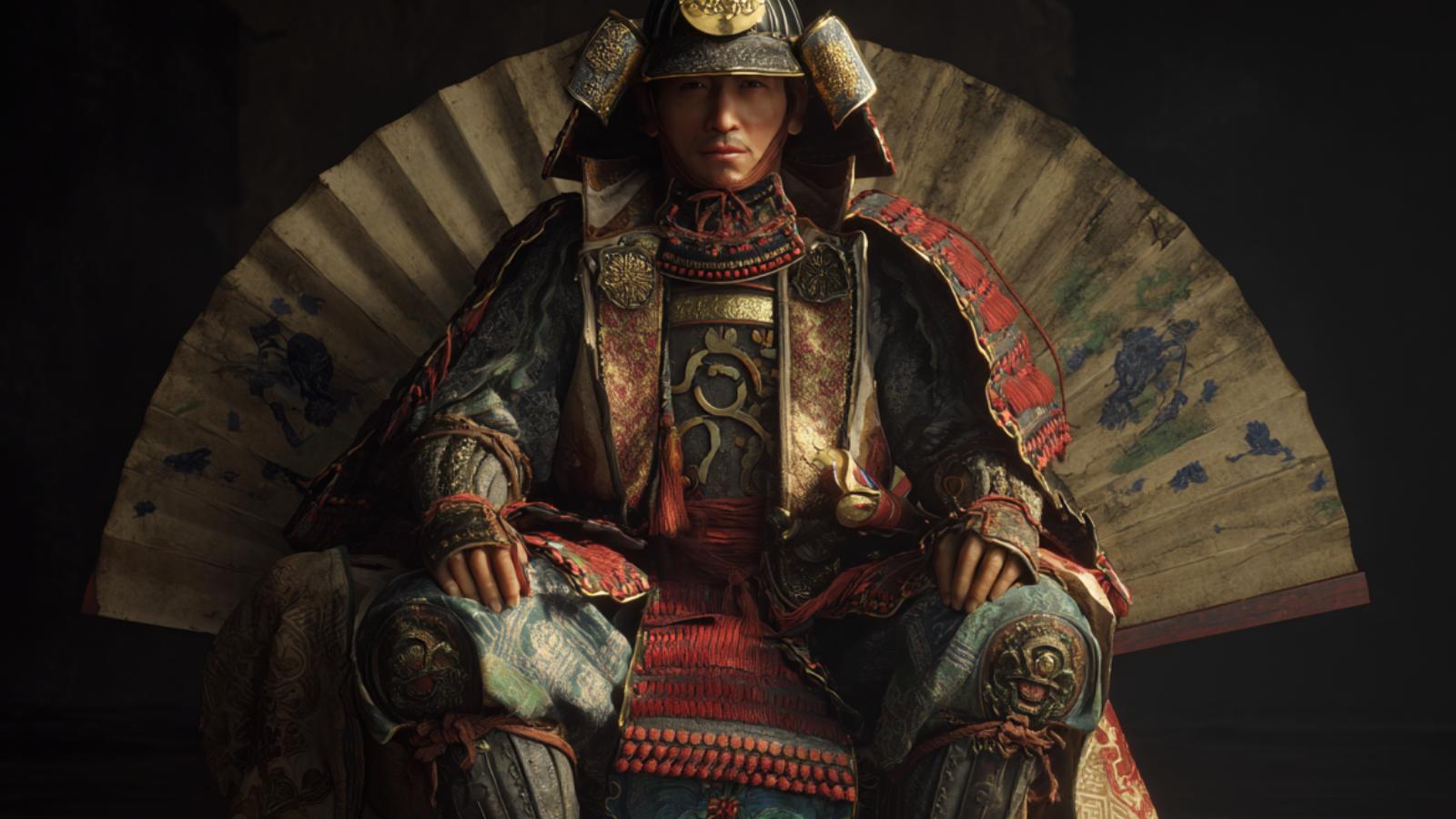
“道を示すことが武士の道である。”
— To show the way is the path of a warrior.

| Lead 統率 |
Valor 武勇 |
Intel 知略 |
Pol 政治 |
|---|---|---|---|
| 75 | 65 | 70 | 65 |
| Name (JP) | 亘理 元宗 |
|---|---|
| Title | Daimyo |
| Clan / Force | Date Clan |
| Era | 1160 – 1223 |
| Origin | Mutsu |
| Key Battles | |
| Arts | Poetry |
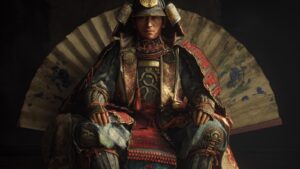
About Watari Motomune
His lineage as a Shugo placed him in a position of potential within the feudal structure, affording him the resources to train and grow in martial arts.
He showed great promise from a young age, engaging in both combat and the cultural pursuits of a samurai, such as poetry and ethics.
Throughout his early years, Motomune navigated the turbulent political landscape of the late Heian period adeptly.
He served under several powerful lords and proved his mettle in skirmishes against rival clans.
This experience honed his leadership skills and allowed him to ascend the ranks to become a Daimyo, enjoying respect for both his battlefield capability and his governance of the lands entrusted to him.
Motomunes reputation grew as he led his troops in various significant, demonstrating a commendable mix of valor and strategy.
His ability to motivate and command respect from his men solidified his status as a capable general.
While he may not have fought the bloodiest of the age, his tactical insights and judicious decision-making during engagements positioned him favorably amongst his peers and helped maintain stability in his territories, particularly during the conflicts of the Genpei War.
As a figure of the samurai class, Watari Motomunes contributions to the feudal landscape were notable, though not without challenges.
His adept governance was evidenced in his efforts to promote cultural pursuits alongside martial discipline among his vassals.
Though not as legendary as some of his contemporaries, his endures as a testament to the complexities of samurai life during the transitional periods of Japanese history.
Watari Motomune remains a revered name, symbolizing the balance between warfare and culture in the samurai ethos.




comment