
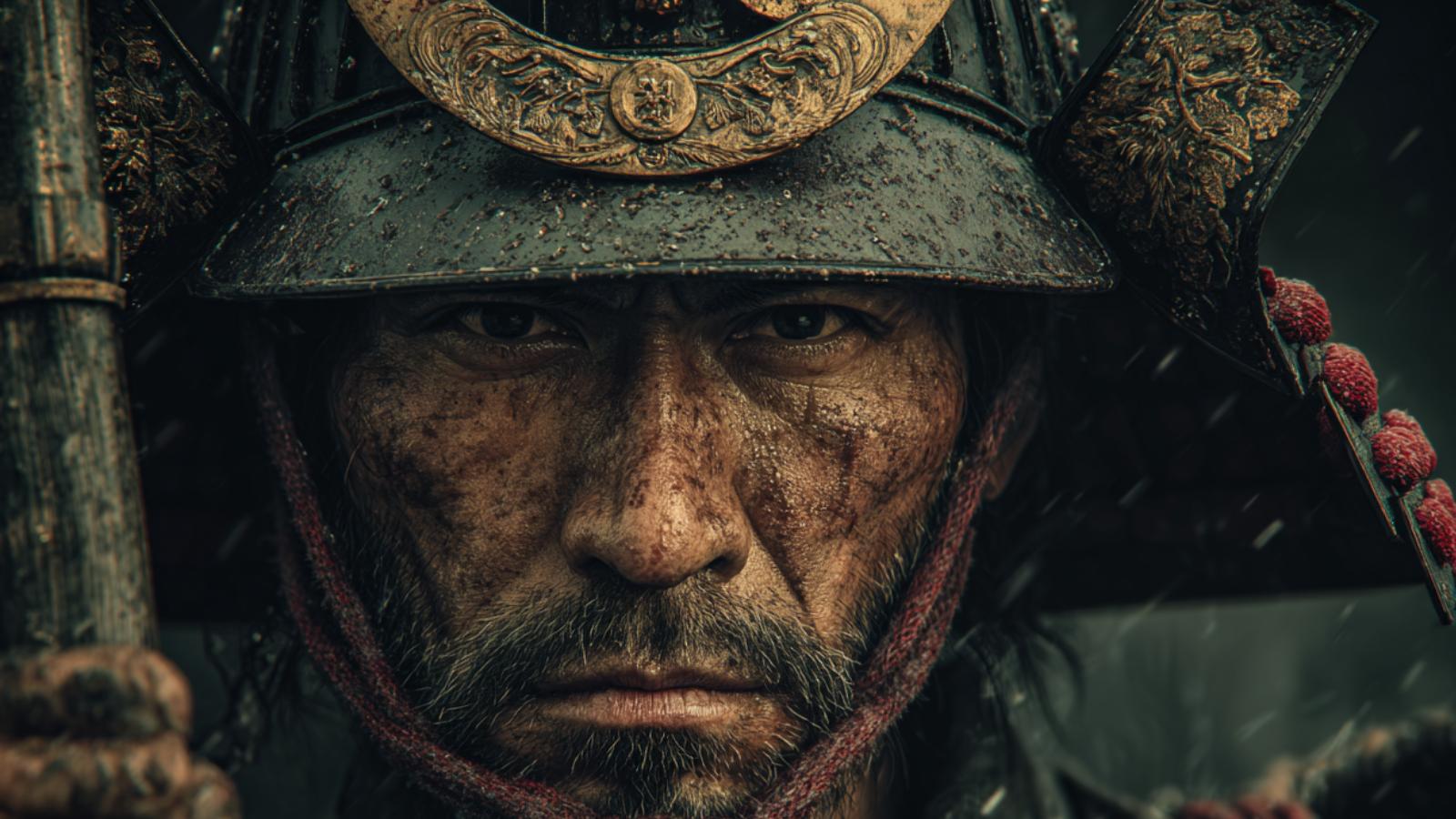
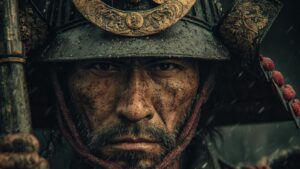
“武士の心を忘れずに生きるべし。”
— One must live without forgetting the heart of a warrior.

| Lead 統率 |
Valor 武勇 |
Intel 知略 |
Pol 政治 |
|---|---|---|---|
| 70 | 80 | 75 | 60 |
| Name (JP) | 上井 覚兼 |
|---|---|
| Title | Ronin |
| Clan / Force | Unknown |
| Era | 1558 – 1615 |
| Origin | Mutsu |
| Key Battles | |
| Arts | Martial Arts |
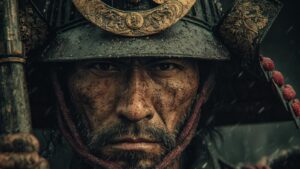
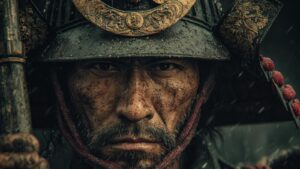
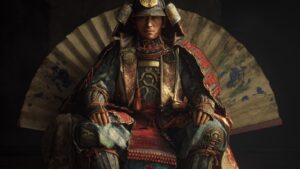
About Uwai Kakuken
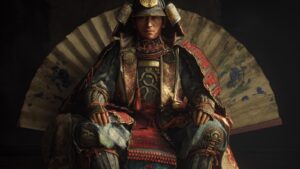
Coming from a samurai lineage, he was immersed in the martial traditions from a young age.
His early education included swordsmanship and strategy, which would serve him well in the years to come.
As a child, he was known for his tenacity and skill, quickly earning the respect of his peers and elders alike.
Kakukens to prominence began as he served under various lords during the chaotic Sengoku period.
His remarkable valor in caught the attention of his superiors, and he was often entrusted with critical missions.
He became known for his strategic acumen, enabling him to navigate the complexities of feudal warfare and shifting alliances.
Despite not holding a high official, his influence in the battlefield was undeniable, and he fostered strong bonds with fellow warriors.
Throughout his career, Kakuken participated in numerous key, demonstrating both bravery and tactical ingenuity.
He fought primarily in the conflicts that arose between warring clans aiming for control of the land.
Throughout these campaigns, he developed a reputation as a capable leader—weaving strategies that leveraged the strengths of his troops, while also displaying valor in personal combat.
His involvement in these solidified his status among the samurai of his time.
Uwai Kakukens life exemplifies the spirit of the samurai during Japans feudal age.
While he may not have achieved the fame of more distinguished generals, his contributions to the military strategies and the bonds forged with fellow samurai left a lasting impact on those he fought with.
Even today, his sayings and the philosophy he embodied are noted among historians.
Kakukens lives on, reflecting the values of courage, honor, and dedication that are the hallmark of samurai culture.
comment