
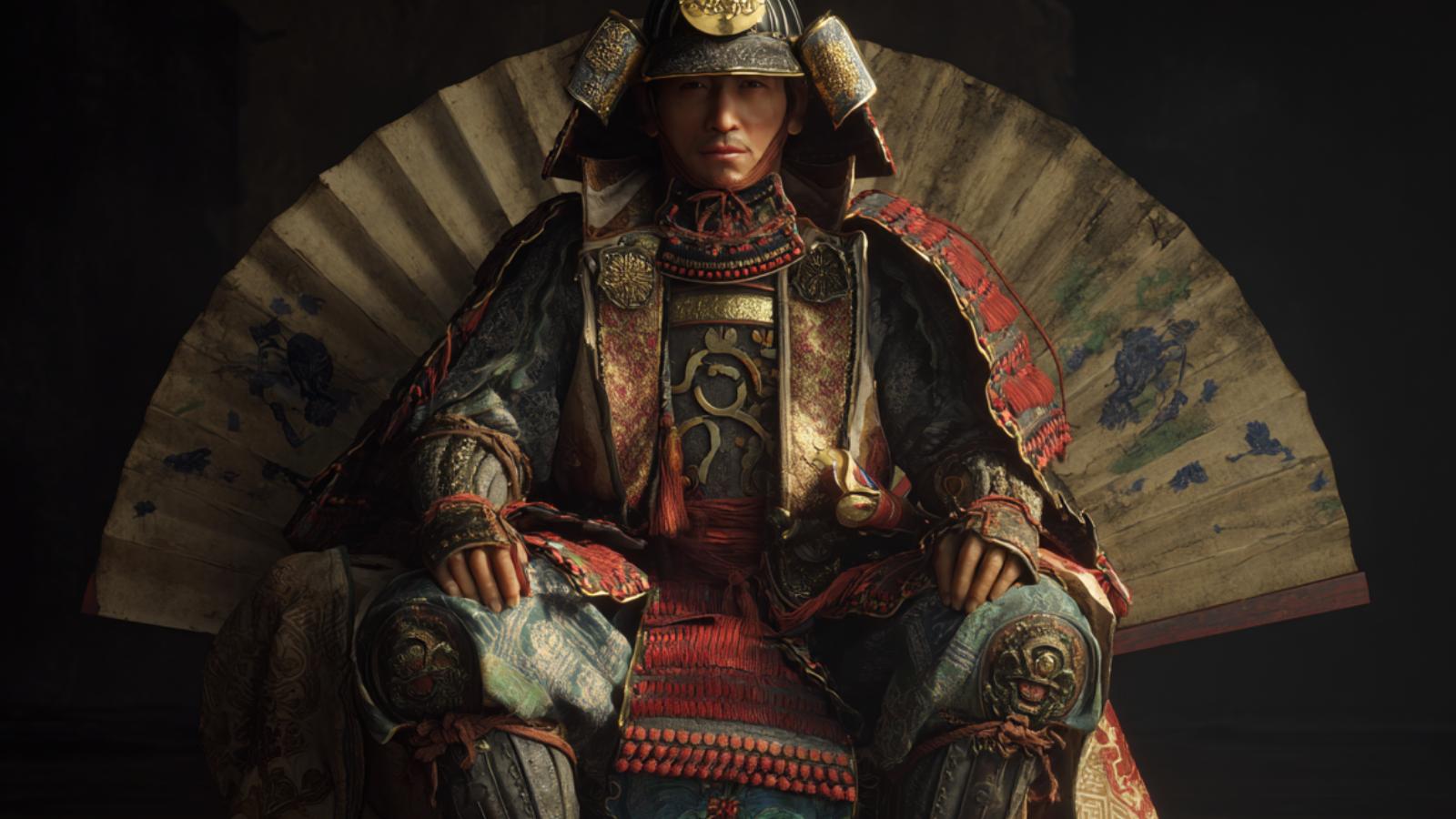
“武士は死ぬ準備を常にするべきだ。”
— A warrior should always be prepared to die.

| Lead 統率 |
Valor 武勇 |
Intel 知略 |
Pol 政治 |
|---|---|---|---|
| 75 | 70 | 65 | 68 |
| Name (JP) | 島津 久保 |
|---|---|
| Title | Daimyo |
| Clan / Force | Shimazu Clan |
| Era | 1560 – 1619 |
| Origin | Satsuma |
| Key Battles | |
| Arts | Noh Theatre |
About Shimazu Hisayasu
The clan was known for its martial prowess and significant influence in the Kyushu region of Japan.
Raised in a turbulent time marked by constant warfare, Hisayasu was groomed for a life of leadership and military service from a young age.
His familys and the teachings of his forebears instilled in him a sense of duty and honor, shaping his character as a capable leader.
Hisayasu rose to prominence as a daimyo during the late 16th century amid the upheaval of the Sengoku period.
He played a crucial role in his clans military campaigns against rival factions, particularly during confrontations with the powerful Toyotomi forces.
His strategic acumen began to unfold as he led several successful raids that fortified the Shimazu hold over Kyushu.
His ability to command men and manage resources earned him respect among his peers, allowing him to expand his territory and solidify his familys power in the region.
Throughout his military career, Hisayasu was involved in various significant that shaped the fate of his clan.
Notable among these was the conflict against the forces of Toyotomi Hideyoshi during the Kyushu Campaign in the late 1580s.
His tactical skills were put to the test as he navigated through a series of challenging engagements.
Ultimately, while faced with insurmountable odds from the unified front of Toyotomi, Hisayasus resilient spirit and determination left an enduring in the annals of Japanese history.
Shimazu Hisayasu died in 1619, leaving behind a marked by loyalty and valor.
His contributions to the Shimazu clan laid the groundwork for future generations of samurai who would continue to uphold the clan’s honor in the shifting tides of the Edo period.
Hisayasu is remembered not only as a warrior but also as a ruler who navigated the intricacies of governance and diplomacy during one of Japans most chaotic eras.









comment