
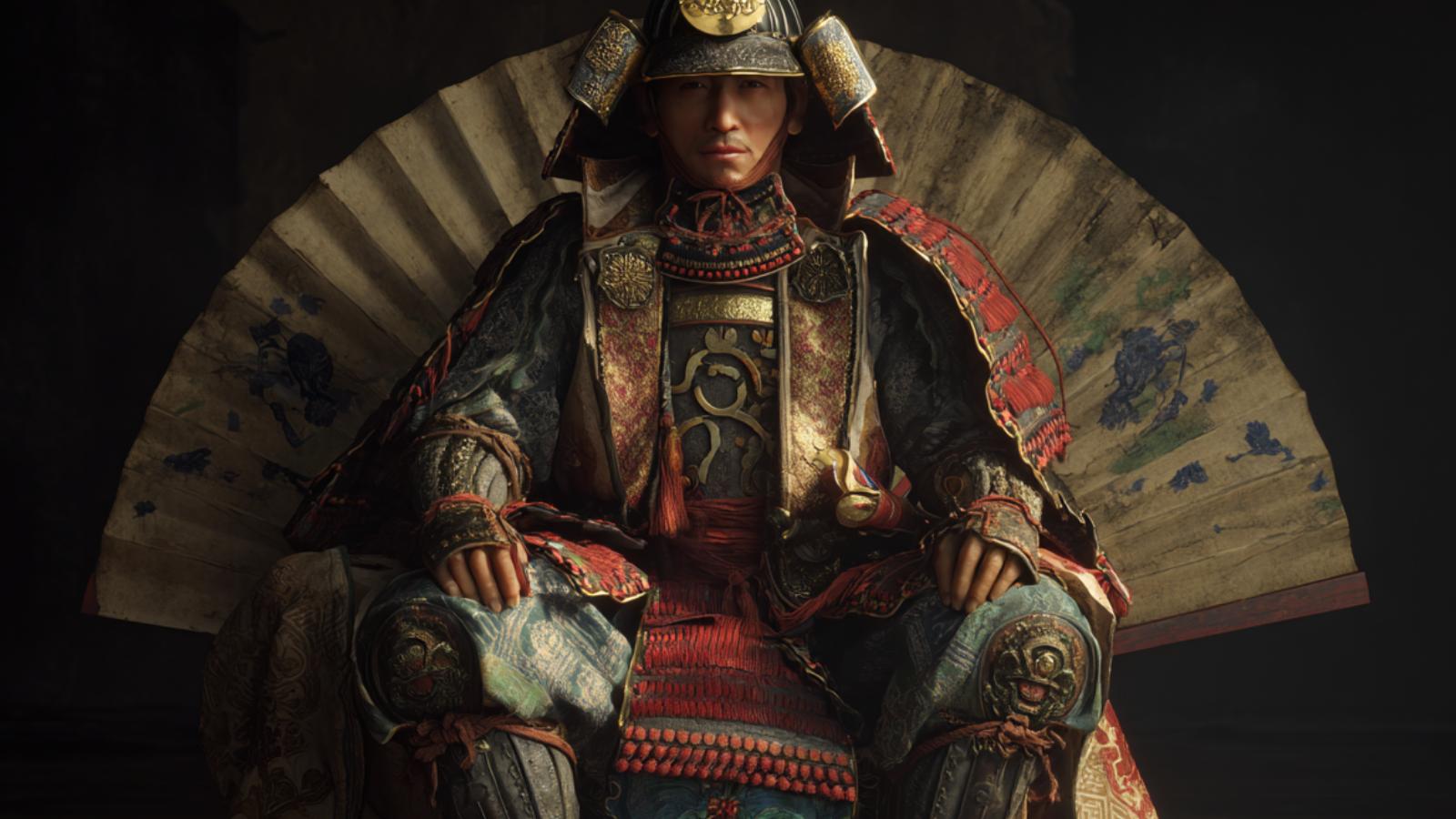
“武士は勇気を持って戦う。”
— A warrior fights with courage.

| Lead 統率 |
Valor 武勇 |
Intel 知略 |
Pol 政治 |
|---|---|---|---|
| 70 | 65 | 75 | 60 |
| Name (JP) | 益田 藤兼 |
|---|---|
| Title | Daimyo |
| Clan / Force | Unknown |
| Era | 1500 – 1577 |
| Origin | Bungo |
| Key Battles | |
| Arts | Guitar Playing |
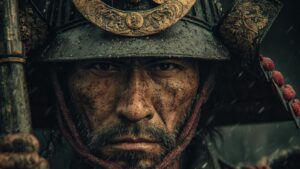
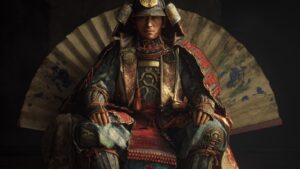
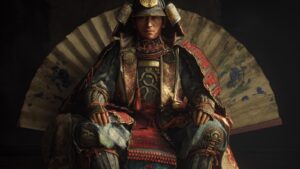
About Masuda Fujikane
From a young age, he was exposed to the art of war, training rigorously in martial arts and tactics.
His skills quickly became evident, allowing him to through the ranks of his fathers vassals.
As he matured, he understood the importance of both combat skills and strategic planning in the chaotic political landscape of the Sengoku period.
Fujikanes to prominence began in the 1530s as he aligned himself with powerful figures in the region.
He demonstrated significant tactical prowess in various skirmishes and gained favor from local lords.
By the mid-1540s, he had strengthened his domain and amassed a loyal following of samurai.
His reputation as a capable leader spread, and by the time he took on the of Daimyo, he was known for his ability to unify lesser clans under his banner.
He cultivated alliances through marriage and diplomacy, ensuring stability in his region despite the constant threat of warfare.
Fujikane participated in several notable during his reign, most prominently in conflicts against rival daimyo.
His strategic insights proved invaluable as he led his troops with a combination of valor and caution.
During the Battle of Yamazaki in 1551, he played a critical role in securing a decisive victory that bolstered his standing.
However, as the political climate shifted, he faced fierce competition from emerging powers, and his relentless spirit often put him at the precipice of conflict.
Even as adversities mounted, he remained committed to his domain, proving himself to be a resilient leader in trying times.
Masuda Fujikane passed away in 1577, leaving behind a as a capable and honorable leader.
His descendants continued to uphold the values he instilled during his lifetime, and his reputation as a strategic mind and courageous warrior endures in the annals of history.
Today, he is remembered not only for his military achievements but also for his contributions to the culture and unity of the samurai class in Japan during a tumultuous era.
comment