
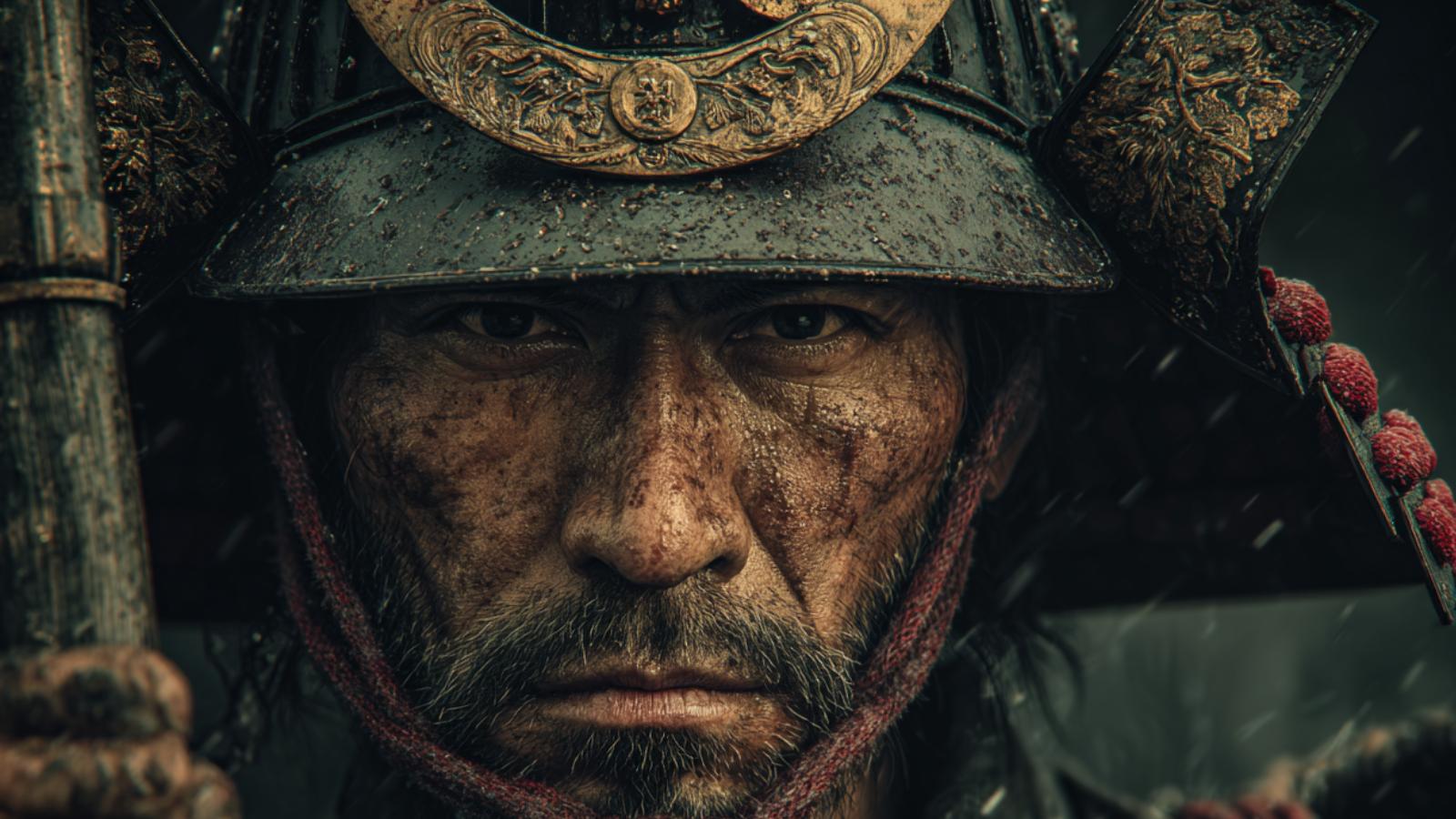
“武士道とは死ぬことと見つけたり。”
— The way of the samurai is found in death.

| Lead 統率 |
Valor 武勇 |
Intel 知略 |
Pol 政治 |
|---|---|---|---|
| 70 | 65 | 75 | 60 |
| Name (JP) | 林 就長 |
|---|---|
| Title | Samurai |
| Clan / Force | Tokugawa Shogunate |
| Era | 1522 – 1590 |
| Origin | Mikawa |
| Key Battles | |
| Arts | Calligraphy |
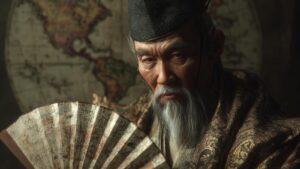
About Hayashi Narinaga
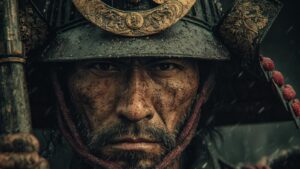
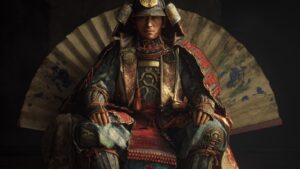
Coming from a samurai lineage, Narinaga was educated in the ways of the sword, strategy, and the arts, which were essential skills for a warrior of his time.
As he grew older, Narinaga gained recognition for his tactical prowess during multiple conflicts between rival clans.
His keen understanding of both battlefield strategies and diplomacy allowed him to navigate the complex political landscape of the Sengoku period.
Despite his abilities, he never reached the heights of some of his contemporaries, instead finding a respected role within his clan.
Throughout his career, Narinaga participated in several key, showcasing his combat skills and strategic insights.
He was often tasked with important missions to secure alliances or to reinforce troop positions, proving himself a capable leader under pressure.
Although he was not the most renowned warrior, his contributions were invaluable in maintaining his clan’s status during the chaotic years of war.
Narinagas lies primarily in his role as a stable force within his clan.
After his death in 1590, many remembered him as a dedicated samurai whose understanding of the samurai code and commitment to his lord set a standard for future generations.
His pursuit of knowledge in the arts, such as calligraphy, also highlights the ideal of the well-rounded samurai, blending martial prowess with cultural sophistication.

comment