
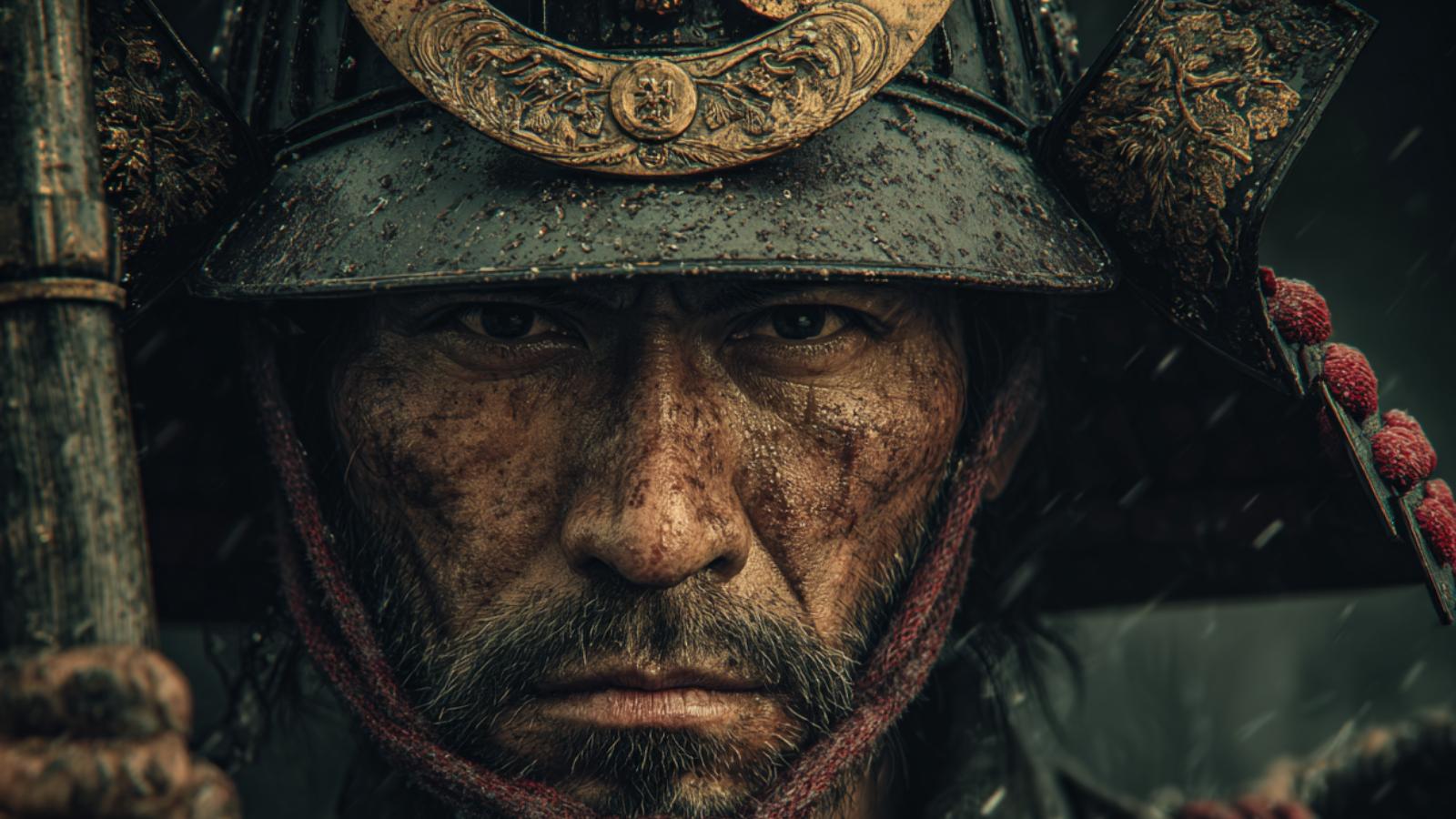
“武士の道は、名誉に満ちている。”
— The way of the warrior is filled with honor.

| Lead 統率 |
Valor 武勇 |
Intel 知略 |
Pol 政治 |
|---|---|---|---|
| 75 | 70 | 65 | 60 |
| Name (JP) | 清水 景治 |
|---|---|
| Title | Samurai |
| Clan / Force | Unknown |
| Era | 1545 – 1590 |
| Origin | Suruga |
| Key Battles | |
| Arts | Martial Arts |
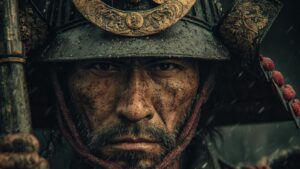
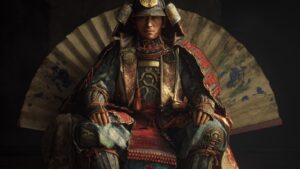
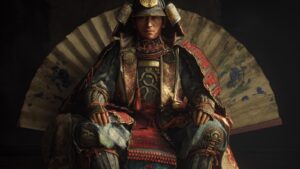
About Shimizu Kageharu
From a young age, he was steeped in the traditions of the samurai, learning the skills of combat and strategy essential for survival in the era of constant warfare.
Historians suggest that his early education in martial arts and tactics laid a strong foundation for his future endeavors on the battlefield.
With the of various warlords during the Sengoku period, Kageharu found himself in service under a prominent lord, where he quickly gained recognition for his bravery and fighting skills.
Kageharus leadership qualities began to shine as he led smaller groups of samurai into skirmishes, showcasing commendable strategies that won him several minor victories against rival clans.
Though he never achieved the status of a daimyo, his reputation as a capable samurai grew steadily.
Throughout his career, Kageharu participated in numerous, notably the conflicts against the Takeda clan and the ongoing struggles of the Imagawa clan.
While he was not a titular leader, his role as a seasoned warrior and tactical assistant earned him respect among his peers and superiors alike.
His ability to rally troops and maintain morale made him a valuable asset in crucial conflicts, playing a pivotal role in the eventual success of his forces in these regional .
Shimizu Kageharu passed away in 1590, leaving behind a of loyalty, skill, and honor among those who served alongside him.
While he may not have been the most renowned figure in samurai history, his contributions to the defense of his lords territories and his exemplary conduct on the battlefield ensured that he was remembered as a capable and respected member of the samurai class.
His story highlights the life of many lesser-known figures in Japanese history who played significant roles in the broader tapestry of the Sengoku period.
comment