
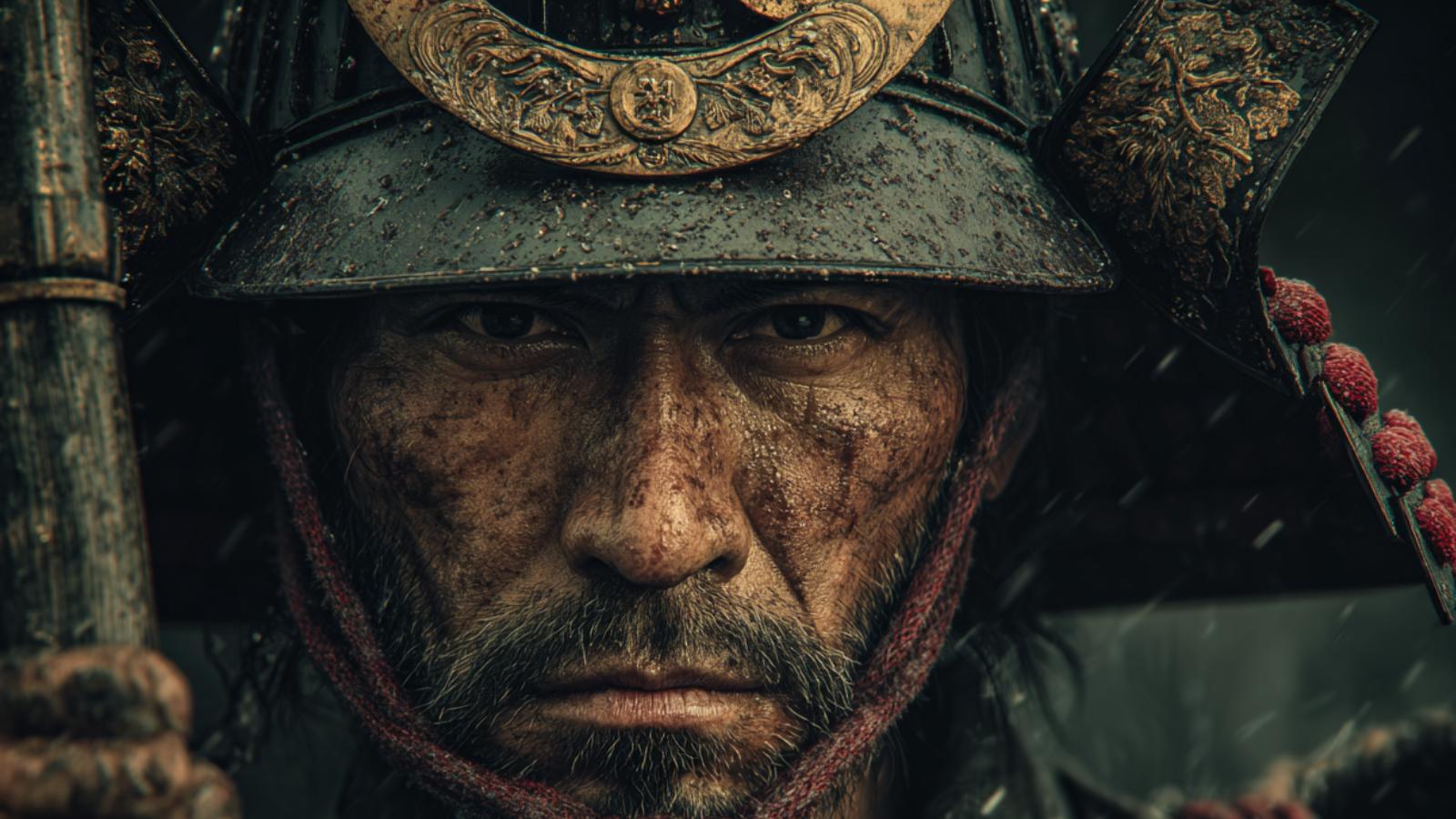
“武士の道は常に正義にあり。”
— The way of a warrior is always in righteousness.

| Lead 統率 |
Valor 武勇 |
Intel 知略 |
Pol 政治 |
|---|---|---|---|
| 70 | 65 | 75 | 60 |
| Name (JP) | 植田 孫七 |
|---|---|
| Title | Chief Retainer |
| Clan / Force | Unknown |
| Era | 1540 – 1584 |
| Origin | Mikawa |
| Key Battles | |
| Arts | Martial Arts |
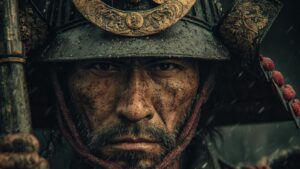
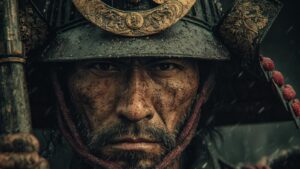
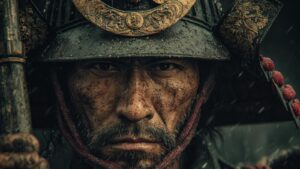
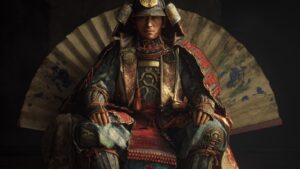
About Ueda Magoshichi
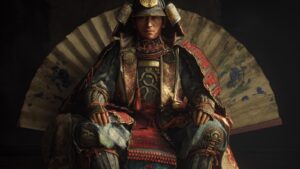
As a samurai, he was raised in a warrior culture that emphasized loyalty, discipline, and martial skills.
Coming from a samurai lineage, he was trained in the arts of combat from a young age, preparing him for the challenges that lay ahead in the turbulent Sengoku period.
As the power struggles intensified among various clans, Ueda aligned himself with the Tokugawa family, recognizing their potential for unification.
His skill with a sword and tactical acumen quickly gained the attention of his superiors.
Rising through the ranks, he became a Chief Retainer, taking on considerable responsibilities that tested his mettle both in battle and governance.
Ueda participated in several key during the late Sengoku period, demonstrating his competence as a military leader.
His contributions in skirmishes against rival clans such as the Takeda and Uesugi showcased his valor and strategic insight.
Despite not being the most renowned samurai of his time, his performance earned him respect among his peers and solidified his loyalty to the Tokugawa cause.
Ueda Magoshichi passed away in 1584, leaving behind a as a dedicated samurai who played a vital role in supporting the of the Tokugawa shogunate.
While he may not have achieved the legendary status of some of his contemporaries, his unwavering dedication to justice and his skill as a warrior continue to be remembered in the annals of Japanese history.
His philosophy—that a warriors path must always align with righteousness—resonates with the values of samurai culture that endure to this day.
comment