
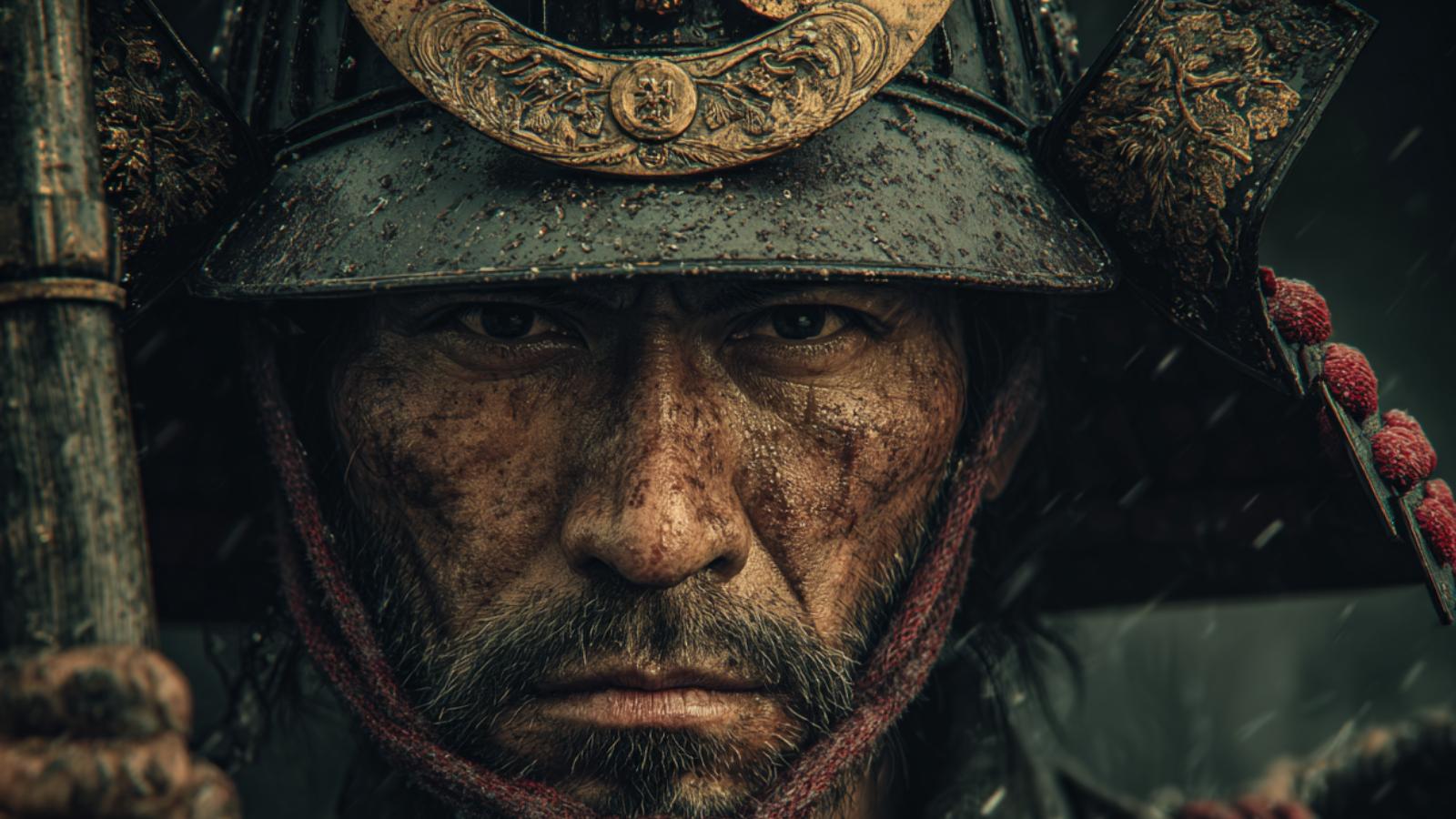
“鍛え上げた鋼は、武士の心を映す。”
— The forged steel reflects the heart of a samurai.

| Lead 統率 |
Valor 武勇 |
Intel 知略 |
Pol 政治 |
|---|---|---|---|
| 72 | 68 | 75 | 60 |
| Name (JP) | 寺本 生鉄 |
|---|---|
| Title | Samurai |
| Clan / Force | Unknown |
| Era | 1560 – 1624 |
| Origin | Yamato |
| Key Battles | |
| Arts | Calligraphy |
About Teramoto Seishin
From a young age, he was exposed to the arts of war and the principles of bushido.
His father, a minor retainer of a local daimyo, instilled in him the values of loyalty and honor.
Seishin displayed an exceptional aptitude for martial arts and strategy, which would later define his career.
As Seishin grew older, he began to make a name for himself as a capable warrior under the service of his lord.
During the tumultuous times of the late Sengoku period, he participated in several skirmishes and, earning the respect of his peers and superiors.
His leadership skills began to surface when he successfully led a small contingent in a surp attack against a rival clan, a maneuver that showcased both his audacity and strategic mind.
Seishins military career saw him involved in numerous significant throughout the late 16th century.
He fought valiantly at the side of renowned generals, where he honed his skills in the chaos of battle.
Known for his valor and tactical prowess, he earned the nickname the Resolute Blade among the samurai circles.
Despite facing overwhelming odds, his contributions during the Siege of Osaka solidified his reputation as a reliable retainer.
After the turmoil of the Sengoku period subsided, Seishin continued to serve his lord with unwavering loyalty.
Beyond the battlefield, he took an interest in the arts, particularly calligraphy, where he expressed his inner thoughts and philosophies.
His teachings and principles would influence many younger samurai who sought to understand the deeper meanings of bushido.
Teramoto Seishin passed away in 1624, leaving behind a of honor, strength, and artistry that would be remembered for generations to come.









comment