

“勝利は努力の先にある。”
— Victory lies beyond effort.

| Lead 統率 |
Valor 武勇 |
Intel 知略 |
Pol 政治 |
|---|---|---|---|
| 75 | 70 | 68 | 65 |
| Name (JP) | 小野寺 輝道 |
|---|---|
| Title | Daimyo |
| Clan / Force | Unknown |
| Era | 1544 – 1614 |
| Origin | Mutsu |
| Key Battles | |
| Arts | Noh Theatre |
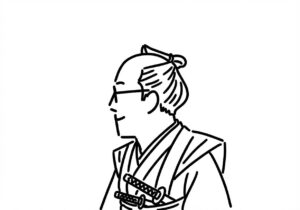
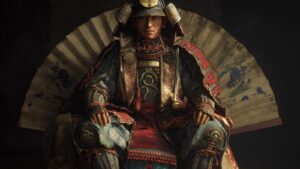
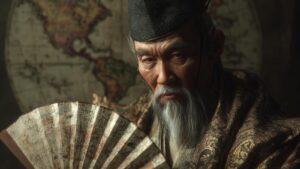
About Onodera Terumichi
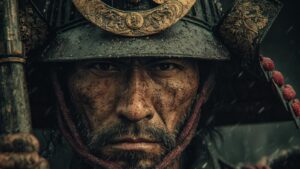
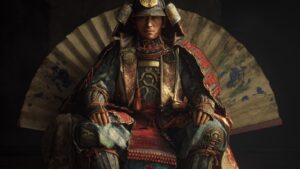
As a member of the Onodera clan, which held a significant position in the local hierarchy, Terumichi was groomed for leadership from a young age.
The clans noble lineage, tracing back to regional shugo, provided him with both military and political education from the very beginning of his life.
Terumichi’s in power came during the weakening of the Ashikaga shogunate.
Aligning himself with notable figures in the region, he intricately navigated the complex political landscape of feudal Japan.
His leadership skills were recognized as he successfully managed to consolidate power in Mutsu, gaining loyalty from his retainers and several smaller clans.
His ability to lead was underscored by his participation in various campaigns, showcasing a commendable strategy in securing victories for his faction.
Throughout his military career, Terumichi was involved in several significant confrontations that marked the latter half of the Sengoku period.
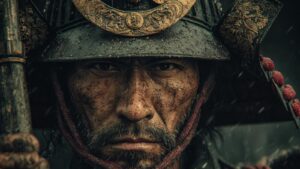
Known for his valor on the battlefield, he often led from the front, earning respect among his peers.
His strategies were not always conventional; he employed both guerrilla tactics and direct confrontations, adapting his approaches based on the enemies he faced.
Despite facing many challenges, including betrayals and alliances forming against him, Terumichis tactical acumen kept him relevant in the dynamic power struggles of the time.
Onodera Terumichis is one of tactical intelligence, bravery, and political sagacity.
Although he may not have reached the legendary status of figures like Oda Nobunaga, his contributions during a critical time in Japanese history are remembered by historians.
His ability to command respect and maintain his daimyoship amid the constant warfare of the Sengoku period illustrates his resilience as a leader and a warrior.
Today, Terumichis story serves as an inspiration, representing the enduring spirit of the samurai and the complexities of loyalty in feudal Japan.
comment