
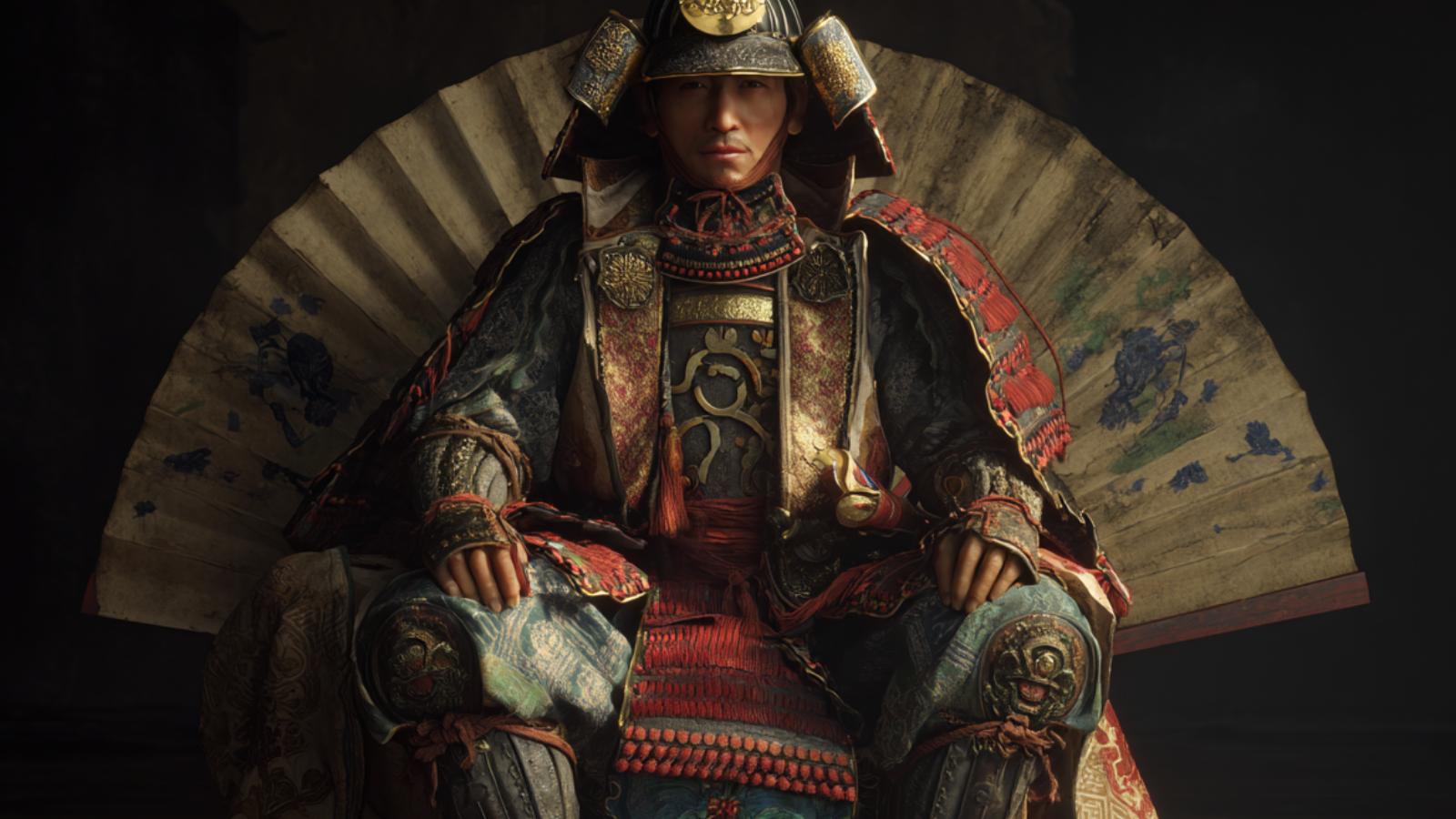
“武士の道は、名誉と忠義をもって歩むべきです。”
— The path of a warrior should be walked with honor and loyalty.

| Lead 統率 |
Valor 武勇 |
Intel 知略 |
Pol 政治 |
|---|---|---|---|
| 70 | 65 | 75 | 60 |
| Name (JP) | 宗 貞盛 |
|---|---|
| Title | Daimyo |
| Clan / Force | Minamoto Clan |
| Era | 1530 – 1600 |
| Origin | Mutsu |
| Key Battles | |
| Arts | Calligraphy |
About So Sadamori
His upbringing was steeped in samurai tradition, emphasizing both martial skills and the importance of loyalty and honor in the service of a lord.
Sadamori rose to prominence during the chaotic Sengoku period, a time characterized by near-constant military conflict.
He became a retainer for the powerful daimyō Date Masamune and quickly distinguished himself through acts of valor on the battlefield and shrewd tactical maneuvers.
His reputation grew as he participated in numerous campaigns to expand and secure the Date territory, solidifying his status as a capable leader among his peers.
Throughout his career, Sadamori fought in several key, showcasing his strategic mindset and capable leadership skills.
He was instrumental in the defense and subsequent victories during the numerous conflicts that pitted the Date clan against rival daimyōs in the region.
His courage and tenacity in dire situations earned him admiration from his men and fear from his adversaries.
So Sadamori passed away in 1600 at the close of the Sengoku period, leaving behind a defined by loyalty, bravery, and strategic prowess.
His contributions to the Date clan helped lay the groundwork for the eventual unification of Japan under the Tokugawa shogunate, marking him as an important figure in the history of the samurai class.








comment