
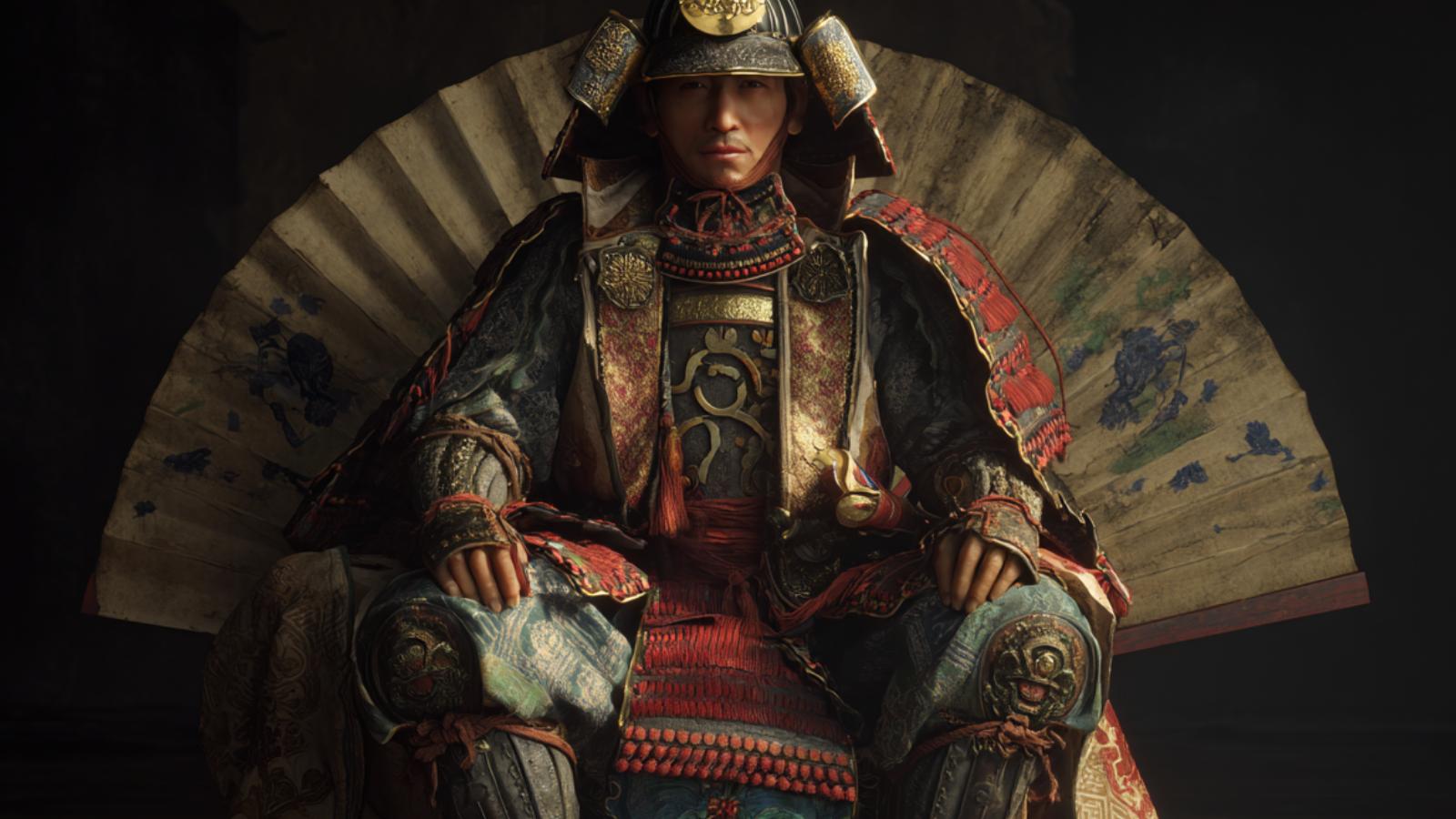
“武士の誇りは、胆力にて計られる。”
— A samurai’s pride is measured by his courage.

| Lead 統率 |
Valor 武勇 |
Intel 知略 |
Pol 政治 |
|---|---|---|---|
| 68 | 75 | 72 | 60 |
| Name (JP) | 少弐 冬尚 |
|---|---|
| Title | Daimyo |
| Clan / Force | Hōjō Clan |
| Era | 1567 – 1638 |
| Origin | Chikuzen |
| Key Battles | |
| Arts | Martial Arts |
About Shoni Fuyuhisa
He belonged to the Shugo lineage, a respected samurai family that played a significant role in the local governance.
From a young age, Fuyuhisa was trained in the ways of the sword and the arts of war, dedicating himself to the samurai code of honor and loyalty.
His upbringing in a warrior family instilled in him a deep sense of duty and courage, setting the foundation for his future as a capable general.
As the Sengoku period saw numerous conflicts and the emergence of powerful clans, Fuyuhisa quickly carved out his reputation on the battlefield.
His leadership during skirmishes against rival clans earned him respect among his peers and loyalty from his retainers.
By the late 1580s, Fuyuhisa rose to the status of Daimyo, overseeing territories in Chikuzen and wielding significant influence in the region.
His strategic thinking and valor during contributed to securing his familys standing amidst the chaotic political landscape.
Fuyuhisa participated in several key during his tenure as a daimyo, showcasing his ability to command troops effectively.
His most notable engagements include skirmishes against the Shimazu clan, where his tactical maneuvers and personal valor on the battlefield were evident.
While not achieving legendary status like some of his contemporaries, Fuyuhisas capabilities as a general were respected, and he was regarded as a capable leader, known for his martial prowess and determined spirit.
Shoni Fuyuhisa’s endures in Chikuzen, where he is remembered not just as a warrior, but also as a man of principle.
Although overshadowed by more prominent figures of his time, Fuyuhisas commitment to the samurai ethos and his contributions to military strategies remain part of the local history.
His life and actions reflect the turbulent times of the Sengoku period and the qualities that defined the samurai class.









comment