
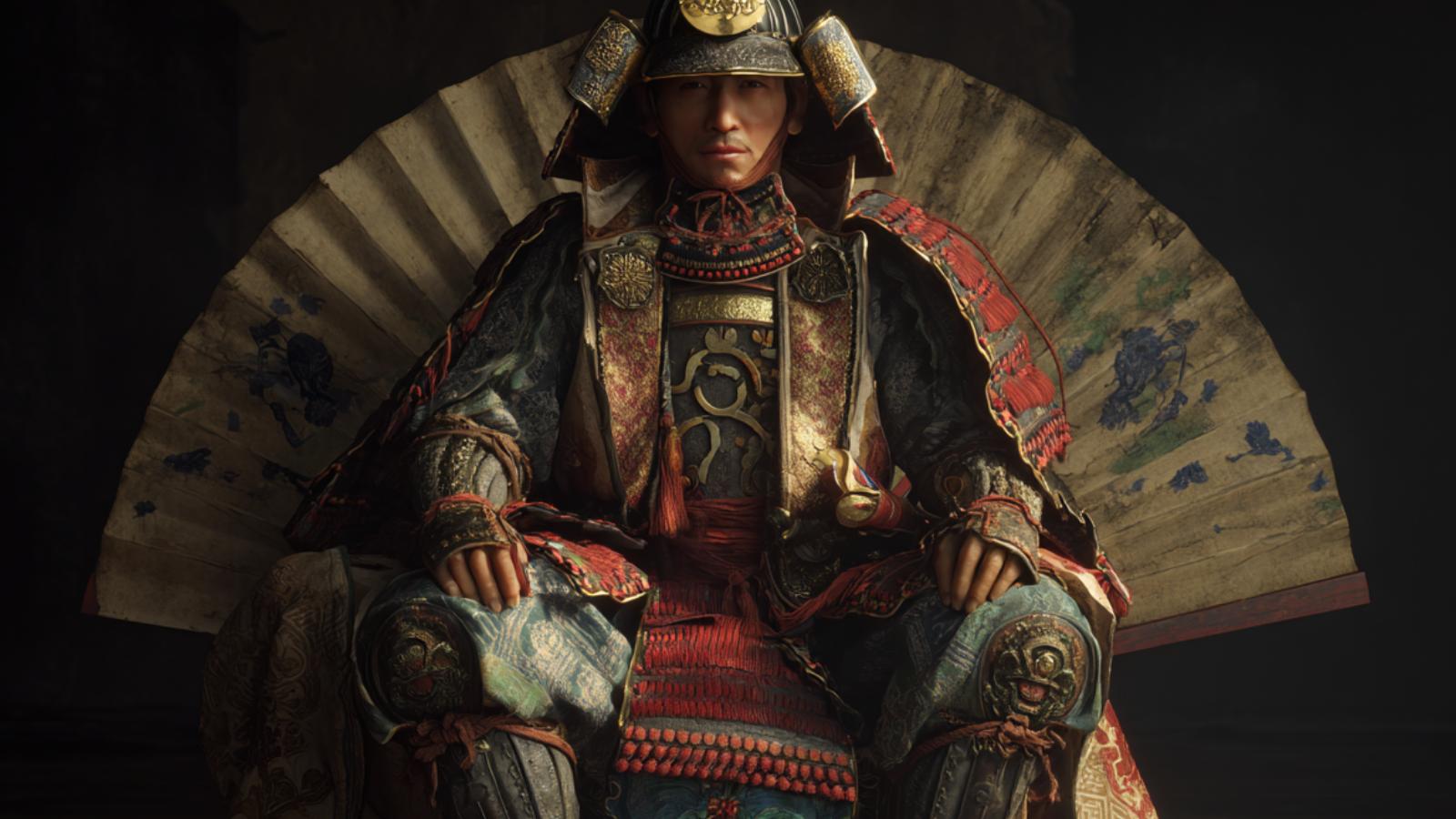
“真の武士は、名誉を重んじ、忠義を貫く者である。”
— A true samurai values honor and upholds loyalty.

| Lead 統率 |
Valor 武勇 |
Intel 知略 |
Pol 政治 |
|---|---|---|---|
| 72 | 70 | 68 | 61 |
| Name (JP) | 北郷 忠能 |
|---|---|
| Title | Daimyo |
| Clan / Force | Unknown |
| Era | 1532 – 1586 |
| Origin | Kōzuke |
| Key Battles | |
| Arts | Martial Arts |
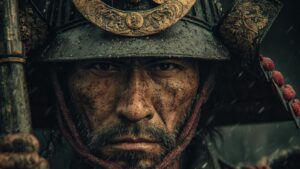
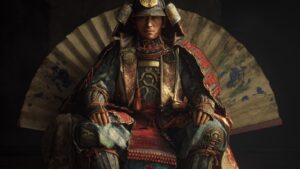
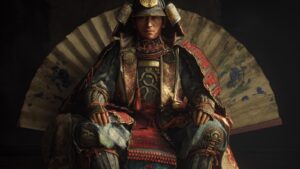
About Hongo Tadayoshi
His upbringing as a samurai instilled in him the ideals of honor and loyalty that would define his character throughout his life.
From a young age, he was trained in martial arts and strategy, laying the foundation for his future as a capable leader.
During the turbulent times of the Sengoku period, Tadayoshi rose through the ranks as a retainer for the powerful Takeda clan.
He participated in various campaigns, showcasing his skills in both military strategy and personal combat.
His ability to command troops effectively earned him respect among peers and subordinates alike.
In the years leading to the unification of Japan, he managed to secure his own fief and was awarded the of daimyo as a recognition of his contributions to the Takeda clans efforts.
Tadayoshi fought in several key, including the notorious against the Uesugi clan.
Though not as renowned as some of his contemporaries, he often played a crucial supporting role that helped turn the tide in critical engagements.
His valor on the battlefield earned him a reputation as a steadfast warrior, reinforcing his place in the samurai hierarchy of the period.
He was hailed not only for his combat prowess but also for his strategic thinking, often advising on important military decisions during campaigns.
Despite not achieving the legendary status of his contemporaries like Oda Nobunaga or Tokugawa Ieyasu, Hongo Tadayoshi left a lasting as a loyal samurai and a capable leader.
His contributions during the Sengoku period were integral to the consolidation of power that marked the eventual unification of Japan.
His values, emphasizing honor and loyalty, serve as ideals for future generations of samurai and remain an essential part of Japanese warrior culture.
comment