
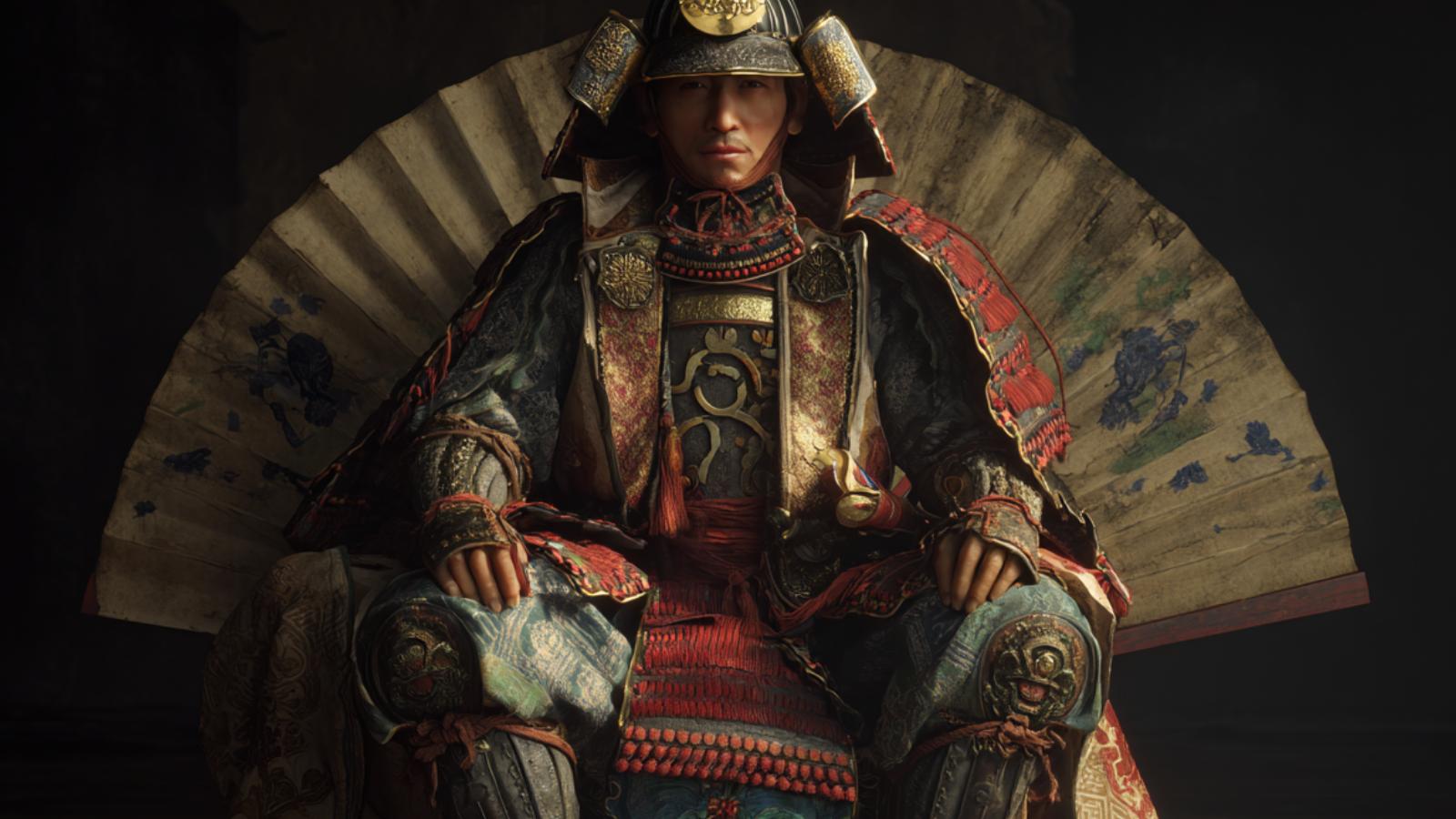
“勇気を持って前に進もう。”
— Let us move forward with courage.

| Lead 統率 |
Valor 武勇 |
Intel 知略 |
Pol 政治 |
|---|---|---|---|
| 75 | 70 | 80 | 65 |
| Name (JP) | 島津 久永 |
|---|---|
| Title | Daimyo |
| Clan / Force | Shimazu Clan |
| Era | 1560 – 1621 |
| Origin | Satsuma |
| Key Battles | |
| Arts | Japanese Calligraphy |
About Shimazu Hisanaga
As a son of a notable daimyo, he was groomed from a young age in the arts of governance and warfare.
The dynamics of power during this time inevitably influenced Hisanaga as he witnessed the and fall of various clans and leaders, shaping his perspectives on strategy and loyalty.
With the death of his father, Hisanaga assumed leadership of his domain and focused on consolidating power within the region.
His strategic acumen came to the forefront during the confrontations with rival clans, where he showcased his ability to orchestrate complex battle formations and skillfully navigate the delicate realm of politics in feudal Japan.
His commitment to the clans interests and adeptness at forming valuable alliances would solidify his position among the great leaders of his time.
Hisanaga participated in several key during the late Sengoku period, including conflicts against the powerful Toyotomi forces.
His tactics often involved clever use of terrain and psychological warfare.
Despite facing overwhelming odds, he consistently impressed his men and commanders with his courage and tactical foresight, leading to meaningful victories that increased his clans standing.
His reputation as a fierce warrior was bolstered by the loyalty he inspired among his troops and the respect he earned even from his adversaries.
Shimazu Hisanaga remains a pivotal figure in the history of the Shimazu clan and the larger narrative of Japan’s unification.
His approach to governance following the establishment of the Tokugawa shogunate reflects a balanced understanding of military and political strategies, which continued to influence Satsuma’s role in subsequent historical developments.
His is preserved, remembered for both his military prowess and his philosophical contributions to warfare and governance.









comment